It has been a very long year in so many ways. Organisations have had to transform both what they do and how they do it. We have asked a lot of people and they have responded with commitment and determination.
One of the most significant shifts has been the requirement for people to work from home. But not the sort of working from home that we used to savour for focused report writing and the like – working from home in a pandemic in a multitude of different environments and conditions.
It has been challenging for everyone, but for some, it has been easier than others. It is important to remember that, for some people in abusive relationships, that their homes are physically and emotionally unsafe. For others in shared housing, space is limited and their work set up is not conducive to good health.
Working became very different for everybody. From young children pottering into view, to cats tapping across the keyboard, and partners making lunch in the background – we see more of one another’s lives beyond work, through the lens of virtual video-conferencing.

While some of us may be healthier and happier working from home, for others, the experience has been challenging. The COVID-19 pandemic has created social, economic, and health uncertainties and insecurities – and exacerbated inequalities for many. New research from Mental Health First Aid (MHFA) England, conducted with over 2,000 employees, found stark differences in their experiences.
During the pandemic, 1 in 4 (25 per cent) employees say they’ve had no wellbeing check-ins from their workplace and almost a third (29 per cent) of workers never discuss mental health in meetings with their line manager. Although a third (32 per cent) of employees say mental health and wellbeing support has improved, many organisations are still falling short.
The role of employers
Mental ill health already costs employers £2.4 billion per year and, despite warnings of a national mental health crisis owing to COVID-19, many employers have failed to increase support for workers. It is estimated that we spend a third of our lives at work so employers are key to creating a society where everyone’s mental health matters.
More people than ever need mental health and wellbeing support. Employers can help by driving a positive transformation in workplace mental health and performance through bringing together diversity and inclusion with health and wellbeing.
Encourage regular wellbeing check ins
Regular wellbeing catch-ups with colleagues are a vital way to support people’s mental health, especially during the pandemic and while some of us continue to work remotely. The My Whole Self MOT is a simple, free tool to help employees check in on their own and others’ mental health and wellbeing.
Employers can share the MOT with teams, and line managers can use the questions outlined to help start a conversation about mental health during one-to-one sessions. Creating a safe space for staff to speak openly about wellbeing will help those in need to ask for support if they are experiencing issues such as poor mental health or struggling to manage their work-life balance. Wherever you are working from, feeling supported to choose to bring your whole self to work is better for wellbeing and better for business.
Healthy habits are important
Senior leaders should role model healthy working from home habits and behaviours. Many of us perhaps thought that working from home would be a short-term experience, so have not really considered how our habits may be affecting our long-term physical and mental health.
A year on, as remote and flexible working looks set to continue for many, employers should continue to encourage team members to evaluate their working day. For example, video calls have become the new norm but perhaps try having a regular phone call or a ‘walk and talk’ meeting instead of being on camera all day, which can be tiring. At MHFA England we have created guidance on supporting your mental health while working from home.
Maintaining human connections
Make sure you keep communication open with your team, as often and frequently as possible. Making the time to socialise with people from across the organisation can help people see the bigger picture, stay connected, and boost morale. You could arrange coffee mornings, a Friday ‘happy hour’, or try a new activity such as a Desert Island Favourites team competition.
Flexible and hybrid working
As lockdown measures begin to ease, employers must demonstrate the same trust in their teams as we have shown over the past year and continue to offer flexible working arrangements where possible to retain the best talent and support wellbeing.
Whilst this will not be possible for everyone, many people will be looking for employers that can offer the best freedoms and flexibilities built on trust. This may mean allowing staff to work flexible hours in the working day or to splitting their time between home and the office to suit their needs.
Flexible working arrangements can help employees to better plan their working weeks and feel confident they can adjust their working hours if responsibilities change. Employers need to engage, consult and review with staff every step of the way, making the framework for flexible working clear, and talking to individual employees about what works best for them.

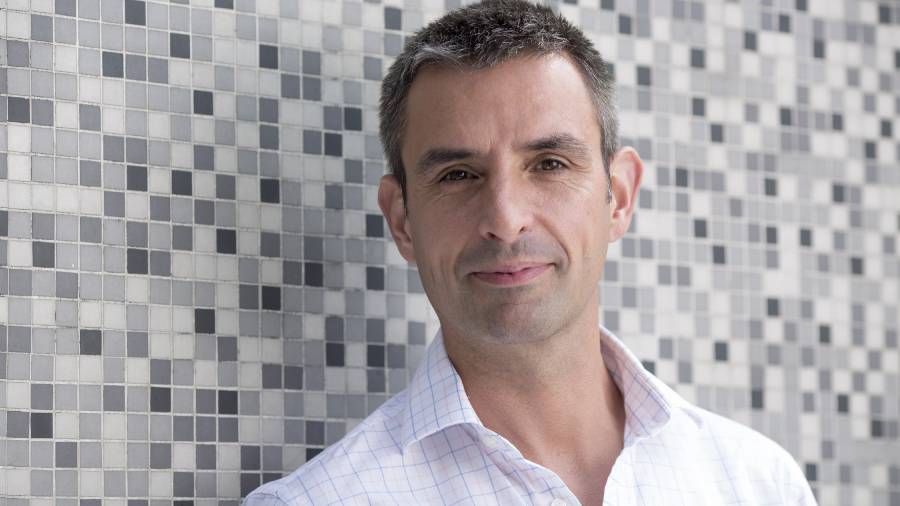
Simon Blake OBE, is the Chief Executive of Mental Health First Aid (MHFA) England which offers expert workplace guidance and training to support people’s mental health.
- Simon Blake

- Simon Blake
- Simon Blake
- Simon Blake