
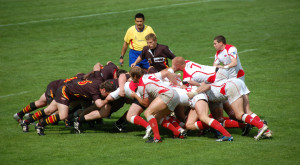
With the Rugby World Cup in full swing, head coach Eddie Jones has got the England team fighting fit and ready to tackle whatever comes their way. And with motivation and camaraderie key to their success on the pitch, managers could certainly learn from Eddie’s ability to form a strong team that works well together.
Know your staff
Any coach worth their weight in gold will know their team inside out, playing to their individual strengths. The same goes for businesses – managers should take the time to get to know their team really well. This means understanding what makes them tick, what’s important to them, what their ambitions are, as well as what frustrates them.
By knowing each employee’s strengths and weaknesses, managers can help them map out what individual success looks like and build it into the overall team objectives.

No one wants to feel like just another cog in the machine. Encouraging staff to work on what they’re passionate about will keep them feeling motivated and building the team around individual strengths will not only boost morale, but lead to a more engaged, productive workforce.
Motivation matters
We all have days or weeks where nothing seems to go right, whether that’s on the pitch or in the workplace. And while it probably won’t include yelling words of encouragement from the sidelines, managers need to be able to inspire and motivate their staff.
Sports stars are motivated by the love of the game and managers need to work out what their workplace equivalent is. Each of us has something that motivates us and it’s down to managers to understand what that is and put it into practice.
If an employee loves to work towards a specific, short-term goal, managers should help put those in place to keep them satisfied. If an employee wants greater autonomy, give them a project to tackle without constantly looking over their shoulder.
This is where communication is so important – without employees understanding or caring about what they’re working towards, it can be tough to stay on task.
Star players
This is a huge part of the England team’s success – every player is great at what they do individually and they all have faith and trust in each other. There’s no pressure on one person to carry the rest and that’s what makes them such a strong team.
Similarly, businesses should avoid the temptation to rely on one or two workers who always do a stellar job to get the task done.
In the long term, it’s better to build a business where everyone plays to their own strengths. That way, each person will be just as strong as the next, bringing their own star quality to the team.
We all need to feel a sense of purpose to feel happy and teams that value every employee’s contribution will be better and stronger for it. What’s more, managers will have the added bonus of avoiding burnout or resentment.
Leadership goes a long way
It takes a coach’s leadership and direction to create a winning team. Having a strong leader in the workplace is just as important in keeping everyone motivated and striving for success.
Great leaders have the power to really bring out the best behaviours in their people and it’s little wonder. When people look up to someone, they’ll be more influenced by them and likely to mimic their habits. In other words, inspiring and positive managers will incentivise teams to fulfill tasks to the best of their ability.
It goes without saying that communication and great leadership go hand in hand. Being clear on objectives and goals, and encouraging two-way communication, will make sure everyone’s expectations are managed. It may not always be as obvious as winning the World Cup, but having clarity from senior leaders can go a long way to building a stronger, more motivated team.
The common goal
Let’s be honest, no one wants a rugby team running around like headless chickens, not knowing which direction they’re supposed to be going. If everyone has the same common goal and can resonate with that goal, it’ll make it a hundred times easier to achieve.
This comes back to motivation – great HR managers understand that each staff member is motivated by different factors but working these into reaching a common goal is what makes a successful team.
Building a strong team is about more than just finding good people. Everyone needs to work together and sing from the same hymn sheet. If every team member can feel motivated and satisfied in their role, as well as loyal to the company and overall goal, the sense of camaraderie and team spirit will go through the roof.
Ultimately, making sure employees are motivated, engaged and giving their best takes time and effort. Just like Eddie Jones, managers who want to create a winning team can’t afford to take their eye off the ball.

Jamie has been with Sodexo Engage since 2013 and is responsible for the company strategy, proposition development, brand management and communications. He brings over 13 years of business and consumer marketing experience in senior roles within blue chip organisations. Jamie is also an advocate for diversity and inclusion at work and has spoken frequently about the ways to create a positive workplace culture.
- Jamie Mackenzie

- Jamie Mackenzie