

As International Women’s Day approaches, businesses across the globe will be taking part in vital conversations — both externally and internally — about the collective progress we’ve made and the essential work that still needs to be done to create an equitable workplace for women.
Embracing an inclusive working culture is beneficial to everyone and a non-negotiable to drive sustainable business growth.
I’ve worked in HR for over two decades, including roles at global corporations like GAP and Starbucks, and I’ve spent the last five years leading the HR and Training organisation as Vice President of HR at Wall Street English. Throughout my career, I’ve witnessed first-hand the truly transformative impact of inclusive leadership.
Building an inclusive workplace culture
In a global business where understanding cultural differences is essential to our success, inclusive leadership is an absolute necessity. Our support team, based in Barcelona, includes 22 nationalities and 19 languages, making it a workforce richly diverse in geography, age, background, and gender. We ensure that all of these different people feel welcomed and respected to maintain a positive working environment and use these varied perspectives to inform our business decisions.

Inclusivity has to be present across every aspect of your business to make an impact. Rather than enforcing a one-size-fits-all approach, HR leaders must establish core values that resonate with every culture, while leaving space for unique perspectives and interpretations in how they’re expressed.
Embedding inclusivity in everyday practices
For us, that starts with the franchisee onboarding process. We’ve designed standardised, systematic training through self-access onboarding modules that cover who we are, what we do, and why we do it. This ensures that every new franchisee has access to the same knowledge and begins on a level playing field no matter where they are in the world.
We’ve been scaling training by introducing a Learning Management System (LMS), with 98% adoption across all territories. It provides onboarding learning paths and offers a reporting function for our franchisees locally on training completion rates. We make this as accessible as possible by introducing auto translations and experimenting with local language customisation for those with lower levels of English.
We also weave inclusivity into our everyday practices with our core team. This can be as simple as encouraging the food lovers on our teams to share their favourite local recipes or hosting an internal event to celebrate key cultural moments in the calendar. The focus must always be on making your employees feel safe and supported in sharing their own cultures.
Inclusivity is more far-reaching than these smaller actions. You need to create a working culture where everyone believes they can strive for leadership positions, whatever their background. As a brown woman in an executive position, I’m keenly aware of the importance of diversity at every level so that every employee sees themselves represented at the top and can aspire to achieve similar growth.
On a personal note, witnessing what is occurring around Diversity and Inclusion policy and practises internationally, is difficult to watch. In my 20+ years in International HR, I’ve had zero line managers who also happened to be a person of colour. I had to myself become a representation of what I really wanted to see throughout my career. Representation matters, particularly to those who aren’t represented.
Turning words into actions
This year’s International Women’s Day theme is #AccelerateAction which means you need to make sure your inclusivity doesn’t begin and end with words. Seek out opportunities to learn from different working styles and personality types, such as introversion or extroversion preferences, and use this diversity of thought to challenge and improve your current approach to leadership.
At Wall Street English, internships are key for us to bring fresh talent into our organisation. As well as addressing our talent needs, these internships help us welcome diverse skillsets and backgrounds into the business. Mentorship is also a major aspect of inclusion in the workplace, as it offers employees the opportunity to get one-to-one support and guidance from someone they can connect with on a personal level, breaking down cultural barriers to create a more well-rounded workforce.
Creating lasting change
There’s no easy recipe to build an inclusive work culture, but you need to get the foundations right. Focus on creating a shared culture within your business that celebrates diversity, ensure you have strong cross-cultural communication, and prioritise representation within your leadership.
We have made good progress but still have more to do on this front. Inclusive policies and practices need to be at the forefront of your leadership every single day.
Particularly if you are building a business globally, across different languages, timezones, cultures and ways of working. This way, HR leaders can create unified teams that span borders and cultures, ultimately scaling businesses responsibility and therefore sustainably.

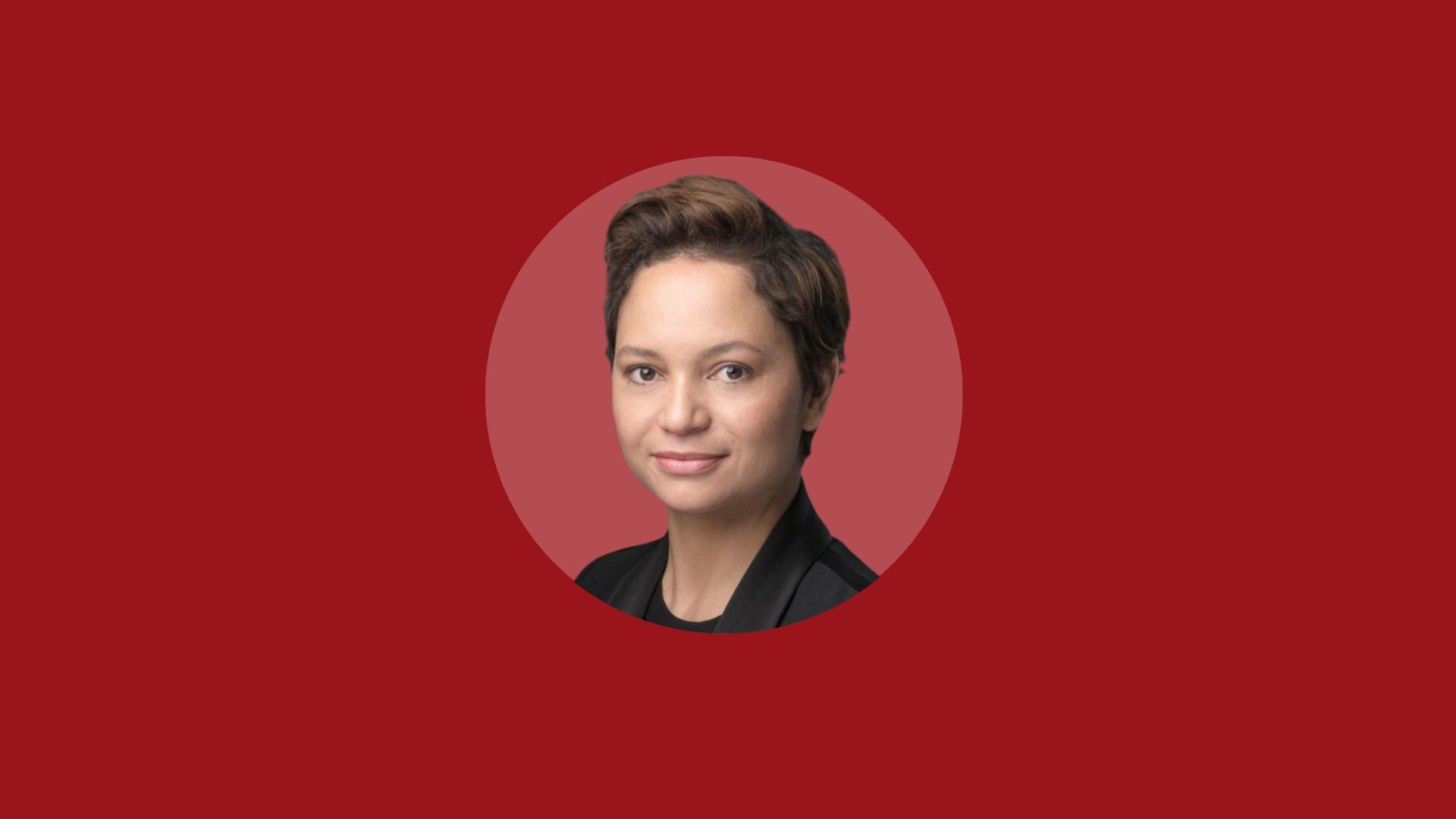
In 2019, Tessa Boshoff was appointed Vice President of Human Resources at Wall Street English, a leading global hybrid provider of English language training. She has since been responsible for defining and implementing human resource strategies to maintain the diverse culture that spans 35 territories. Her previous HR management roles notably include The Body Shop International, Restaurant Associates, Goldman Sachs, and Karen Millen.





