Employers should agree any flexibility for England’s overnight World Cup last-16 match against Mexico in advance after the government approved 5am pub opening for supporters, and avoid assumptions that special arrangements will automatically be available, the Chartered Institute of Personnel and Development (CIPD) has said.
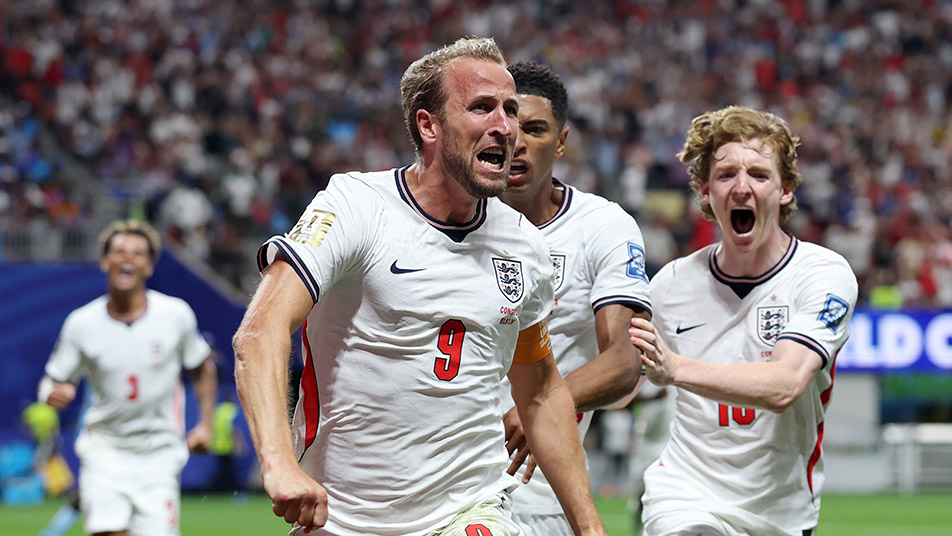
England booked their place in the last 16 after coming from behind to beat the Democratic Republic of the Congo 2-1 on Wednesday evening, with captain Harry Kane scoring twice in the final 15 minutes. The match kicks off at 1am UK time on Monday and the government has confirmed pubs in England and Wales will be allowed to remain open until 5am, meaning some supporters may head straight into the working day after watching the game.
The CIPD said employers did not have to make special arrangements around World Cup matches, but some might be flexible where practical. David D’Souza, director of profession at the CIPD, said employers and employees should use the days before the match to clarify matters.
“Employers are under no obligation to make special arrangements around World Cup matches. However some may choose to offer flexibility where this works for the business and does not impact performance. The key is setting clear expectations ahead of time.”

Plan ahead to avoid disruption
Unlike evening fixtures that finish before midnight, England’s match against Mexico is scheduled to end in the early hours of Monday morning and could run even later if it goes to extra time or penalties.
The CIPD said discussing arrangements beforehand would help employers avoid uncertainty around lateness, annual leave requests or reduced productivity caused by employees staying up to watch the game.
Among the options organisations could consider are approving annual leave, allowing colleagues to swap shifts, adjusting working hours, permitting employees to make up lost time later or allowing staff to work from home where appropriate. In some workplaces, employers may also choose to show the match on site.
D’Souza said any flexibility should be agreed before kick-off rather than being dealt with on the morning after the game.
“Any flexibility should be agreed in advance, applied fairly and balanced with business needs. Employees should not assume arrangements will automatically be available.”
Fairness remains essential
The CIPD also warned employers to apply any flexibility consistently so that staff who are not interested in football, support other teams or are unable to change their working hours are not treated less favourably.
Clear communication, it said, would help manage expectations and reduce the risk of disagreements between managers and employees.
With several days before the match, the professional body said organisations had time to discuss requests and agree practical solutions that balanced employee wellbeing with operational needs.
The guidance comes as millions of supporters are expected to stay up to watch England attempt to reach the World Cup quarter-finals, with the unusual overnight kick-off presenting employers with a challenge not normally associated with major international tournaments.
Legal guidance for employers
Employment lawyers also urged employers to plan ahead and apply any approach consistently, warning against making assumptions about staff who are absent after the match.
Nicole Humphreys, a partner at law firm Mayo Wynne Baxter, told HRreview that employers should expect tired staff, late starts and last-minute absence requests following England’s overnight fixture.
“There is no automatic right to take short-notice time off for a football match, and many employers will have policies setting out how holiday should be booked,” Humphreys said.
“Where there is no policy, employees should usually give notice of at least twice the length of the time off they are requesting.”
She also warned employers not to assume that anyone calling in sick after the match was abusing sickness absence procedures.
“If employees call in sick after the match, employers should avoid jumping to conclusions. Suspected abuse of sickness absence should be treated as a potential conduct issue, not assumed from the outset.”
Humphreys said routine, non-accusatory return-to-work meetings could help employers establish the reason for an absence, assess whether the employee was fit to return and identify any recurring patterns around major sporting events.
“If there is no valid reason for the absence, it may become a misconduct issue, but employers must still follow a fair process, including investigating, holding a hearing, allowing the employee to be accompanied and giving a right of appeal.”
She added that flexibility could often produce a better outcome than taking a hard-line approach.
“In reality, the World Cup is an exciting moment for many employees, and a little flexibility may do more for morale than a hard-line approach. Employers could consider late starts, shift swaps, short-notice holiday requests or allowing staff to watch coverage at work where practical.
“However, any approach should be applied fairly. Not everyone follows football, so employers should avoid perks that only benefit one group unless equivalent flexibility is available to others.”
Humphreys also suggested that employers introduce a short World Cup protocol setting out how leave requests would be handled, expectations around punctuality and attendance, rules on streaming matches at work and standards of conduct relating to alcohol and social media.
Meanwhile, Elizabeth Maxwell, a senior associate solicitor at law firm Morr & Co, echoed the call for employers to communicate expectations before kick-off.
“Employees don’t have an automatic right to take annual leave at short notice simply because there’s a major sporting event. Any request still needs to be approved in line with the employer’s normal holiday policy and the Working Time Regulations.”
She said employers should investigate any concerns fairly if an employee called in sick after the match, rather than assuming the absence was linked to the football.
“The best approach is to plan ahead. Employers should remind staff about leave procedures, set expectations early and, where practical, consider flexible arrangements such as later start times, home working or allowing employees to make up the hours.
“A pragmatic and consistent approach can help employers avoid unnecessary conflict while still maintaining fairness across the workforce. Trying to accommodate genuine requests where possible is often a better outcome than dealing with unexpected absences the following day.”

William Furney is a Managing Editor at Black and White Trading Ltd based in Kingston upon Hull, UK. He is a prolific author and contributor at Workplace Wellbeing Professional, with over 127 published posts covering HR, employee engagement, and workplace wellbeing topics. His writing focuses on contemporary employment issues including pension schemes, employee health, financial struggles affecting workers, and broader workplace trends.
- William Furney

- William Furney
- William Furney
- William Furney