

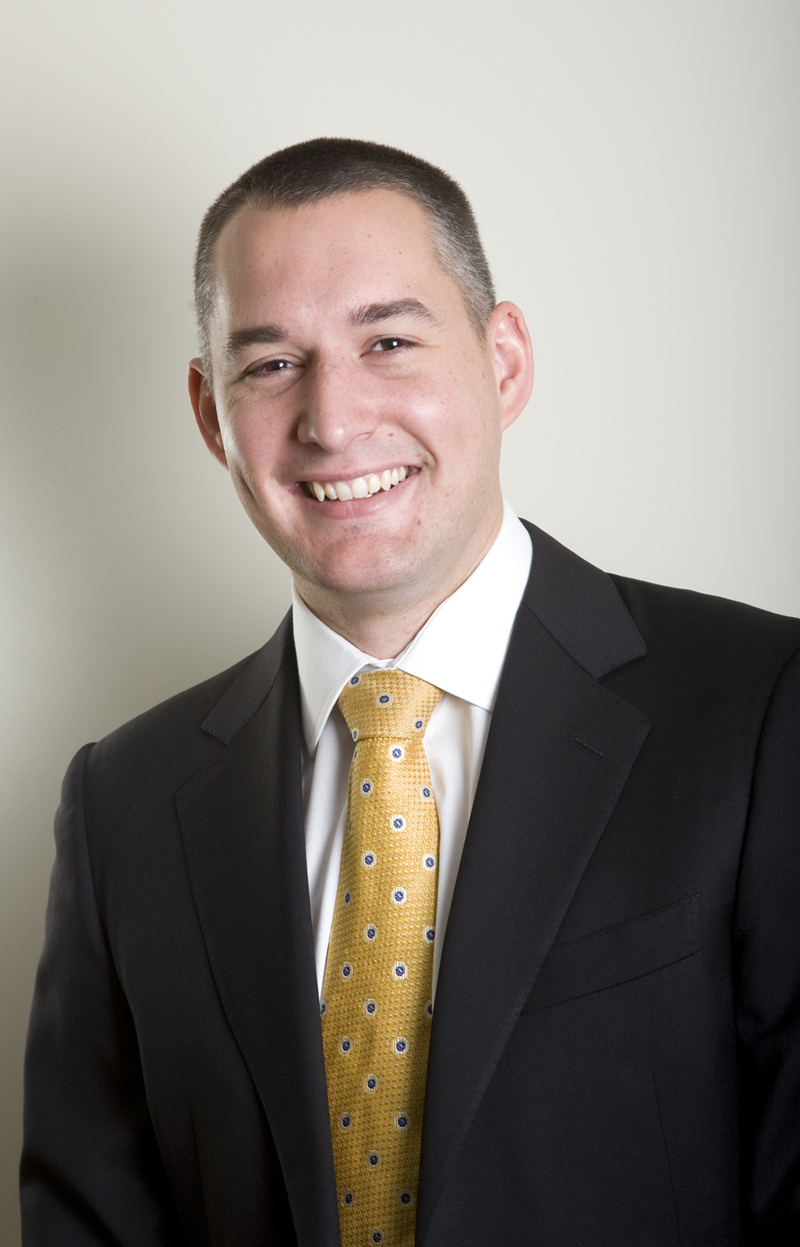
 Geoff Newman, CEO, RecruitmentGenius.com
The recession has underlined the fact that businesses that do well in this climate are also likely to be the most adaptable. This in turn means our views on resourcing must also change to become more sustainable. Employees who solve today’s problems might not be the right people to solve the problems of tomorrow.
As an example, in the summer HSBC announced that it was making 30,000 people redundant, mainly in back-office and support roles. But at the same time, they also announced that they are going to recruit in other areas. Increasingly, we hear similar stories as employers axe staff when times are tough only to recruit again for skills and experience needed into the future.
What challenges are employers currently facing in this recruitment merry-go-round market and how can they best address the issues of “sustainable recruitment” so that they can build flexible businesses that are fit for the future?

The first question HR professionals need to ask themselves is whether they really need to recruit at all – especially if the role may no longer exist in two years time. It’s very easy to respond to a perceived need by throwing people at the problem. A new project comes up, so recruit someone. An employee leaves, recruit someone else. If they don’t work out, find yet more staff. This is not a good long-term sustainable approach, nor does it project the brand of a company as a good employer if people are viewed as nothing more than commodities.
The problem here is that more people is not always the answer – and HR departments and recruiters are often not the best people to assess how to meet business needs. What they should be asking is whether there are any other ways to resolve the resourcing issue. Could the task be automated or could a proprietary or third-party “could-based” technology solution provide the answer?
If the answer is that recruitment is unavoidable, can the need be met with contractors or temporary staff? Or what about “crowdsourcing”, where work is outsourced to a large community on a pay-as-you-go basis – ideal for project-based requirements. Amazon is a good example of a company that is taking full advantage of this model, enabling it to complete specific projects in days rather than weeks.
If conventional recruitment is the only choice, then it is vital that organisations look beyond their immediate needs and ensure that the people they recruit are equipped with the skills to deal with a fast-changing business environment. That means individuals who are flexible and adaptable, who have the skills they need today but also the ability to learn new skills for tomorrow.
At the same time, one of the key roles for HR is to be sufficiently plugged into the business to stay on top of its on-going skills and development requirements and also to be aware of potential lateral career development opportunities so that when business requirements change there is the flexibility on tap to meet new resourcing needs.
For example, a business might currently have a 30 percent customer-facing requirement. But this is growing fast and is likely to hit 70 percent in 18 months. So rather than recruiting more customer-facing staff in 18 months, the organisation ought to be looking for staff now who have customer-facing skills – or the potential to develop them – alongside other skills.
Of course, training and development plays an important role in equipping staff with a flexible portfolio of skills and the temptation to cut these budgets too deeply needs to be resisted. But it is also worth remembering that something like 40 percent of what people learn on a training program today will be obsolete within five years, so it’s the receptiveness to learning new skills and ways of doing things that really matters.
Ultimately, then, having the right people in place depends on focusing on longer term business objectives and ensuring that those people are sufficiently flexible to meet them. That’s what I mean by taking a sustainable approach to recruitment, and that’s how to put in place building blocks for the future.

Pamela Flores is an events professional with experience at Symposium Events, a UK-based conference and events organization. She has worked in editorial and event coordination roles within the HR and expatriate management sector, contributing to the organization of major conferences including the Expatriate Management and Global Mobility conference. Her background spans online editorial work and events management within the professional conference industry.
- Pamela Flores

- Pamela Flores
- Pamela Flores
- Pamela Flores









