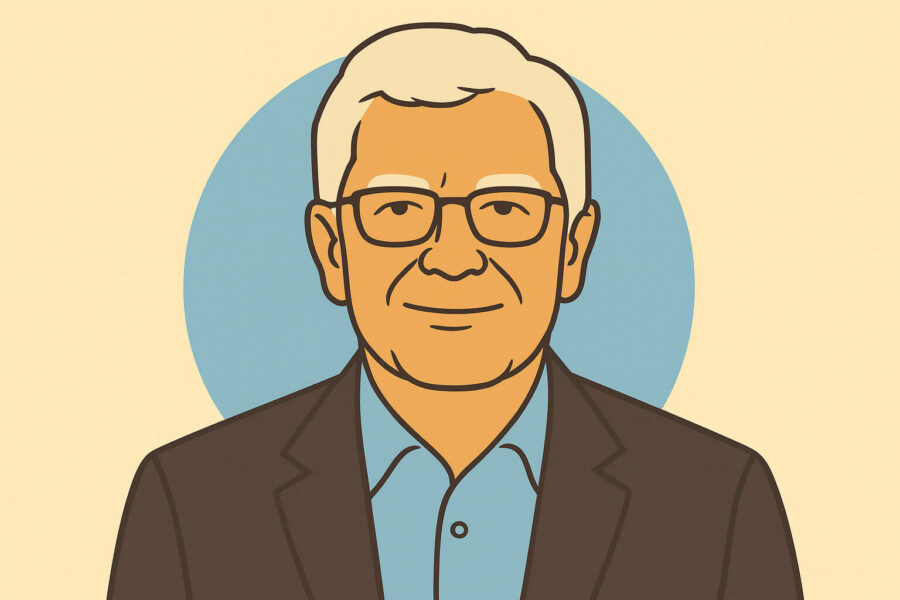
“Human resources are like natural resources; they’re often buried deep.”
Context
The late Sir Ken Robinson, a globally recognised education and creativity expert, once drew a parallel between people and the natural world. He remarked: “Human resources are like natural resources; they’re often buried deep. You have to go looking for them, they’re not just lying around on the surface. You have to create the circumstances where they show themselves.”
Robinson, best known for his TED Talks on creativity and his influential work on rethinking education systems, believed that organisations and societies frequently overlook the full potential of individuals, failing to uncover their unique talents and strengths.
Meaning
The comparison to natural resources suggests that talent and creativity are not always visible on the surface. Just as oil, gas or precious minerals must be carefully discovered and nurtured, so too must organisations invest effort into finding and developing the hidden abilities of their employees.

Robinson’s point challenges HR leaders to move beyond traditional recruitment and performance management models and instead focus on cultivating the innate potential that may not be immediately obvious in a CV or job interview.
Implications
Robinson’s words remain highly relevant in today’s workplace. With skills shortages widespread and the demands of artificial intelligence transforming jobs, businesses cannot afford to ignore the hidden capabilities within their existing workforce.
This perspective reinforces the importance of employee development, coaching and creating cultures where creativity and innovation can surface. Organisations that fail to dig deeper risk not only losing competitive advantage but also disengaging their employees, many of whom may feel their best qualities are unseen or undervalued.

William Furney is a Managing Editor at Black and White Trading Ltd based in Kingston upon Hull, UK. He is a prolific author and contributor at Workplace Wellbeing Professional, with over 127 published posts covering HR, employee engagement, and workplace wellbeing topics. His writing focuses on contemporary employment issues including pension schemes, employee health, financial struggles affecting workers, and broader workplace trends.
- William Furney

- William Furney
- William Furney
- William Furney