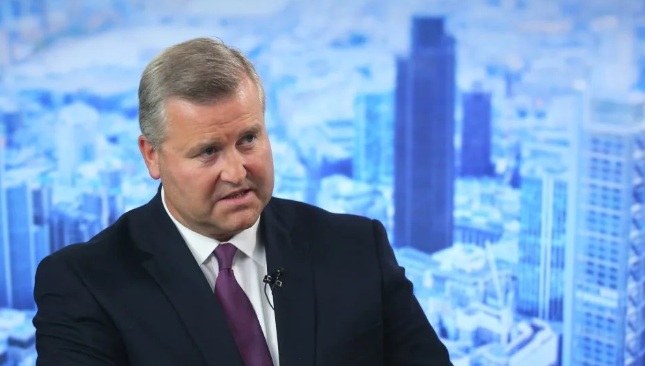
Concerns over alleged bullying and “overbearing” behaviour have triggered the abrupt removal of BP chairman Albert Manifold, raising fresh questions about leadership culture and governance standards at the oil giant.
BP confirmed Manifold had left the company with immediate effect following what it described as “serious concerns raised to the board related to important governance standards, oversight and conduct”. The BBC reported that allegations of bullying behaviour formed part of the concerns behind the decision.
The dismissal came less than a year after Manifold joined the company and only months after he became chair. One person close to the business told the BBC: “This is a big lever to pull; you wouldn’t do it unless it was serious.”
The episode is likely to intensify debate around executive behaviour, boardroom accountability and how major employers handle allegations involving senior leaders.

Leadership behaviour increasingly under scrutiny
Senior independent director Amanda Blanc said the board had been “surprised and disappointed to learn of governance oversight and conduct issues it deems unacceptable and has taken decisive action”.
BP said the board was unanimous in its decision to remove Manifold.
The development continues a turbulent period for the company’s leadership. Former chief executive Bernard Looney resigned in 2023 after failing to disclose relationships with colleagues, which BP described at the time as serious misconduct.
Manifold had been brought in as part of a broader strategic reset aimed at steering BP back towards oil and gas production after investor criticism of its renewable energy strategy. He joined BP as a non-executive director in September 2025 before becoming chair the following month.
His removal also follows a contentious annual general meeting in April, where almost a fifth of shareholders voted against his appointment amid governance concerns and criticism over BP’s handling of climate-related resolutions.
Investment platform AJ Bell said governance concerns had already unsettled some shareholders before the latest controversy emerged.
Workplace culture concerns reach the boardroom
The case is likely to resonate beyond the energy sector because it reflects growing scrutiny of workplace culture and behavioural standards at senior leadership level. HR specialists have increasingly warned that organisations risk undermining their own culture strategies if allegations involving powerful executives are handled inconsistently or without transparency.
The issue has become particularly sensitive in large organisations where employers publicly promote inclusion, wellbeing and psychological safety while simultaneously facing accusations linked to leadership conduct.
Although BP has not publicly detailed the allegations against Manifold, the company’s decision to remove a chairman so quickly is likely to be viewed as unusually serious in corporate governance terms.
Shares in BP reportedly fell around 5 percent following news of his departure.
Senior independent director Ian Tyler has now taken over as interim chair while the company begins the search for a permanent replacement.
Tyler said the board retained “deep conviction” in BP’s wider strategy and praised chief executive Meg O’Neill for taking “bold action” to simplify the business structure.
Analysts said Manifold’s practical impact on BP may ultimately prove limited because of the short time he spent in the role. But the circumstances surrounding his departure are likely to keep attention focused on governance standards and executive conduct inside major employers.

William Furney is a Managing Editor at Black and White Trading Ltd based in Kingston upon Hull, UK. He is a prolific author and contributor at Workplace Wellbeing Professional, with over 127 published posts covering HR, employee engagement, and workplace wellbeing topics. His writing focuses on contemporary employment issues including pension schemes, employee health, financial struggles affecting workers, and broader workplace trends.
- William Furney

- William Furney

- William Furney

- William Furney