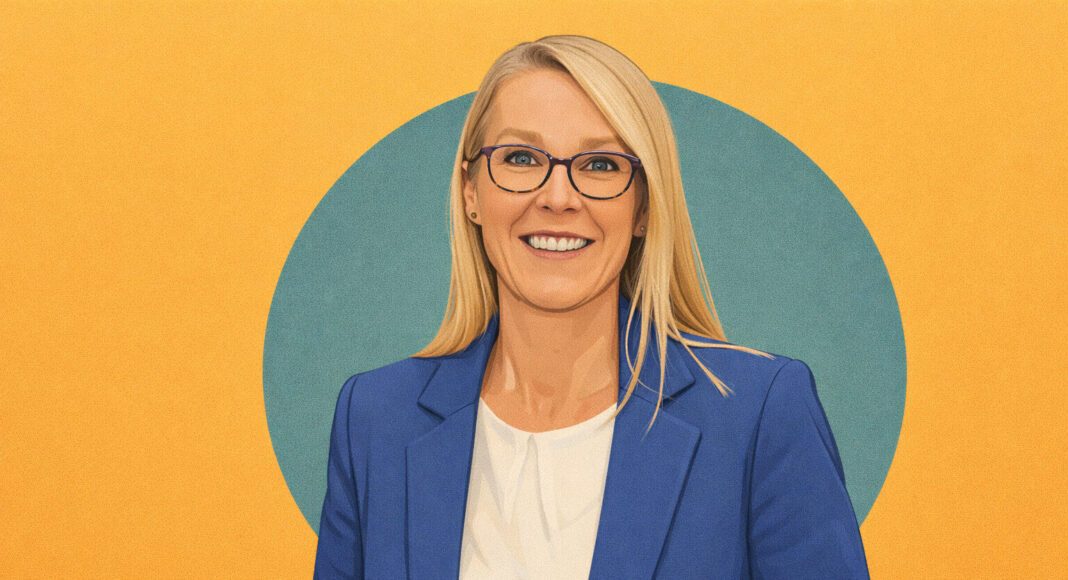
“Moving into 2026, we’re going to see DEI going undercover.”
Context
Dr Melissa Carr, Director of DEI at Henley Business School in Reading, made the prediction in an end-of-year workplace outlook. Her remarks were framed against the increasingly polarised treatment of diversity, equity and inclusion (DEI) in political and corporate spheres during 2025, particularly in the United States, where senior officials have cast DEI as an ideological battleground rather than a workforce strategy.
Carr argued that this backlash has shaped perceptions far beyond the US. Organisations have found themselves defending long-established DEI programmes against claims that they protect the “undeserving” or undermine standards, and DEI leaders have spent more time navigating culture-war rhetoric than embedding long-term change.
In response, she said many firms are already changing approach, relabelling DEI work as culture, belonging or responsible business, while continuing the underlying practices.
Meaning
Carr’s remark does not suggest a retreat from DEI. Instead, she describes a tactical recalibration. The underlying work remains the same, but the language becomes quieter, more regional and more carefully adapted to context.

Her phrase “going undercover” implies that, in an environment where DEI terminology has been politicised or misunderstood, organisations will continue pursuing equity but will package it differently. Rather than label initiatives explicitly as DEI, they may present them as leadership development, inclusive culture, workforce equity or people-centric business strategy.
The prediction also recognises that global companies operate across jurisdictions moving in different directions. Where the US federal stance is restrictive, European policy trends remain largely supportive of equity-based programmes. Carr suggests that multinationals will increasingly adopt regional models that affirm global values while tailoring language and deployment locally.
Implications
DEI may become less visible in its terminology but more embedded in practice. This places greater responsibility on people teams to integrate equity into everyday processes such as recruitment, performance management, progression pathways and culture work, rather than rely on standalone initiatives.
It also means DEI capability will need to be distributed, not centralised. If formal DEI roles come under external pressure, managers and HR business partners will shoulder more of the responsibility for maintaining fair systems and inclusive behaviours. Training, data governance and safe reporting channels will be essential, even if they are not overtly labelled as DEI frameworks.
Carr’s prediction further implies that communication strategies must evolve. Where explicit DEI messaging risks becoming a distraction or flashpoint, organisations may benefit from quieter, evidence-based approaches that focus on dignity, equity and belonging without leaning on contested labels.
Ultimately, the forecast is not about reduced commitment but about adaptive design. As the political climate becomes more volatile, Carr suggests the organisations that maintain progress will be those that protect substance, even when they adjust the surface.

William Furney is a Managing Editor at Black and White Trading Ltd based in Kingston upon Hull, UK. He is a prolific author and contributor at Workplace Wellbeing Professional, with over 127 published posts covering HR, employee engagement, and workplace wellbeing topics. His writing focuses on contemporary employment issues including pension schemes, employee health, financial struggles affecting workers, and broader workplace trends.
- William Furney

- William Furney
- William Furney
- William Furney