HRreview Header

Balls suggests cuts could cause public sector turmoil

-

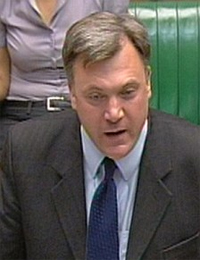
Labour leadership candidate Ed Balls has offered indication that if elected leader in September he will take the party further away from coalition cuts and more in line with those who believe money should not be withdrawn from the economy too soon risking meltdown in the public sector.

The former Chief Economic Advisor has geared himself to mount a more aggressive attack on coalition spending plans when cuts are announced in the autumn’s comprehensive spending review.

Balls denounced the Labour party’s pre-election claim that the deficit can be halved in four years while making the party’s opposition to coalition financial plans more trenchant.

Balls told BBC News the pledge was a “mistake” and that he would have opted for a slower plan to lower the deficit.

In his last budget before leaving the Treasury, Alistair Darling said a Labour government would halve the deficit by 2014, which would have meant cuts of 20% to those spending areas not protected – policing, schools and hospitals.

Balls told the BBC: “Halving the deficit in four years by cutting public spending … I think was a mistake. In government at the time in 2009 I always accepted collective responsibility, but I thought the pace of deficit reduction through spending cuts was not deliverable.”

He also proposed lowering from £150,000 to £100,000 the threshold at which the higher rate of income tax kicks in instead of increasing the rate of VAT.
David Miliband stands firm with Alistair Darling, now shadow chancellor and a supporter of his leadership bid, in backing a ratio of 2:1 spending cuts to tax rises, as opposed to the coalition’s 77:23 split.

Another leadership candidate, shadow health secretary Andy Burnham, said he believed a Tory pledge to ringfence the NHS and increase its spending in real terms year on year was wrong and offered up ways to cut the health budget.




Latest news

James Rowell: The human side of expenses – what employee behaviour reveals about modern work

If you want to understand how your people really work, look at their expenses. Not just the total sums, but the patterns.

Skills overhaul needed as 40% of job capabilities set to change by 2030

Forecasts suggest 40 percent of workplace skills could change by 2030, prompting calls for UK employers to prioritise adaptability.

Noisy and stuffy offices linked to lost productivity and retention concerns

UK employers are losing more than 330 million working hours each year due to office noise, poor air quality and inadequate workplace conditions.

Turning Workforce Data into Real Insight: A practical session for HR leaders

HR teams are being asked to deliver greater impact with fewer resources. This practical session is designed to help you move beyond instinct and start using workforce data to make faster, smarter decisions that drive real business results.
- Advertisement -

Bethany Cann of Specsavers

A working day balancing early talent strategy, university partnerships and family life at the international opticians retailer.

Workplace silence leaving staff afraid to raise mistakes

Almost half of UK workers feel unable to raise concerns or mistakes at work, with new research warning that workplace silence is damaging productivity.

Must read

Michael Doolin: What employers need to know about remuneration packages and benefits

"COVID-19 has brought the importance of benefits, particularly non-financial ones, to the forefront and is a stark reminder than in an unpredictable world, flexibility, adaptability, and reactivity are key."

The impact of BYOD on e-disclosure

The increase in the number of employers permitting and...
- Advertisement -

You might also likeRELATED
Recommended to you