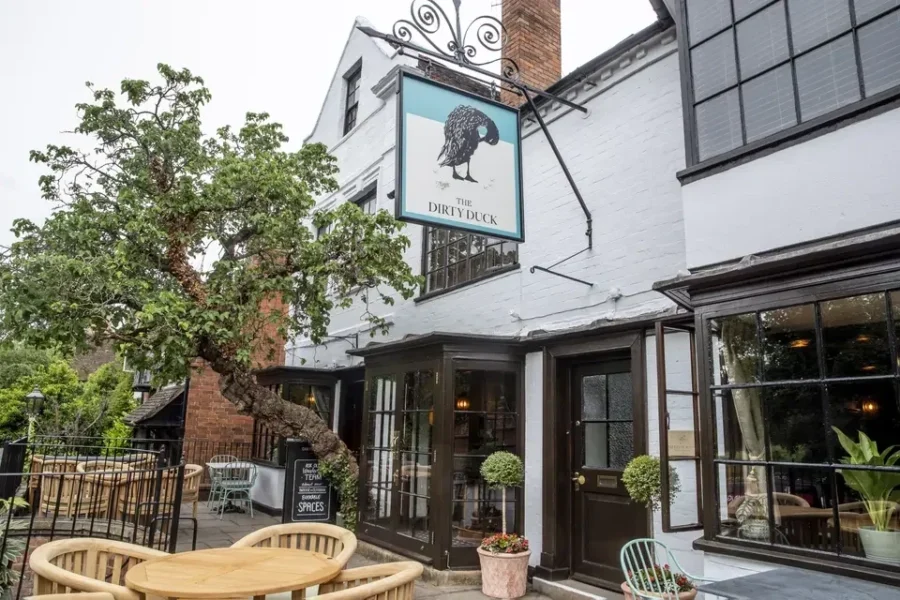
A dyslexic chef has won a disability discrimination case against a pub chain after an employment tribunal found the pub chain failed to make reasonable adjustments to support him at work.
The case, heard at Bury St Edmunds in September, concluded that the company had breached its duty under the Equality Act 2010 to accommodate the chef’s disability. Employment Judge A Spencer ruled that the complaint of failure to make reasonable adjustments was “well-founded and succeeds”.
Greene King Retail Services Limited, part of the Greene King group which runs pubs, restaurants and hotels across the UK, was ordered to pay the claimant, L Moore, a total of £24,004 in compensation and interest. This included £9,577 for past financial losses, £12,000 for injury to feelings, and nearly £2,500 in interest. Claims for unauthorised wage deductions and holiday pay were dismissed.
Tribunal ruling reinforces employers’ legal duty
The decision reinforces the duty of employers to take practical steps to remove barriers that disadvantage disabled workers. In Moore’s case, the tribunal found that Greene King had not made the reasonable adjustments required to support him in performing his role.

The Equality Act 2010 obliges employers to consider and implement changes that might include modified procedures, additional training or assistive tools to help disabled employees carry out their duties effectively. When such measures are ignored, tribunals can award both financial and emotional damages.
Moore represented himself with assistance from his wife, Hayley. The judgment reflects a growing willingness among employment tribunals to hold employers accountable where they fail to act on known disabilities.
Compensation for injury to feelings, calculated using the “Vento” scale, is designed to reflect the emotional harm caused by discrimination. The £12,000 awarded in this case falls in the middle band, typically used where distress has been significant but not extreme.
Case ‘should drive cultural change’
Joshua Goodison, chief executive and founder of workplace platform NeuroBridge, said the ruling showed how small, timely interventions could prevent major consequences for both staff and employers.
“Cases like this highlight how simple adjustments can make a life-changing difference, not only for the employee, but for the organisation’s culture and reputation,” he said.
“Neuroinclusion isn’t about ticking a compliance box; it’s about building workplaces where everyone can thrive. The hospitality industry has a huge opportunity to lead by example here,” he said.
The ruling carries particular weight for the hospitality industry, which employs millions across the UK and often involves high-pressure, fast-moving environments. Long shifts, limited staff resources and minimal formal training can make it difficult for employees with neurodivergent conditions such as dyslexia, ADHD or autism to succeed without appropriate support.
Experts say employers can make straightforward but effective adjustments, such as providing clear written communication, adapting training materials, allowing extra time for paperwork, or offering mentoring. The cost of these measures is typically low compared with the potential cost of a successful discrimination claim.
Employment law specialists also note that tribunals look not only at whether an employer made adjustments, but at the timeliness and sincerity of their efforts. Failing to engage with an employee’s request or delaying action can itself amount to discrimination.
Preventing disputes through early action
The key lesson from the Greene King case is the importance of early intervention. When an employee discloses a disability, even informally, the employer should record the conversation, assess what support might be needed and agree a plan. Occupational health or Access to Work assessments can help identify reasonable solutions.
Guidance from the Equality and Human Rights Commission advises employers to document all discussions and reviews of adjustments. This not only ensures accountability but provides evidence if the organisation’s actions are later questioned.
While the tribunal’s award centred on one individual case, it has broader implications for how companies view disability and neurodiversity. Observers note that hospitality employers in particular have an opportunity to transform their reputations by investing in inclusion training and communication.
Research by bodies such as Business Disability Forum has shown that inclusive workplaces experience lower turnover and higher employee engagement. For customer-facing sectors, the benefits extend to customer satisfaction, as supported and confident staff are more likely to perform well under pressure.
Experts argue that employers must move beyond viewing disability support as a compliance exercise. Instead, they should treat neuroinclusion as part of a broader wellbeing strategy that values diversity of thought, learning styles and communication preferences.

William Furney is a Managing Editor at Black and White Trading Ltd based in Kingston upon Hull, UK. He is a prolific author and contributor at Workplace Wellbeing Professional, with over 127 published posts covering HR, employee engagement, and workplace wellbeing topics. His writing focuses on contemporary employment issues including pension schemes, employee health, financial struggles affecting workers, and broader workplace trends.
- William Furney

- William Furney
- William Furney
- William Furney