

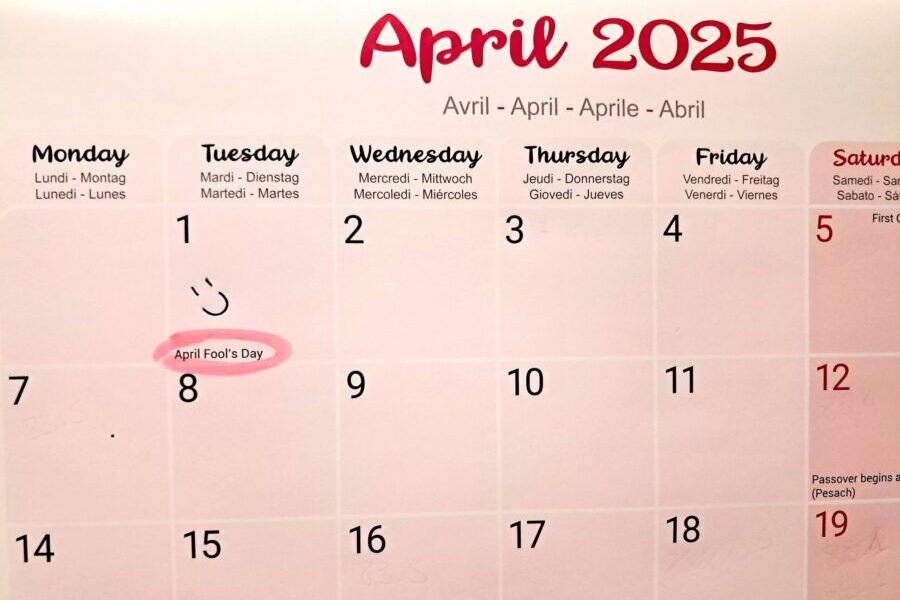
Workplace humour can contribute to a positive culture and strengthen colleague relationships. However, what one person finds amusing may be offensive or inappropriate to another. April Fool’s Day often brings office pranks – but without careful consideration, these can cross professional boundaries and lead to serious consequences.
Kate Palmer, employment services director at Peninsula, warns that while employers may not want to dampen workplace fun, pranks can sometimes go too far. She advises that what starts as an innocent joke could escalate into grievances, claims of harassment or even legal action.
“If an employee feels they are targeted by workplace jokes, it could be interpreted as bullying. They may raise a grievance or even leave, putting you at risk of a claim for constructive dismissal,” she says. She added that if a joke involves a protected characteristic under the Equality Act, it could lead to a discrimination claim and financial penalties for the employer.
Managing workplace humour professionally
Palmer recommends that businesses take a proactive approach by maintaining clear policies on bullying, harassment and workplace conduct. Ensuring employees understand these policies can help prevent issues from arising.

“For April Fool’s Day, it’s probably best to keep celebrations in the workplace at a minimum,” she advises. If an organisation does allow pranks, they should be considerate and avoid causing offence.
“Know your audience – changing a colleague’s screensaver to an embarrassing image could cause offence; swapping food labels could cause issues if someone has food allergies, while putting a whoopee cushion under the boss’s chair is unlikely to go down well,” she says.
Palmer suggests that simple, harmless pranks – such as a sign on the coffee machine claiming it is voice-activated or filling a doughnut box with unexpected contents – can be light-hearted without crossing the line. However, she added, the key to workplace pranks is maintaining professionalism, knowing the audience, and ensuring humour remains appropriate.

Alessandra Pacelli is a journalist and author contributing to HRreview, where she covers topics including labour market trends, employment costs, and workplace issues.
- Alessandra Pacelli

- Alessandra Pacelli

- Alessandra Pacelli

- Alessandra Pacelli





