

HRreview Header

Justice minister proposes measure to increase diversity within the judiciary

-


Justice secretary Kenneth Clarke has announced a consultation on a number of measures designed to increase the cultural diversity of the UK’s judiciary.

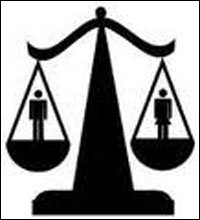
It will seek views on whether, when considering two candidates of genuinely equal ability, there should be a presumption in favour of selecting the person from an underrepresented group, such as women or ethnic minorities.

However, Mr Clarke emphasised that judges should always be selected on merit first.

“The calibre of our judges should never be compromised – their role is too important. Candidates should always be assessed on merit,” he said.

However, the minister added: “But swathes of talent are going untapped. Ability is not confined to certain narrow sections of society, in certain racial, social or other groups. The more widely we search, the more likely we are to find the best candidates.”

According to government figures, 13.7 per cent of senior judges are women and 3.1 per cent are from black and Asian groups, compared to 51 per cent and 12 per cent of the wider population.

The new consultation also proposes extending salaried part-time judicial roles to the High Court and Court of Appeal to increase the diversity and inclusion of women and minorities at senior levels of the judiciary.

“I am especially concerned to open up the judiciary to those with caring responsibilities,” said Mr Clarke.

“It should no longer be the case that an able woman who seeks a post in the senior judiciary is at a disadvantage because she chose to pause her career to have a family.”

It follows recent comments from Lord Neuberger of Abbotsbury, the country’s second most senior judge, who, in an interview with the Times, said he would have no problem with female or ethnic minority candidates for top judicial positions being favoured over white men when the two applicants are otherwise equal in order to increase diversity.


Latest news

James Rowell: The human side of expenses – what employee behaviour reveals about modern work

If you want to understand how your people really work, look at their expenses. Not just the total sums, but the patterns.

Skills overhaul needed as 40% of job capabilities set to change by 2030

Forecasts suggest 40 percent of workplace skills could change by 2030, prompting calls for UK employers to prioritise adaptability.

Noisy and stuffy offices linked to lost productivity and retention concerns

UK employers are losing more than 330 million working hours each year due to office noise, poor air quality and inadequate workplace conditions.

Turning Workforce Data into Real Insight: A practical session for HR leaders

HR teams are being asked to deliver greater impact with fewer resources. This practical session is designed to help you move beyond instinct and start using workforce data to make faster, smarter decisions that drive real business results.
- Advertisement -

Bethany Cann of Specsavers

A working day balancing early talent strategy, university partnerships and family life at the international opticians retailer.

Workplace silence leaving staff afraid to raise mistakes

Almost half of UK workers feel unable to raise concerns or mistakes at work, with new research warning that workplace silence is damaging productivity.

Must read

Dave Mendoza: Futurecasting – map, standardize, & segment your talent organisation’s data IP

Futurecasting: Map, standardize, & segment your talent organisation’s data...

Jonathan Hassell: Why technological advancements in HR shouldn’t compromise accessibility

The rise in the use of digital platforms could be locking out a significant number of potential employees who struggle with online environments.
- Advertisement -

You might also likeRELATED
Recommended to you



