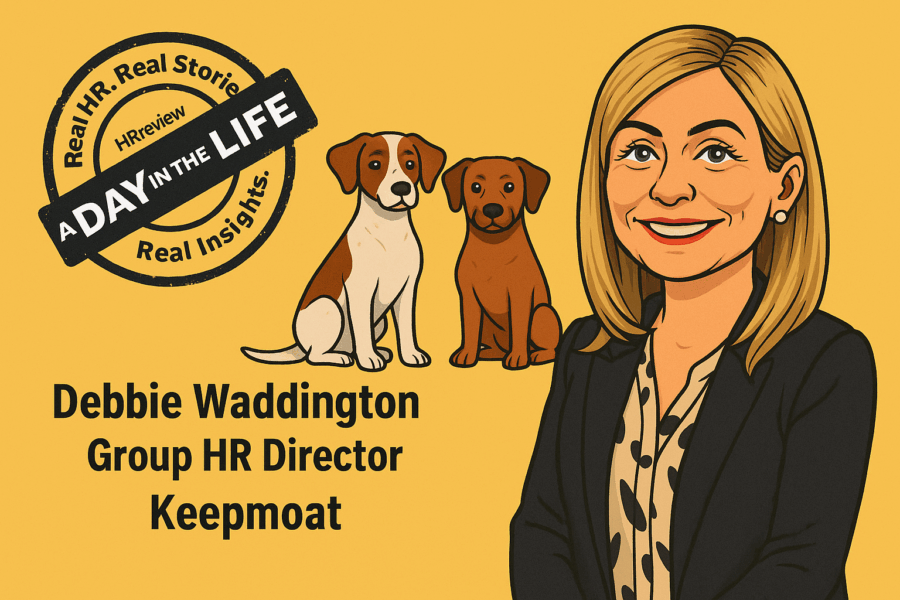
After two decades in HR, Debbie Waddington knows the value of structure, in business and in life. As group HR director at Keepmoat, one of the UK’s leading housebuilders, she brings the same balance and discipline to her working day that she once applied to climbing the career ladder from BT’s typing pool to the boardroom.
Based in Doncaster, where she also lives with her husband and two rescue dogs, Buddy and Lexi, Debbie starts most mornings early, often with a workout led by her personal trainer or an online fitness session. Music plays a central role in setting the tone for her day, whether calm or upbeat, before she drives to the office with time to think and reset.
Now 62, she leads people strategy across Keepmoat’s national operations and has been with the company for a decade, nine of those years as group HR director. Her afternoons are filled with meetings, planning sessions and the continued development of KeepWell — an initiative that integrates wellbeing, inclusion and mental health support into everyday working life. Evenings are spent with her husband and dogs, unwinding over dinner or rewatching Game of Thrones. “People might be surprised by how much forward thinking goes into HR,” she says. “It’s not just about reacting to problems; it’s about shaping the organisation for the future.”
I wake up at 6am. During the darker months, I use a sunrise alarm because I really don’t like getting up in the dark; it just doesn’t feel right. As soon as I’m up, I’m listening to music. I love to have a soundtrack to start the day. Generally it will reflect my mood as I wake. Sometimes it’s quiet and calm and other days I listen to upbeat pop or something energetic.

Moving my body first thing is an important part of my morning routine, so I work with a personal trainer twice a week and usually exercise once a week at home using an online app. After that, it’s time to get ready for the day, have some breakfast and then head into the office, which I do most days, or to one of our regional offices. I try to have one day a week working from home.
Once I’ve had my breakfast, I start thinking about the day ahead: what I need to focus on, what meetings I have and how to structure my time effectively.
My commute is a half an hour drive to Doncaster, which is perfect for gathering my thoughts or reflecting on the day ahead. I usually have music on in the car also. I make sure I’ve got some coffee and then I start checking emails and running through my to-do list and calendar. I have a lot of meetings and teams calls every day, so it’s important I’m fully equipped.
Although I try not to have meetings before 10am, it doesn’t always work out. Sometimes my mornings are straight into meetings or calls or conversations; if not, I like some focus time first thing to progress tasks and actions.
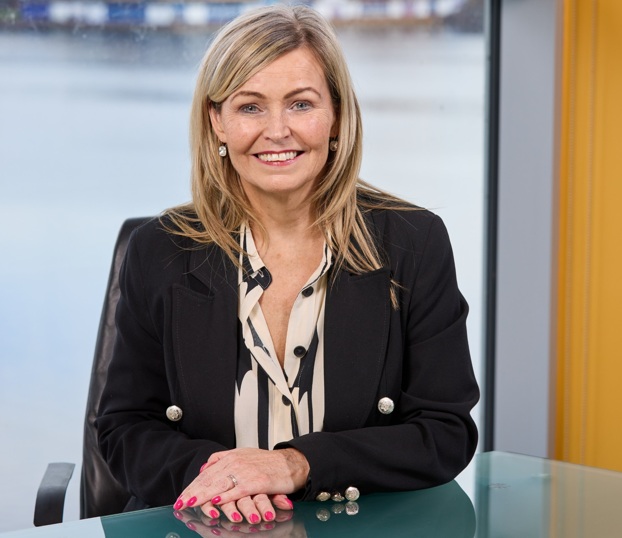
I appreciate that taking a lunch break is really important but I mainly eat on the go. Whenever possible, I’ll walk around the lake which is just outside our office, to get some fresh air and get my steps in. Often I’ll use time over lunch catching up with my team and colleagues in other departments. Very occasionally, I actually get to eat on my own at my desk. Generally I opt for a chicken salad — something light but filling to get me through the afternoon.
I think the biggest innovation in HR over the next five years will focus on how we equip and empower managers to lead a truly multigenerational workforce. The workplace now spans a mix of age groups and, more than ever before, has different expectations, motivations and ways of working.
This requires a fresh approach to leadership and management: upskilling managers will be key, not just in technical or operational areas but in the soft skills to not only help them focus on performance — giving timely feedback in the right way, to inspire, engage and motivate people to deliver — but to do all this with a coaching mindset and foster inclusive environments where everyone can thrive.
At the same time, preparing future talent is also a huge focus for the construction and housebuilding industries. In my sector, skills are highly practical and highly specialised. Without ongoing training, companies run the risk of skills gaps that affect both productivity and safety.
Organisations can’t simply wait for talent to come to them; we need to innovate in how we attract, develop and retain our people. This means ensuring we have a clear and understandable employee value proposition, creating career paths, supporting our talent to progress their careers through flexible and meaningful learning opportunities and finding ways to drive engagement — particular focus here being our younger employees early in their careers so they feel connected to the overall purpose.
In 2025, 68 percent of our employees completed training and upskilling initiatives. This commitment ensures that personal development and progression opportunities are always available to our workforce, helping to maintain motivation and offer incentives for those eager to develop their skillset.
My advice (to HRs looking to get ahead) is to make sure you fully understand the business you operate in. What drives it? What adds value? Where are the risks? This is crucial. You must have an understanding of the whole business and how it works, its goals and objectives. Shadowing operational teams and leaders to see how the business functions day to day will help you to understand how HR strategy supports wider business goals.
It’s really important not to view your organisation through a pure HR lens. Understanding the business, how it works, the culture, will help you when considering which HR approach or initiative to deploy so that it’s fit for purpose. Otherwise, you risk implementing HR practices that don’t align with the organisation, which ultimately won’t drive the outcomes needed.
Afternoons are often filled with meetings, calls and project and partnership work. I spend a lot of time reviewing plans and ideas, catching up with executive colleagues and preparing for the next day. It’s also when I focus on wellbeing initiatives and developing strategies like our KeepWell programme.
Our KeepWell approach is central to how we support colleagues across the business. It focuses on inclusion and diversity as well as physical and mental health, helping to create an environment where everyone can thrive.
By embedding these principles into our culture, we not only support our people day-to-day but also strengthen our employee value proposition, making our organisation an attractive place to work. Afternoons are often when the planning, reflection and proactive work come together to ensure that these initiatives are both effective and sustainable.
I make a point to take regular screen breaks and move around. I go for a walk around the lake next to our office whenever I can, rather than sitting at my desk for hours on end.
My biggest pet peeve (in HR) is probably similar to lots of other HR professionals: how the department can be perceived by those that haven’t worked closely with HR before. Sometimes we can be seen as reactive or as dealing only with problems and process or having a lack of commerciality; but in reality, we drive significant change and strategy to support the business outcomes. I’ve worked hard to create clear communication channels so colleagues understand the role of HR better.
An example of driving change is through the introduction of our KeepWell initiative, which has led to a partnership with the Lighthouse Charity, a mental health and wellbeing non-profit that supports the wellbeing of people working within the housebuilding sector, including mental health, physical wellbeing and financial support. This initiative aligns with the focus we’ve brought on our Valuing Difference approach, the overall aim being to create a respectful, inclusive and supportive environment for all our people.
People might be surprised by how much planning, forward thinking and strategy goes into what we do. HR isn’t just about reacting to problems; it’s about shaping the organisation, thinking ahead and improving business outcomes. It’s challenging but incredibly rewarding.
I reflect during my commute home, thinking about what’s been accomplished and what’s next. Once I’m home, I spend time with my husband and our dogs, which helps me switch off from work mode. We have two Pointer cross rescue dogs from Cyprus, Buddy and Lexi. We adopted them from a local shelter after losing our dog of 12 years. We were lost without him, so my husband started volunteering for the shelter. Next thing we’ve adopted a brother and sister.
My evenings are more relaxed than my mornings. I’m not one for cooking, so my husband usually prepares dinner. After eating, we spend time together and usually watch a TV series into the evening. We’re currently rewatching Game of Thrones, which I love, particularly as we’ve recently been to Croatia and seen a few of the sets in real life.
I’m an early riser but also early to bed. I’m usually heading upstairs by 9:30pm. I find my evenings have less routine than my mornings, and because I have such busy days, I don’t need to prepare for sleep. I’m out like a light most nights. I keep a pen and notepad on my bedside table, so if I do have any lingering thoughts, I can jot them down quickly.

William Furney is a Managing Editor at Black and White Trading Ltd based in Kingston upon Hull, UK. He is a prolific author and contributor at Workplace Wellbeing Professional, with over 127 published posts covering HR, employee engagement, and workplace wellbeing topics. His writing focuses on contemporary employment issues including pension schemes, employee health, financial struggles affecting workers, and broader workplace trends.
- William Furney

- William Furney

- William Furney

- William Furney