In today’s workplace, it’s becoming harder to distinguish between genuine human ingenuity and machine-generated efficiency. Will AI free us from mundane tasks? Will it make us more productive, more creative? Or is it quietly reshaping what it means to be human at work?
We often hear that AI will eliminate the need for repetitive labour, giving us the chance to do “higher-order” thinking. But the reality unfolding in offices and digital workspaces is more complex—and more troubling. Rather than challenging us to grow, AI is making it dangerously easy to outsource our thinking, our writing, our decision-making—even our creativity.
The workplace, once a space where human potential could flourish, is at risk of becoming a place where our most valuable abilities are dulled. If we’re not careful, we won’t just lose jobs to machines—we’ll lose the very qualities that made us valuable in the first place.
AI – chicken or egg?
AI is “killing off” the very skills that will make us valuable in the workplace of the future.

It’s very hard for most people to imagine something that is currently outside of their realm of experience. A lot of ideas about the future of AI are projected to us in movies and from AI experts. And general reactions vary from terror to excitement about what the future could hold.
The truth often lies somewhere in the middle. Will AI be good or bad? My view is that, like anything, with plus points come the minuses.
Common examples of this are: social media can be used as a force for good (to stay connected, to spread positive messages) or for ill (spread disinformation, incite hatred). Today’s “convenience” culture means anything we could want is at our fingertips, but the flip side of this is we want instant gratification all the time.
What does this mean in the world of work?
We’re already seeing AI revolutionising the way we live, and so it is likely to revolutionise the world of work. In 10 years from now, workplaces will look completely different and require a new set of skills from employees. Why pay a human to do a manual task, when it can be done cheaper and faster by AI?
While this may seem like a threatening concept – any so-called threat carries with it opportunities. With the manual work taken care of, it frees us up to do higher order, more critical and creative work.
You need to take responsibility for your own development. You need to think strategically, when considering the skills that you take time to develop now. What can AI not do? How can you make sure that you develop those skills?
How AI can help us
AI can be useful for making highly repetitive, usually manual tasks automated. For example, data entry, scheduling meetings, or automatic email replies.
It can also be used as a “version” of you, to take on some of your lower-level tasks.
One of my clients, AiSensum, an entrepreneur in the AI space, has created and trained an AI version of himself. It speaks like him and thinks like him. And the AI version of him can speak in multiple languages at the touch of a button. His AI version is there to answer simple customer questions, so that he can make the best use of his time, only becoming involved in complex visionary and strategic work.
Flip side: The most needed future skills are being weakened by AI
One of the negative consequences that we are already seeing, of the technology revolution and AI is the way that it has rewired our brain in undesirable ways.
When parts of the brain don’t get used, they atrophy and our ability to use certain skills are impaired.
You can see this in something as simple as how no-one needs to remember phone numbers anymore (they’re in our phone) or spelling standards dropping (the spelling auto correct will get it!) This creates a reliance on technology for even the simplest things in our lives – like learning and memory.
Whereas once upon a time, we might have used our creative abilities to write or design, now we have the option to say, “AI is better than me – I’ll devote my energy to asking better questions, so AI can do it for me”. A lot of people rather than developing critical thinking, creative prowess, imagination and problem-solving skills resort to AI, and it’s impairing our abilities in these areas.
That’s a problem because AI could not “outthink” a human if we took the time to learn. AI is excellent at collating information based on the present, but true originality is a human creation. Neither does AI have the emotional intelligence or intuitive capacity of humans when they take the time to develop those parts of the brain.
In other words, if we become too reliant on technology, it is impairing our ability to learn the very skills that could make us irreplaceable in the workplace of the future. It’s crucial that we understand and develop our brain in the right way now, to assure our success in the future.
What can we do about it?
Firstly, recognise what AI is great for – you can use it to support you to do your job better. For example, to structure and systematise your plans, to automate processes, to think like you, if you train it.
But also, recognise that it is no substitute for you. It cannot replace your originality, your ability to think critically, your creativity or your intuitive abilities. It also cannot “lead” people. To make sure that you stay relevant, take any opportunity you can to develop those skills.
That might mean writing something thought provoking yourself, rather than relying on AI to do it. Or challenging your thinking when presented with information from AI, rather than accepting what you read. Or working hard to develop your emotional intelligence skillset.

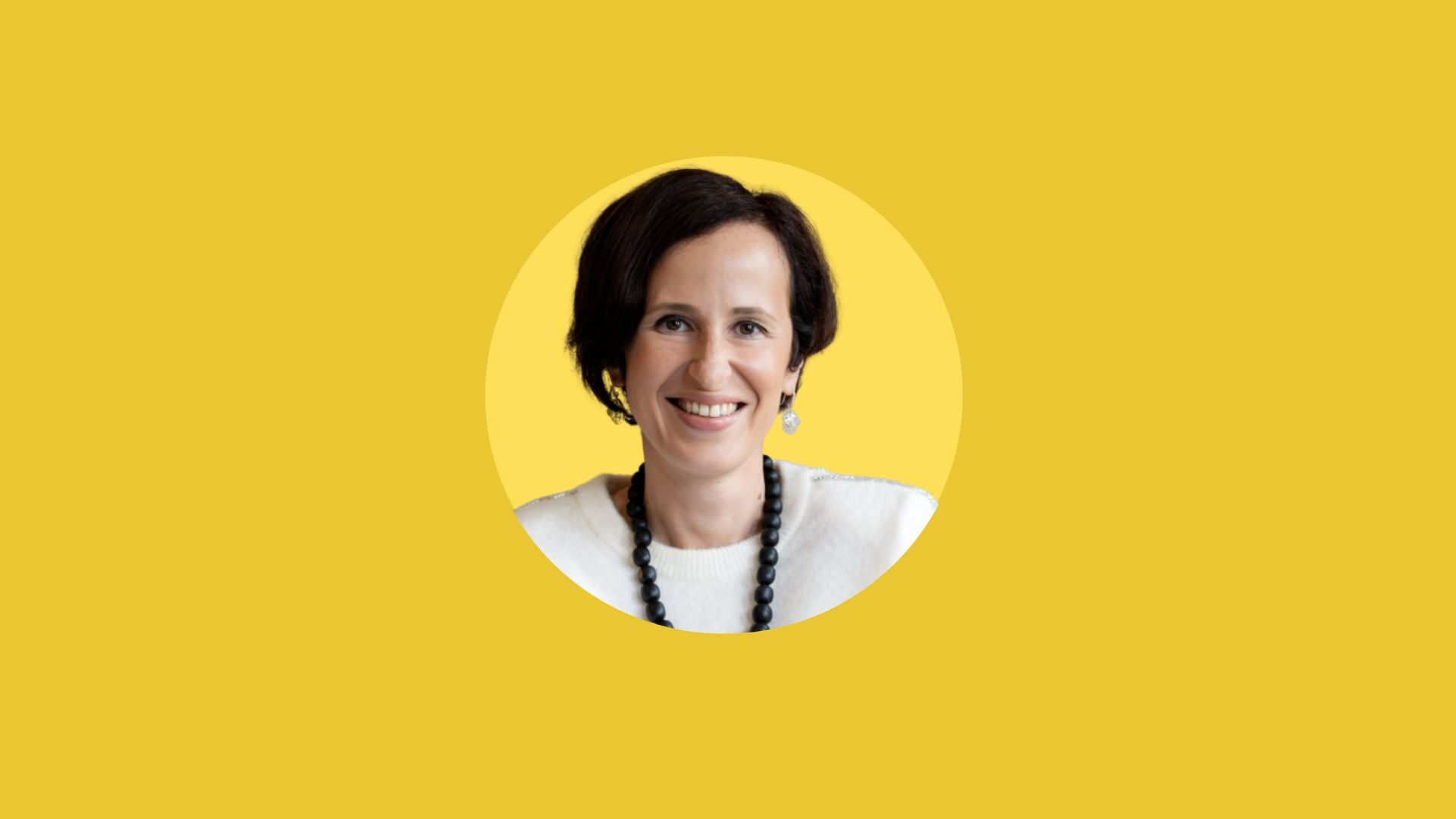
Sara Sabin is a qualified accountant, former start-up founder, thought leader and an executive leadership & intuition coach. She writes regularly for Entrepreneur Magazine’s Leadership Network and Fast Company and is a sought- after commentator for her industry.
Sara guides clients through the intersection between neuroscience, strategy and intuition - how they work together to create extraordinary results. Sara is a master at turning abstract concepts into real-world, relatable insights.
- Sara Sabin