

The pandemic has created new uncertainties and upheaval to the everyday lives of millions of people around the world. This has no doubt exacerbated mental health issues as many individuals experience stress, anxiety and concerns as they try to navigate the ongoing health crisis and the changing environment. Official data suggests that the number of adults with depression has doubled since the start of the pandemic. Almost one in five (19.2%) people experienced depression in June, almost double the 9.7% with symptoms in the nine months to March, according to a survey of 3,500 people by the Office for National Statistics.
Tackling the stigma surrounding mental health has been a workplace challenge for many years. With the shift to long-term remote working and in some cases hybrid arrangements in the current pandemic environment, there is a risk that this stigma could become further embedded – particularly in an environment where many people are working remotely and may find it harder to physically reach out to friends and colleagues. As employers, it’s important that businesses are taking action now more than ever to help support their people, while ensuring that their staff feel able to speak up about their mental health.
There isn’t a one size fits all approach but rather a range of actions that businesses can take. However, in my view, creating a safe environment where people feel able to discuss mental health in the workplace is absolutely key. Equipping people to help identify colleagues who might be struggling can be really impactful and can encourage colleagues to talk more openly about their experiences. Employee-led Networks such as a Mental Health Network can also provide a powerful forum to share experiences, insights, and resources.
More broadly, signposting employees to external organisations through internal communication campaigns can be really valuable and help direct people to the different resources available. For example, Mental health charity MIND provides advice on how to cope, while the Mental Health Foundation, which was part of the national mental health response for the outbreak, has been promoting a range of mental health guidance and support. With the rise in domestic abuse cases reported in the media, businesses can also take steps to engage with charities like Hestia and the Employers’ Initiative on Domestic Abuse to help shape and inform any support they can offer to their employees. By working with these organisations, employers can access and share examples of best practice, learning from other businesses and working collectively to tackle these issues.

Running regular webinars on different mental health issues can further raise awareness and improve knowledge and understanding of the topic. These could also be extended to areas that have been exacerbated in the current conditions such as the rise in domestic abuse, depression, difficulties with sleep, nutrition and alcoholism.
Importantly, from a day to day perspective, taking action to strengthen social connections can be very impactful in supporting the mental wellbeing of your workforce. Informal team catch ups continue be to crucial and leaders need to ensure these don’t slip away as businesses become more accustomed to remote working. These check-ins can help ensure people make the time to ask colleagues if they’re doing ok, and encourage leaders to show a level of vulnerability and listen to how others are doing. Finally, continuing to be creative with team activities, whether it’s having a virtual quiz, or exercise class can make a huge difference in helping people to feel less isolated.
It’s important to remember that many people will be facing different challenges at this time, whether that’s individuals who are living on their own, balancing caring responsibilities, living in flat shares or dealing with the very real physical impact of COVID-19. Leaders need to take into account the effect these different experiences can have on mental health and take steps to create forums where people can share how they’re feeling.
As the long-term nature of the current situation becomes increasingly apparent, it’s crucial that businesses prioritise wellbeing efforts and find ways to support the mental health of their people. This will be critical to the strength of the company and the social cohesion and loyalty that many employers have built over a number of years. Maintaining social togetherness is a key part to safeguarding mental wellbeing and will need to be a key focus in the coming months.

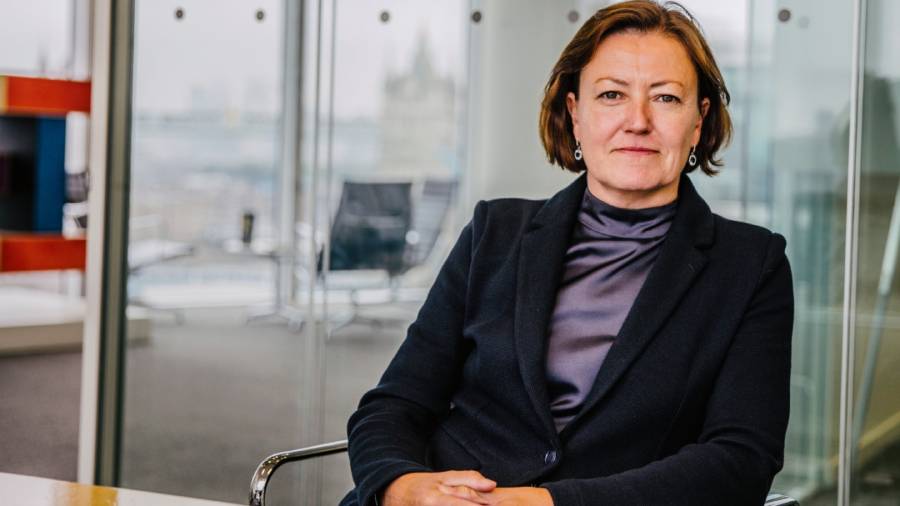
As Managing Partner for Talent at EY, UK & Ireland, Justine develops the firm’s talent strategy to ensure EY is fit for the future and continues to be an employer of choice in the industry. In her previous role she spent time shaping EY's global talent strategy and working with the Global executive team to prepare the organisation for the workplace of the future. Justine is an ambassador of diversity and inclusiveness and believes that the way talent is managed is critical to business success.





