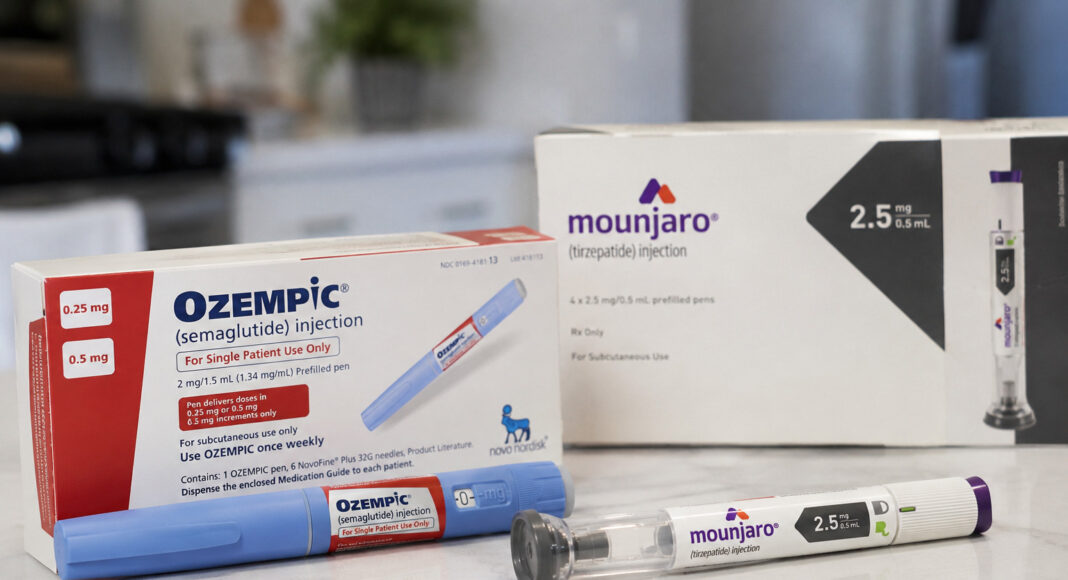
Weight-loss injections could significantly reduce workplace sickness absence and ease pressure on GP services, according to new research presented at a major European obesity conference.
Researchers found obesity patients prescribed the drugs took substantially fewer sick days and attended fewer medical appointments within months of starting treatment, raising fresh debate about the wider economic impact of expanding access to the medication.
The findings come as the government continues exploring whether wider use of weight-loss drugs could help reduce long-term sickness and support more people back into work.
Research presented at the European Congress on Obesity in Istanbul last week found sickness absence among obese patients fell sharply after treatment with GLP-1 weight-loss injections including semaglutide, which is marketed as Wegovy and Ozempic.

Workplace absence ‘falls sharply’
The workplace study involved 1,270 National Health Service patients prescribed the injections because obesity was contributing to chronic health conditions. The research was carried out by Oviva, a British healthcare company specialising in obesity treatment and weight management support.
Comparing equivalent three-month periods before and after treatment, average sick days fell from 1.19 days per patient to 0.66 after nine months of treatment. Longer sickness absences of five days or more also declined significantly, dropping from 17 percent of patients to 7 percent.
Patients also made substantially fewer visits to GPs during the study period. In-person appointments reportedly fell by 43 percent. Researchers estimated that wider rollout of the medication to all eligible patients in England could potentially free up almost 10 million GP appointments annually.
Martin Fidock, UK managing director at Oviva, said obesity remained a major factor affecting productivity and workforce participation.
“Our data shows that when people get the right treatment, jabs combined with proper clinical support, they lose weight, reduce long-term health risks, get back to work, stop relying on their GP and start living again,” he said.
The study found patients lost an average of 12.4 percent of their body weight during the programme.
Broader health and productivity impact
Separate studies presented at the conference suggested the drugs may also reduce asthma attacks and migraines, both of which are major contributors to workplace sickness absence.
Research led by the University of Southern Denmark and sponsored by Novo Nordisk tracked almost 150,000 adults using the injections over a year. The study found use of migraine medication fell by 14 percent among patients taking the drugs, while asthma attacks declined by 26 percent.
Scientists believe the improvements may partly stem from reduced inflammation and improved blood sugar control linked to weight loss.
GLP-1 medications were originally developed to treat Type 2 diabetes but are increasingly being studied for their broader effects on obesity, cardiovascular health and chronic disease prevention. Almost one-third of adults in England are currently classified as obese, with a further 36 percent overweight.
Pressure growing on NHS rollout
The findings are likely to intensify debate over how quickly the NHS should expand access to the injections.
In 2024, the National Institute for Health and Care Excellence recommended the drugs for around 3.4 million eligible patients with obesity-related health conditions. However, rollout was initially limited to around 220,000 patients over three years.
More recently, NICE also approved use of Wegovy for some patients with cardiovascular disease in an effort to reduce the risk of heart attacks and strokes.
Then-health secretary Wes Streeting, who resigned last week, previously supported wider trials examining whether the drugs could help reduce worklessness linked to poor health. He said the government was “on a mission to get the nation healthy again and Britons out of their sickbeds and back in the office”.
The research also found obese patients attending the Oviva programme were managing an average of three serious health conditions when they entered treatment, most commonly anxiety, high blood pressure and Type 2 diabetes.
Another study involving 738 patients prescribed the injections found accident and emergency visits among the group fell by around a quarter. Researchers said further trials examining the effect of the medication on productivity and long-term employment outcomes were planned.

William Furney is a Managing Editor at Black and White Trading Ltd based in Kingston upon Hull, UK. He is a prolific author and contributor at Workplace Wellbeing Professional, with over 127 published posts covering HR, employee engagement, and workplace wellbeing topics. His writing focuses on contemporary employment issues including pension schemes, employee health, financial struggles affecting workers, and broader workplace trends.
- William Furney

- William Furney
- William Furney
- William Furney