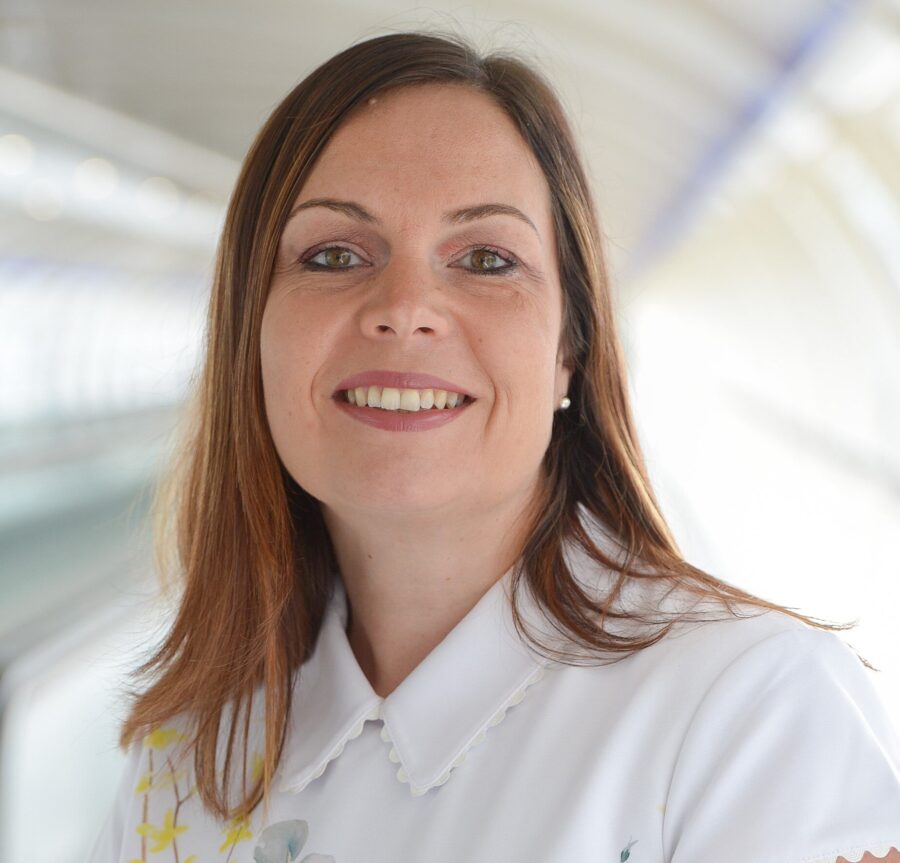
Balancing a high-pressure international HR role with family life and fitness takes focus, and Lisa Wade has it in abundance. As area director of people operations for the UK, Ireland, Western and Southern Europe at Radisson Hotel Group, she manages teams across borders while keeping her own wellbeing front and centre. Based in Manchester with her husband, two teenage children and their cavapoo, Ted, she takes the same disciplined approach to her personal life as she does to her work.
Her days begin early with exercise and time outdoors to boost energy before heading into meetings, mentoring sessions and strategic planning. Drawing on nearly three decades in HR, the 49-year-old relies on FranklinCovey’s Five Choices to Extraordinary Productivity to stay focused on what truly matters — whether supporting colleagues, leading transformation projects or simply finding space to think.
Evenings bring a shift of pace: yoga, walking Ted and cooking quick but healthy meals help her unwind after long days that often include travel. Having run marathons, an ultra marathon and even a triathlon during cancer treatment, she has learned that resilience and mindset make all the difference. “The possibilities are limitless if you focus your mind,” she says.
I wake between 6 and 6.30am but it really depends; if I’m travelling, it’s usually earlier. It is important for me to exercise, as it sets me up for the day. Ideally, I would get out in the morning light; it’s a natural energy booster and helps me sleep later, which I struggle with. I use it as an opportunity to listen to a podcast, and it creates important thinking time.

Getting to work can be by car, train or airplane, depending on location. When I get there, I start by reviewing my goals and schedule for the day and week, to ensure I prioritise the “Big Rocks”. I then review my email inbox. I try and not look at my email all day — ideally three or four times — the rest of the time is spent collaborating with colleagues and working on key priorities.
I also mentor and coach colleagues, and listen, to better understand how I can support them. I review data points to align on my to-dos. I try to take a lunch break but it doesn’t always happen. At least I take time to step away from my desk. Standing helps you think and makes you more productive.
I have a healthy diet and prioritise food that fuels the brain and also supports the gut. But it can be a challenge when travelling as fast food is so prominent. So I have to plan ahead what I take and where I will eat.
I think the next big innovation in HR in the coming years will be an evolution of more personalised learning experiences and a move from traditional in-person training due to the shift to hybrid work. Also automating key activities in talent acquisition and management to support decision-making and speed.
Aside from a solid skill set in all aspects of HR, those wishing to progress in this sector should understand the links between HR goals and corporate social responsibility; diversity, equality and inclusion strategy; what the data metrics say; be commercially aware; and be curious to learn. Also to listen actively, be proficient in change management and build strong networks both internally and externally.
I don’t have a set schedule for afternoons. It really depends on priorities, timeline, if I am travelling and so on. I’m flexible so I can support my colleagues and the business in the best way. To me, flexibility is key while making time for yourself to ensure that you are fit, healthy and energised.
I practice 5 Choices to Extraordinary Productivity by FranklinCovey to stay productive during the day. They are:
Act on the Important: Focus on what truly matters rather than reacting to the urgent.
Go for Extraordinary: Set high standards and aim for exceptional results.
Schedule the Big Rocks: Prioritise and allocate time for the most important tasks.
Remove the Roadblocks: Identify and eliminate obstacles that hinder productivity.
Fuel Your Fire: Manage your energy effectively to maintain high performance throughout the day.
I also move, as it helps me think. And I take some time to stop and reflect.
To wind down at the end of the day, I like to catch up with my family, walk my dog, do some yoga and just relax.
I am an energiser bunny, and I like to exercise. It may be a little more relaxed if I have ran or done weight training earlier in the day, if so it will be Pilates or yoga. I love to cook, but there’s limited time in the week, so I prioritise quick, healthy family meals.
Quality family time is usually at the weekends. I’ve run two marathons, one ultra marathon and completed a triathlon through cancer treatment and while working full-time. The possibilities are limitless if you focus your mind.
I go to bed between 11-12pm, trying to limit screen time and taking magnesium. I don’t drink caffeine after 4pm, and I sleep with a window open, as fresh air is important. But I don’t always fall asleep easily. Some of it is due to medication I have to take and the menopause, but I practice healthy sleep habits and try and not worry about it, as it will only make it worse.

William Furney is a Managing Editor at Black and White Trading Ltd based in Kingston upon Hull, UK. He is a prolific author and contributor at Workplace Wellbeing Professional, with over 127 published posts covering HR, employee engagement, and workplace wellbeing topics. His writing focuses on contemporary employment issues including pension schemes, employee health, financial struggles affecting workers, and broader workplace trends.
- William Furney

- William Furney
- William Furney
- William Furney