If they had employment rights from day one, that would have caused us a lot of problems.
Context
Bryan Davis, owner and chairman of training provider Green Labyrinth, voiced strong opposition to Labour’s plans for day-one unfair dismissal rights as outlined in the proposed Employment Rights Bill. Speaking to The Times, Davis warned that the measure would make it “high-risk” for businesses to hire new staff. He explained: “If they had employment rights from day one, that would have caused us a lot of problems.”
Under current legislation, employees must work two years before qualifying for unfair dismissal protection. But from 2027, all new recruits will have this right from their first day. The bill also includes provisions for improved sick pay, protections from sexual harassment and a ban on exploitative zero-hours contracts.
Meaning
Davis’s remarks reflect wider concerns among business owners. Research from HR consultancy Peninsula shows that 62 percent of firms believe day-one protections will negatively affect their operations. Davis cited past hiring experiences where employees had performed poorly despite impressive interviews. Granting new-hires immediate legal protection, he argued, would make it harder to terminate underperformance without incurring legal risk.

His comments also reflect broader resistance to the shifting balance of power in the workplace. “I pay you for doing a job. If you don’t do the job, I reserve the right not to pay you. This new bill breaks that covenant,” he said. Green Labyrinth has already responded by increasing its spend on HR consultancy and exploring the use of AI and contract restructuring to manage potential liabilities.
Implications
The debate over day-one rights reveals a sharp divide between employer priorities and employee protections. While critics like Davis emphasise the financial and legal burden of hiring under the new framework, supporters argue it builds trust and improves retention. As Stuart Brown of Whispers Care Solutions put it: “New-starters will know they’re protected from their first day, and that’s reassuring.”
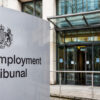
The government contends that the new rules simply extend the best practices of progressive employers to the wider economy. But, observers say, unless the employment tribunal backlog is addressed and clearer dismissal guidance is provided, businesses may respond by automating roles or reducing hiring altogether, potentially undermining the bill’s purpose of fostering fairer and more secure employment.

William Furney is a Managing Editor at Black and White Trading Ltd based in Kingston upon Hull, UK. He is a prolific author and contributor at Workplace Wellbeing Professional, with over 127 published posts covering HR, employee engagement, and workplace wellbeing topics. His writing focuses on contemporary employment issues including pension schemes, employee health, financial struggles affecting workers, and broader workplace trends.
- William Furney

- William Furney
- William Furney
- William Furney