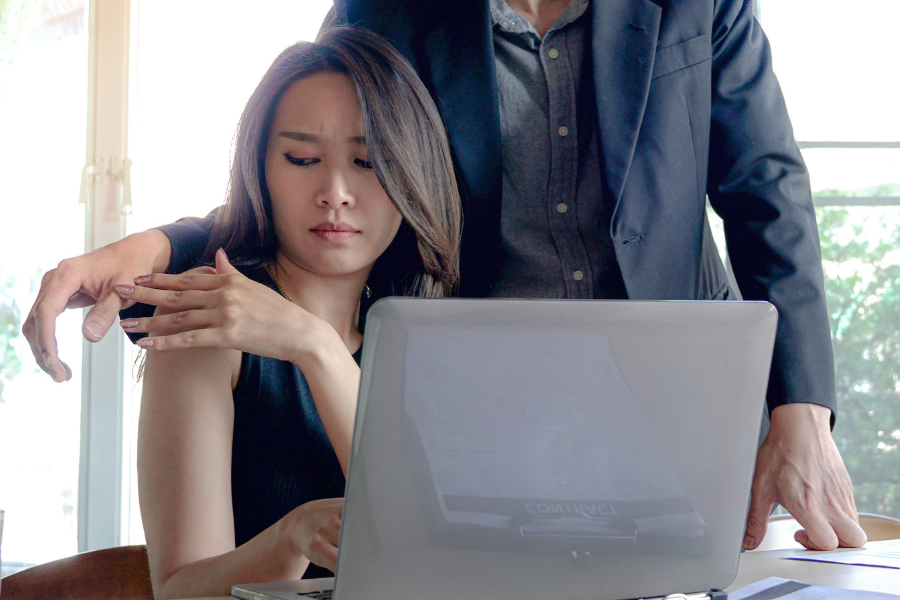
Employers will soon be barred from using non-disclosure agreements (NDAs) to prevent victims of workplace sexual misconduct or discrimination from speaking out. Under changes to the Employment Rights Bill, confidentiality clauses in settlement agreements that are intended to silence individuals from disclosing harassment or discrimination will be made void.
The Government has confirmed that the amendment is expected to become law later this year. Deputy Prime Minister Angela Rayner said, “We have heard the calls from victims of harassment and discrimination to end the misuse of NDAs. It is time we stamped this practice out – and this government is taking action to make that happen.”
She added, “The Employment Rights Bill will ban any NDA used for this purpose, so that no one is forced to suffer in silence.”
Employment Rights Minister Justin Madders said, “The misuse of NDAs to silence victims of harassment or discrimination is an appalling practice that this government has been determined to end. These amendments will give millions of workers confidence that inappropriate behaviour in the workplace will be dealt with, not hidden, allowing them to get on with building a prosperous and successful career.”

Campaigners welcome the amendment
Campaign group Can’t Buy My Silence has long been calling for this change. Zelda Perkins, founder of the campaign Can’t Buy My Silence UK, broke her own NDA agreement to speak out to accuse her former employer Harvey Weinstein of abuse.
More than 80 women in the film industry eventually accused Weinstein of sexual abuse, ranging from rape to sexual harassment. The disgraced film mogul has since been found guilty of sexual assault.
“This is a huge milestone, for years, we’ve heard empty promises from governments whilst victims have continued to be silenced, to see this Government accept the need for nationwide legal change shows that they have listened and understood the abuse of power taking place,” Perkins said.
“Above all though, this victory belongs to the people who broke their NDAs, who risked everything to speak the truth when they were told they couldn’t. Without their courage, none of this would be happening. This is not over yet and we will continue to focus closely on this to ensure the regulations are watertight and no one can be forced into silence again.
“If what is promised at this stage becomes reality, then the UK will be leading the world in protecting not only workers but the integrity of the law.”
Impact of the changes
Rob McKellar, Legal Services Director at Peninsula, told HR review, “While employers will still be able to settle discrimination and harassment issues, they will not be able to guarantee the details of the incidents involved remain confidential.”
McKellar noted that the amendment follows high-profile cases such as those involving Harvey Weinstein and Mohamed Al Fayed, where NDAs were used to conceal serious allegations of sexual misconduct.
“The government has been very clear; there is no place for harassment in UK workplaces,” McKellar said. “Other measures in the Bill, such as the increased requirements to prevent sexual harassment and an obligation to not permit third-party harassment against employees, as well as tightening of whistleblower protections, show just how seriously they are taking this.”
The changes are likely to prompt employers to review their workplace policies and culture. McKellar warned that simply having policies in place would not be sufficient.
“Ultimately, employers must ensure they have sufficient policies and processes in place to prevent any form of harassment from taking place,” he said. “But just having these policies in place is not enough. Employers also need to ensure they are fostering a culture of zero-tolerance to any behaviour that could be deemed as harassment across all levels of their business.”

Alessandra Pacelli is a journalist and author contributing to HRreview, where she covers topics including labour market trends, employment costs, and workplace issues.
- Alessandra Pacelli

- Alessandra Pacelli
- Alessandra Pacelli
- Alessandra Pacelli