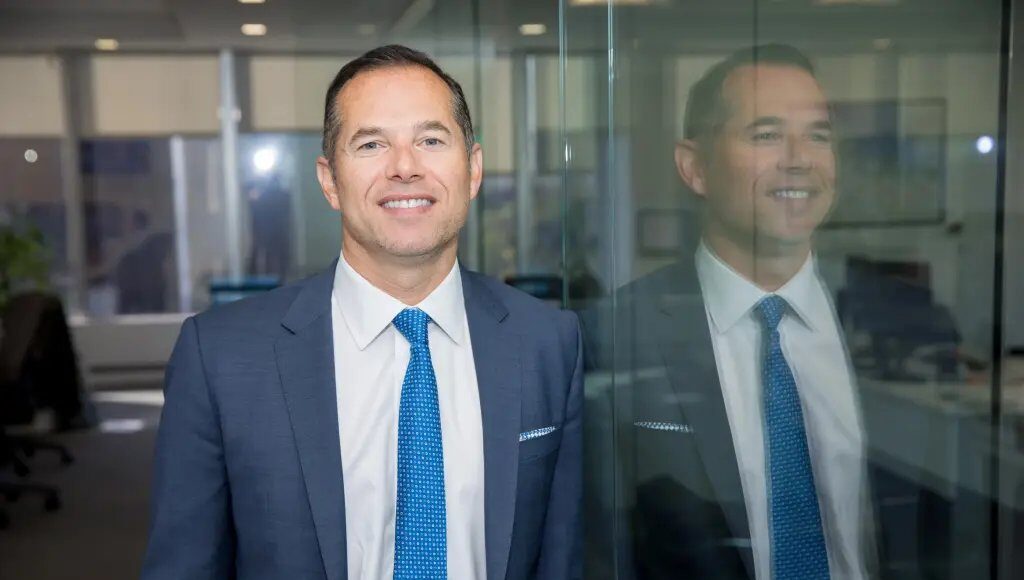
A co-founder of a US asset management firm has alleged he was dismissed after failing to comply with the company’s own return-to-office policy, in a legal dispute that has put leadership accountability and workplace mandates under the spotlight.
William Nieporte, who helped establish Bramshill Investments in 2012, claims his fellow co-owners used the firm’s office attendance policy as a pretext to remove him from the business and force the sale of his 12 percent ownership stake. Bramshill disputes the allegations, saying he was dismissed because of a dereliction of duty.
The case, first reported by The Wall Street Journal, centres on a five-day return-to-office mandate introduced in 2022, when the firm’s three co-owners jointly instructed employees to return to one of Bramshill’s offices or accept a severance package.
According to court filings, Nieporte signed the email announcing the policy but later argued he believed it applied only to employees, not to the firm’s owners and managers. At the time, he was living in San Ramon, California, while the nearest Bramshill office was in Newport Beach, several hundred miles away.

Dispute over office attendance
The policy required employees to return to the office from July 2022, with the company warning that those who chose not to comply would be offered severance.
Court filings state that after the deadline passed, Nieporte was told by one of his fellow co-owners that both junior and senior employees were commuting for more than an hour each way and questioned why he believed the policy should not apply to him.
Nieporte maintains that, as a company owner rather than an at-will employee, the mandate did not apply to him. He also alleges he was dismissed before the company had completed the process it had set out for dealing with the issue.
In a federal lawsuit filed in May against ADP TotalSource, the human resources company Bramshill partnered with, Nieporte alleges his dismissal was wrongful and that the return-to-office policy was used to remove him from the business and trigger the compulsory sale of his ownership stake.
He is seeking at least $30 million in lost earnings, profits and the value of his shareholding. Separate arbitration proceedings involving Bramshill, its parent company and his former co-managers are also continuing.
ADP said it would defend itself against the allegations and was complying with applicable laws, adding that termination letters were generated automatically once clients entered separation decisions into its system.
Bramshill rejected Nieporte’s claims, describing them as “fabricated accusations” and maintaining he was dismissed because of a dereliction of duty and was not entitled to the compensation he was seeking.
Leadership consistency
The dispute comes as many organisations continue to enforce return-to-office policies introduced after the pandemic, with some employers warning staff that persistent failure to comply could lead to disciplinary action or dismissal.
While those policies have largely focused on employees, cases involving founders or senior executives remain uncommon and raise broader questions about whether leaders should be held to the same standards as the workforce.
The case also underlines the importance of ensuring workplace policies are clearly drafted and consistently applied, particularly where there may be uncertainty over who they cover. HR professionals have long argued that leaders play an important role in reinforcing organisational policies by following the same expectations placed on employees.
The legal proceedings are continuing, with the courts expected to determine whether Bramshill’s return-to-office policy applied to Nieporte in his capacity as a co-owner and whether his dismissal was lawful.

William Furney is a Managing Editor at Black and White Trading Ltd based in Kingston upon Hull, UK. He is a prolific author and contributor at Workplace Wellbeing Professional, with over 127 published posts covering HR, employee engagement, and workplace wellbeing topics. His writing focuses on contemporary employment issues including pension schemes, employee health, financial struggles affecting workers, and broader workplace trends.
- William Furney

- William Furney
- William Furney
- William Furney