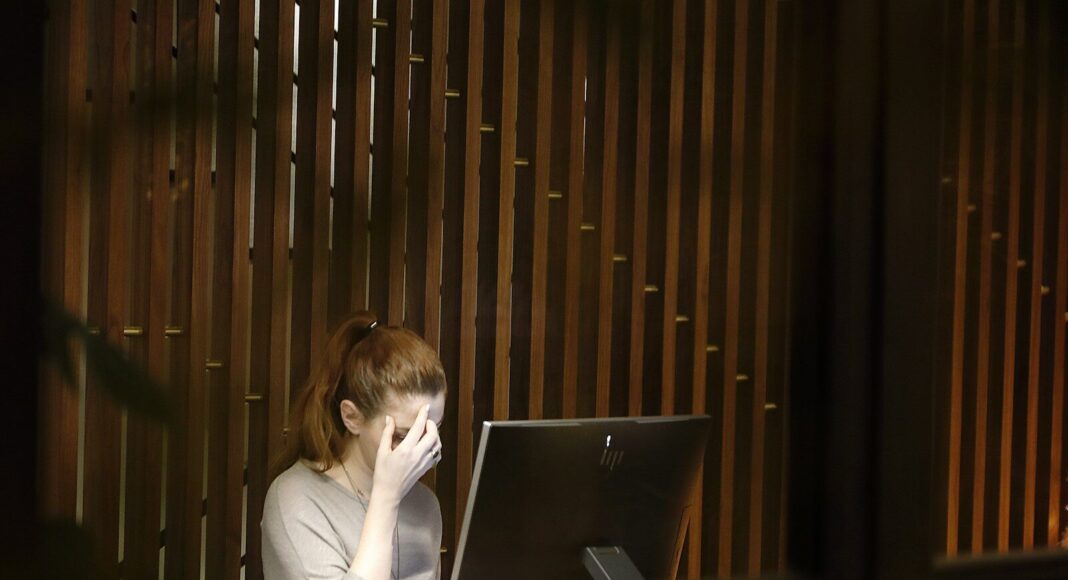
The term “burnout” is becoming more common when we talk about work. According to The Burnout Report 2025 by Mental Health UK, a staggering 91% of respondents reported they had experienced high or extreme levels of stress in the past year.
Burnout isn’t a medical diagnosis, but refers to a collection of symptoms. People may feel exhausted, lack motivation, be irritable with colleagues and others, feel anxious and see a drop in their work output and performance. A condition on the rise, we have a responsibly to support our staff.
Rather than waiting for employees to experience these problems, we take a proactive approach within our employees to help individuals identify what keeps them well at work and what may be a trigger or stressor that could lead to problems. We include the following questions in everyone’s yearly review:
- What are the things that contribute to my wellbeing?
- What are my responsibilities in ensuring I maintain good health and wellbeing?
- What support do I need from my manager?
There are several benefits to this process and these questions which may be a useful starting point for any organisation to have with its staff. Firstly, it opens up a conversation, allowing employees to talk to their line manager about concerns or difficulties they may have and helping managers understand where people need support and where potential issues could arise if not addressed early. It allows managers to look out for warning signs and have some knowledge of what can be done to prevent further deterioration.

It also provides an opportunity for people to really think about their health and wellbeing and develop self-awareness and understanding. What situations or events are likely to cause them increased stress or make them anxious? What do they need to do with regard to daily sleep, diet and exercise to stay well? Who are their support network when things get tough or busy? What activities are restorative for them – helping them replenish their energy levels and feel more resilient? It is important for people to understand where they get their resilience from and what they need to focus on when they are struggling.
These questions are also really important for managers at all levels and within all business sectors. Managing and leading people is challenging. I am sure I’m not the only manager who has come home from a day at work feeling like I’ve been in a boxing ring with Anthony Joshua. Knowing what you need at the end of that sort of day is essential too if you are to pick yourself up and get back in there the next day.
For some people, these are not the sorts of things they have given much thought to and consequently they struggle to identify both their triggers and their tools. Managers need to be equipped with ideas and suggestions that people can consider to come up with their own personal wellbeing tool kit.
The following are some of the types of questions that HR professionals may want to consider including in a review and as part of establishing a health and resilience plan:
- Where do they get their resilience? It is amazing how many people can’t answer this question. Most have never thought about it. It’s important that people understand what recharges them, keeps them going and helps them get through tough times. If people don’t know what works for them as individuals, they won’t have the knowledge and skills to employ these things when they start to struggle.
- Sleep – do they get 7-8hrs good quality, uninterrupted sleep a night? Are they staying up late binge-watching TV? What have they implemented to try and help with this?
- Exercise – are they doing something active on a regular basis? Do they exercise or, looking at the other side of this, are they actually doing too much and overtraining leading to a system that has no reserves?
- Relaxation – are they getting time to themselves to recharge or are they burning the candle at both ends?
- Support system – who do they lean on when they need help? Do they have people like that in their lives or are they struggling with loneliness. This can be the case for anyone, but it is more common for people who have just relocated or for older people who may have divorced or lost a spouse. It’s also important not to assume that just because someone is married, in a relationship or has a family that they have an effective support system. It’s really important to ask the question to give people the opportunity to talk if there is a problem.
- Diet – are they eating good quality food at regular or appropriate times, or are they living on highly processed junk food late at night? Are they drinking enough water? Do they have a water bottle on their desk?
- Work – are they taking regular breaks? Do they take a proper lunch break where they leave their desk and get outside in the fresh air? Do they feel organised at work? Is the working environment suitable for them? Do they have enough light? Is it too noisy for them? What are their relationships with work colleagues like?
- Home – is their home life organised or do they leave the house each morning in a complete rush? What can they do to feel more organised leaving the house?
With any area where people are struggling, it is important to ask – is this an easy win they would like some help and education on? What is the simplest thing to change? It is important people don’t try and change everything at once as this may actually add to their stress levels and make things worse rather than better.
One key aspect of this conversation is that it ensures employees recognise they have a role to play, and self-responsibility for, their own health and wellbeing. While an organisation can provide support for individuals, there are many things which influence wellbeing that only the employee can really address.
Discussing this at the start of someone’s employment and during yearly reviews ensures everyone is clear on expectations and where responsibilities lie.

Claire Small
Claire Small is the Chief Clinical Officer and Co-founder of Pure Sports Medicine. As well as delivering expert Physiotherapy programmes from Pure Sports Medicine’s Kensington Clinic, Claire is also an Honorary Lecturer and Examiner at Queen Mary University of London, Invited Lecturer at UCL and Kings College in London and University of Bath, and a national and international lecturer on manual therapy, spinal, hip, and pelvic pain. Claire’s written career includes being a journal reviewer for Manual Therapy and Physical Therapy in Sport, and The British Journal of Sports Medicine.