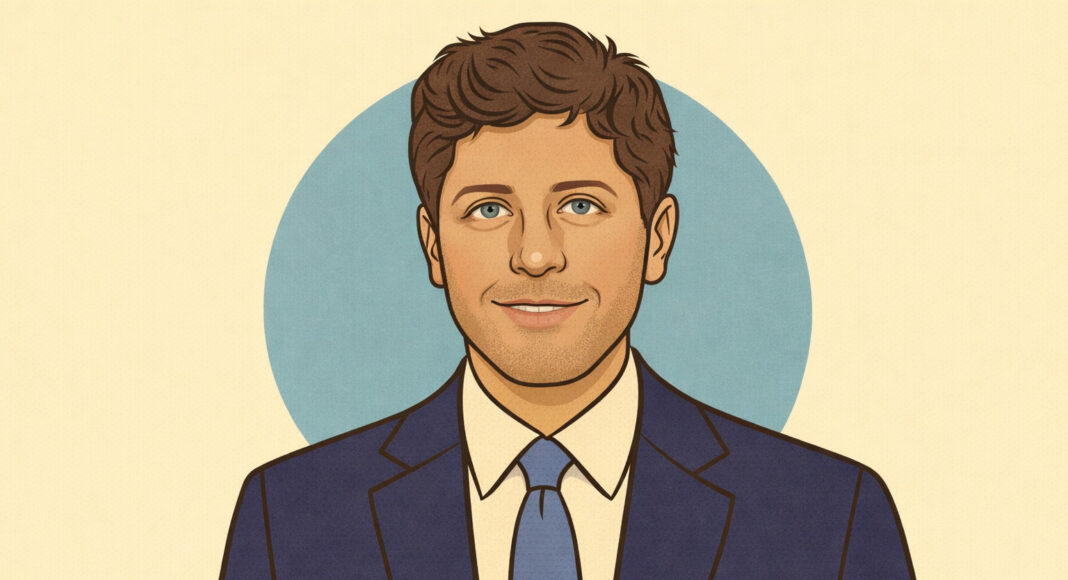
“AI superintelligence … would be capable of doing a better job being the CEO of a major company than any executive, certainly me.”
Context
Sam Altman, chief executive of OpenAI, the US artificial intelligence company behind ChatGPT, has been speaking publicly about the pace and impact of AI on jobs and leadership. At an AI summit in India last week, he addressed growing concern about how far automation could go, including whether even senior leadership roles are safe. His warning that “AI superintelligence… would be capable of doing a better job being the CEO of a major company than any executive, certainly me” reflects how rapidly expectations around AI capability are shifting.
Meaning
Altman’s statement pushes the debate beyond entry-level or routine roles and into the upper tiers of leadership. By suggesting that even CEOs could be outperformed, he reframes AI as a tool that challenges judgement, strategy and decision-making, not just repetitive work. The quote is less about immediate replacement and more about trajectory, signalling that no role is entirely insulated from technological change if AI continues to advance at its current pace.
Implications
The message raises deeper questions about what remains uniquely human in leadership. If decision-making, analysis and even strategic planning can be augmented or replicated by AI, organisations may begin to reassess how leadership is defined and evaluated. It also increases pressure on senior leaders to engage directly with AI tools rather than treating them as operational systems. Altman’s perspective, aired at an AI Impact Summit in New Delhi, suggests that credibility, adaptability and the ability to work alongside advanced technology may become as important at executive level as they are across the wider workforce.

William Furney is a Managing Editor at Black and White Trading Ltd based in Kingston upon Hull, UK. He is a prolific author and contributor at Workplace Wellbeing Professional, with over 127 published posts covering HR, employee engagement, and workplace wellbeing topics. His writing focuses on contemporary employment issues including pension schemes, employee health, financial struggles affecting workers, and broader workplace trends.
- William Furney

- William Furney
- William Furney
- William Furney