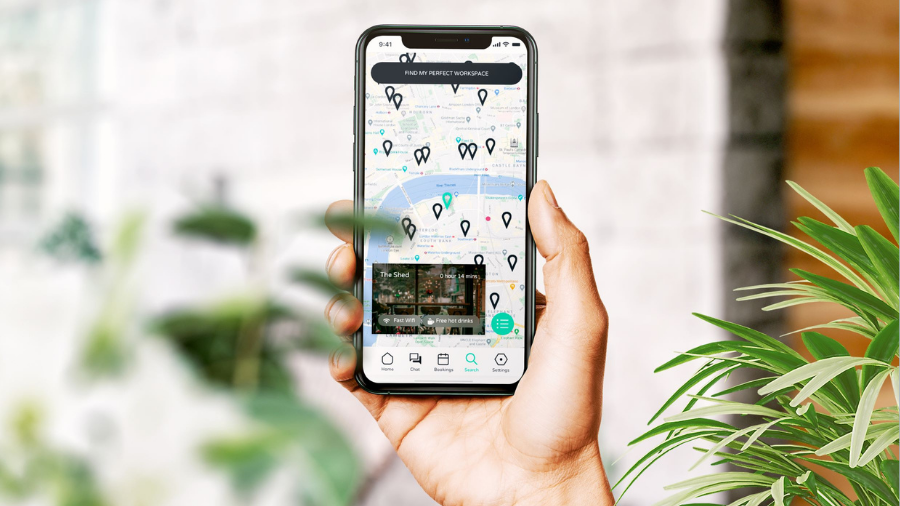
New app links home workers to workspaces

-

People who work remotely but don’t want to be at home can find a temporary workspace with a new app. 

Reef is not the first of its kind; Coworking Nomads, Workbar and Deskhop are just some of its competitors.

But Reef App says its users will usually get discounts on food and drinks at available workspaces, which are usually cafes, restaurants or hotels. 

More than 400 business users have pre-registered, with over 150 venues, including remote areas such as the south west.

HRreview Logo

Get our essential weekday HR news and updates.

This field is for validation purposes and should be left unchanged.
Keep up with the latest in HR...
This field is hidden when viewing the form
Optin_date
This field is hidden when viewing the form


According to the British Chambers of Commerce, there are almost 18.5 million employees who need a space to work. This is due to either being fully remote or a hybrid worker.

Reef conducted its own study, which  shows people prefer to work from a space that isn’t home, to protect their work/life balance.

Meanwhile, younger workers don’t have a space at home and are forced to work from their bedrooms

However, since these spaces can be expensive – between £150 – £1,500 a month – using workspace linking apps like Reef help employees get the work-life balance they crave.

Almost half of employees told Reef their working environment has a serious impact on their mental health (44 per cent). One in four (26 per cent) said their productivity varies greatly depending on their surroundings. They wanted to have the opportunity to work in different environments to help this.

Working somewhere that wasn’t home also helped 44 percent of employees who said they suffered with mental health issues; they said there was a positive impact being able to have face-to-face meetings with colleagues, suppliers or clients.


Feyaza Khan has been a journalist for more than 20 years in print and broadcast. Her special interests include neurodiversity in the workplace, tech, diversity, trauma and wellbeing.

Latest news

Vacancies rise but UK jobs market remains near five-year lows as salaries pass £44,000

UK hiring shows modest improvement as pay rises continue, but job competition remains high and entry-level opportunities stay limited.

Jo Kansagra: How business can get 20% more out of their employees

Stress is more than a wellbeing concern. When employees are burnt out, overwhelmed, and excessively busy it harms their motivation and productivity.

Is working from home really a career killer?

Jennifer Liston-Smith’s reflections on leadership, work-life blend and the meaning of work. With fierce debate for and against working from...

Aon’s – 2026 Human Capital Trends Study

This study, based on Aon’s 2026 Human Capital Trends Survey and insights from human capital specialists, equips senior leaders with the perspective needed to navigate this shift and unlock sustainable growth.
- Advertisement -

Menopause support gaps push women out of jobs as ‘masking’ takes toll

Women consider leaving jobs as menopause symptoms go unsupported, with many hiding their condition at work.

Workers ‘ignore AI tools and stick with manual tasks’ despite heavy investment

Employees are avoiding workplace AI tools and reverting to manual tasks, raising concerns about trust, usability and the value of tech investment.

Must read

Liz Walker: Why early intervention matters for workplace mental health

Liz Walker, HR Director at Unum UK explores how organisations can encourage employees to access the right mental health support as early as possible.

Lisa Dolan: Why workplace diversity is more important than ever post-Covid

"Diversity should be viewed as a company’s source of strength and progress –it will bring organisational performance, motivation, attraction of talent, and employee engagement."
- Advertisement -

You might also likeRELATED
Recommended to you