

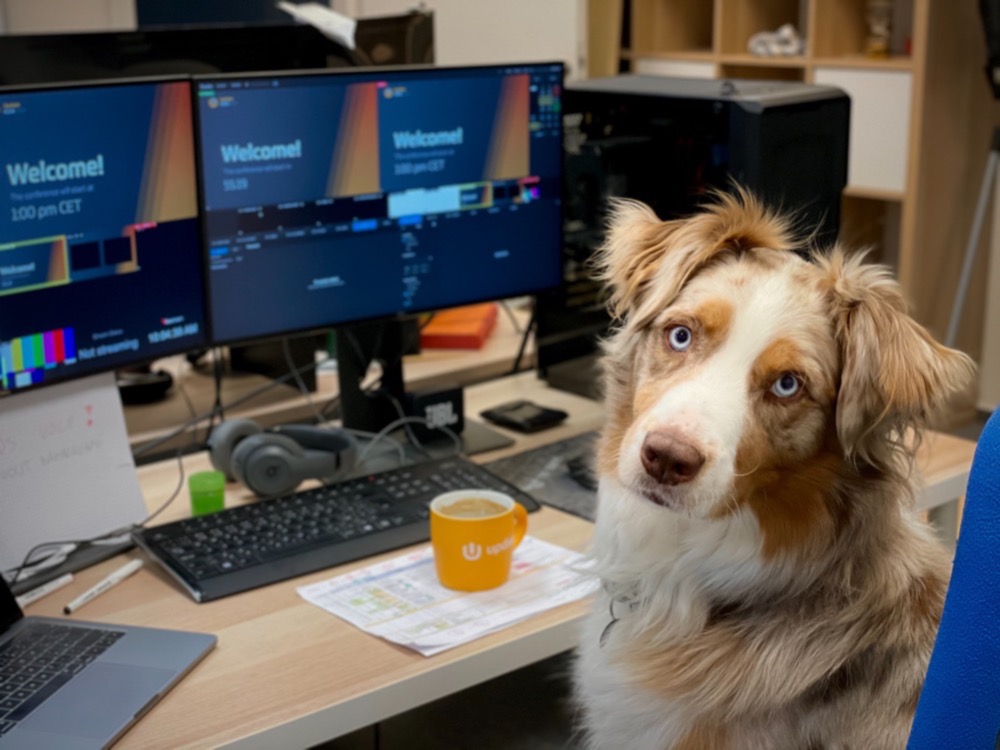
The number of job seekers expressing a preference for roles at companies with ‘dog-friendly’ offices has spiked between Christmas day and the week prior, thanks to puppy gifting over the holidays.
Between the 25th and 31st December, the number of job seekers expressing a preference for roles which come with a dog-friendly workplace increased by 58 percent compared to the week prior, according to flexible work specialists Flexa Careers.
Also, 19 percent of users job-hunting from Christmas day up until New Year’s Eve said that they would prefer a role which came with a ‘dog-friendly’ office.
This was up from 12 percent of users who expressed a preference for dog-friendly workplaces between the 18th and 24th December.

Dog-friendly offices: yay or nay?
December traditionally sees a spike in UK households welcoming new puppies or dogs. The Dog’s Trust has previously reported that online searches for puppies can rise by up to 44 percent in the run-up to Christmas.
But their need for regular walks, company, and, in the early days, house training, means pet ownership can often be incompatible with 9-5 office culture. Now, we’ve seen an increasing number of companies have been responding by ensuring staff can bring pooches into the office.
Molly Johnson-Jones, CEO & co-founder of Flexa Careers (and owner of dog Gruff), comments:
“Getting a new puppy at this time of year is really common, but lots of people underestimate the day-to-day responsibilities that come with dog ownership. Having a genuinely flexible job or being able to take your dog into the office can therefore make a huge difference to people with new pups. I’m not at all surprised to see the number of searches for dog-friendly workplaces spike so quickly from Christmas day onwards. More and more people are putting flexibility at the heart of their job search; they’re not willing to conform to rigid workplace expectations anymore, especially when flexibility improves productivity and work-life balance. Companies who are recognising this are attracting more talent as a result.”
Michelle Wood, HR Business Partner at Sift, comments:
“I believe having a dog-friendly office is great for staff morale, our people love it when we have a dog join us for the day and the dogs get showered with attention. For me, dog-friendly offices have so many benefits. The first is the most obvious, who doesn’t love a dog?! On a more serious note, having the dogs in the office really helps reduce stress, and being a sense of calm to an office, they’re also great at making sure people are getting up out of their chairs semi-regularly and getting out for some fresh air.
“Taking the dog out in between calls really helps me switch off for 5 minutes, and de-stress before my next call. It also removed the stress of leaving the dog at home for long periods of time or the cost side of having to get a dog walker in during the day to make sure they’re not alone – being able to bring them along makes life so much easier when we do need or want to be in the office to connect with colleagues.”

Amelia Brand is the Editor for HRreview, and host of the HR in Review podcast series. With a Master’s degree in Legal and Political Theory, her particular interests within HR include employment law, DE&I, and wellbeing within the workplace. Prior to working with HRreview, Amelia was Sub-Editor of a magazine, and Editor of the Environmental Justice Project at University College London, writing and overseeing articles into UCL’s weekly newsletter. Her previous academic work has focused on philosophy, politics and law, with a special focus on how artificial intelligence will feature in the future.
- Amelia Brand

- Amelia Brand
- Amelia Brand
- Amelia Brand








