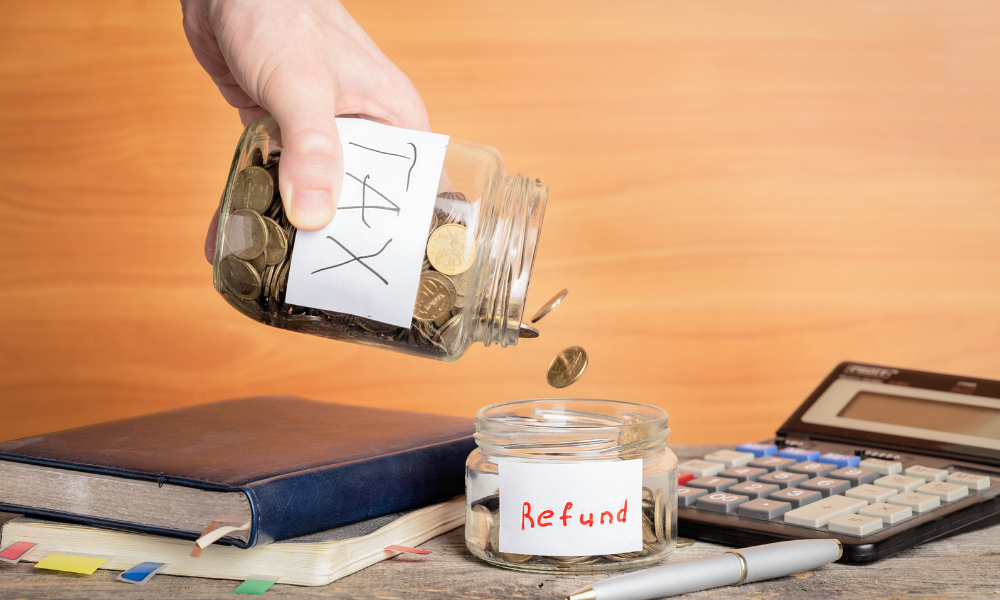
People don’t realise how much they’re owed in tax refunds

-

People may be owed thousands of pounds in tax refunds, but don’t realise it because they working full time.

The average applicant is missing out on £2,500 over an initial four-year claim and close to nine hundred pounds per annum, thereafter according to data from RIFT, tax refund specialists.

Those in construction, security, offshore oil, and gas or within the armed forces are likely to be most affected.

But it is not just those working on a self-employed basis that could be due a refund. 

HRreview Logo

Get our essential weekday HR news and updates.

This field is for validation purposes and should be left unchanged.
Keep up with the latest in HR...
This field is hidden when viewing the form
Optin_date
This field is hidden when viewing the form


Those fully employed within the construction industry could also be owed a considerable sum, £1,244 on average, according to RIFT.

CEO of RIFT Tax Refunds, Jan Post, said: “The thought of tackling the taxman can be a daunting one and so the vast majority of us don’t even consider whether or not we could be owed a tax refund, particularly when working within full-time employment.”

But, she said people do not consider the expenses they may have paid out while working, which would mean they are owed a rebate, “such as travel between numerous sites of work, related meals, or overnight accommodation.”

Ms Post acknowledges that these expenses are more prominent within certain sectors, but said:  “We frequently work with employees from all areas of life who find they are owed a considerable refund that would have otherwise gone unclaimed.”

Tough year for many as rents and utilities spiral

The report highlighted that many may be paying more than they should

The cost of living will continue to rise with rents going up by nearly a thousand pounds. The situation is caused by a substantial increase in utility bills.

Taxes make up a significant portion of people’s annual expenses, with the average person in the UK, paying nearly £ 6,400 per year.

Feyaza Khan has been a journalist for more than 20 years in print and broadcast. Her special interests include neurodiversity in the workplace, tech, diversity, trauma and wellbeing.

Latest news

Govt unveils visa support scheme to help scale-ups hire global talent

Fast-growing firms will receive visa fee support and recruitment assistance under plans designed to help businesses attract international talent and expand.

Employment tribunal roundup: Disability testing, discrimination evidence, procedural fairness and training access

Recent EAT rulings examine disability discrimination, religion and belief claims, procedural fairness and access to workplace training opportunities.

Half of grieving workers handle ‘death admin’ during work hours, study finds

Many bereaved employees are managing probate, pensions and financial paperwork during working hours, with four in five saying it affects their ability to work.

Lauren Webb: Empowering women to lead the way in analytics and AI

Women remain wildly underrepresented in technical and digital leadership, making up just 22% of the UK’s AI talent. It’s jarring.
- Advertisement -

Employers urged to balance flexibility and fairness as England’s World Cup campaign begins

Employment lawyers are advising organisations to plan ahead for leave requests and workplace flexibility as the 2026 FIFA World Cup gets under way.

Amy Coleman on uncertainty and pressure at work

“Many of you shared feelings of uncertainty and pressure as the work evolves.”

Must read

Hannah Robbins: Accommodating religion in dress codes at work

The way we choose to look and dress is seen as a way of expressing our personalities and beliefs. In the UK we have a lot of freedom around what we can wear in public but the issue around workplace dress codes, specifically in reference to religious beliefs, remains a controversial and difficult area to navigate.

Tim Kingsbury: Investigations into sexual harassment

The flood of accusations of sexual harassment against film producer Harvey Weinstein is making organisations of all kinds very nervous: a figure central to an entire industry, with a long-standing reputation, reduced in days to a target for ridicule.
- Advertisement -

You might also likeRELATED
Recommended to you