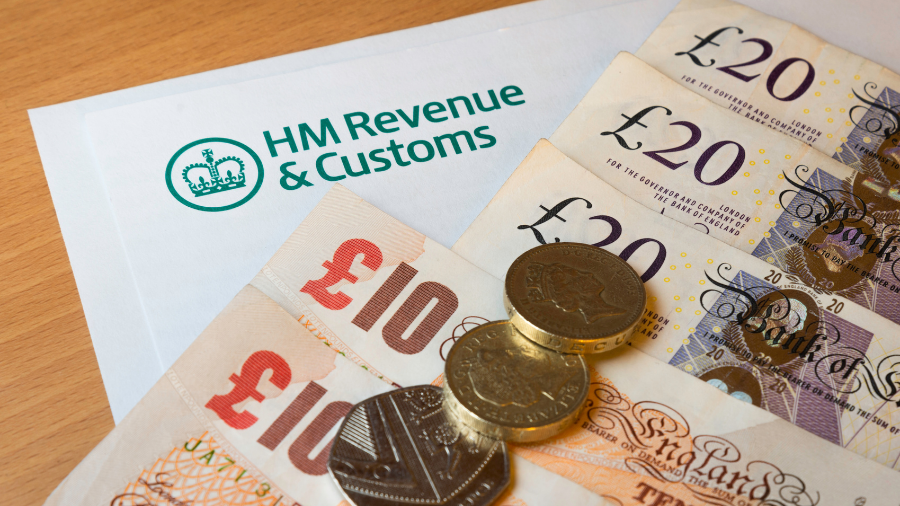
More than 200 employers have been named and shamed by the government for not paying minimum wage.
It comes after investigations by HMRC between 2014 and 2019.
According to the government, besides being in clear breach of National Minimum Wage (NMW) law, it leaves around 12,000 workers out of pocket.
Small and large companies named
The global firm, Hays Specialist Recruitment was named for failing to pay £8,987.62 to 450 workers.

Clarks, the shoe store, which has been plagued by workers strikes in recent months was also on the list. The full list is below this story.
The government says the ‘naming and shaming’ is to remind companies that ‘no employer is exempt from paying their workers the statutory minimum wage.’
Paul Scully the Minister for Labour Markets said: “We want workers to know that we’re on their side and they must be treated fairly by their employers, which is why paying the legal minimum wage should be non-negotiable for businesses.”
The businesses named have since had to pay back what they owe to staff and also face significant financial penalties of up to 200 percent.
Businesses under more scrutiny than ever
Kate Palmer, HR Advice and Consultancy Director at Peninsula says companies are under more scrutiny than before and must get their payments to staff right.
“Given the complexity of minimum wage regulations, it’s beneficial for organisations to pro-actively undertake regular audits, to identify any mistakes or concerns and make the necessary adjustments without involvement from HMRC.
She added: “Paying staff correctly is fundamental in ensuring a positive company culture, and protecting motivation, productivity and retention levels across the workforce.
Mr Scully added: “ With Christmas fast approaching, it’s more important than ever that cash is not withheld from the pockets of workers. So don’t be a scrooge – pay your staff properly.”
National Living Wage still below Real Living Wage
The government’s current National Living Wage is set at £8.92, which will rise to £9.50 in April 2022.
This is still below the Real Living Wage which went up to £9.90 across the country, and to £11.05 in London last month.
Meanwhile, Ms Palmer said: “Any expense incurred in connection with employment should not cause an employee’s pay to fall below the national minimum wage, regardless of whether the expense was a choice or if alternative options were available.”
The government admits that not all minimum wage underpayments are intentional, but says there is no excuse for underpaying workers.
HMRC is also reminding employers that it considers all complaints from workers.
—-
For a full list of named employers, click here. (MS Excel Spreadsheet, 49.3 KB)

Feyaza Khan has been a journalist for more than 20 years in print and broadcast. Her special interests include neurodiversity in the workplace, tech, diversity, trauma and wellbeing.
- Feyaza Khan

- Feyaza Khan
- Feyaza Khan
- Feyaza Khan