

When it comes to equality at the top, UK organisations are still not faring well new research* recently revealed. While admittedly some progress has been made, with more women now occupying positions in the boardroom, women still only fill 33% of boardroom positions across the FTSE 350, and when it comes to executive positions, that falls to just 13%. And the problem doesn’t stop at the top. It runs down across all levels. In fact, last year, the gender pay gap was shown to widen†.
Yet, the importance of diversity is unquestionable. If the impact on your workplace environment and your employees themselves is not motivation enough, research even proves the financial case for having a more diverse workforce. Beyond ensuring that your organisation does not become an echo chamber of the same opinions and ideas (which is currently even more crucial when faced with unknown and unprecedented situations), research** shows that those companies with more diverse employees at the top also perform better financially.
The question then is why is there still such disparity? In fairness, it is not from a complete lack of trying. Diversity is now very much on organisations’ radars; increasingly more and more
organisations are appointing the likes of diversity officers and have diversity quotas in place. But therein seems to lie the problem. Too many businesses are still talking about how to better address
diversity, discussing possible measures to put in place but not taking any real action. Not to mention, when they do, sometimes, misplaced beliefs can in fact end up doing more harm than good.
Dispelling diversity myths

As organisations look to introduce new initiatives and to better support diversity and inclusion, the offering of special treatment can in fact demonstrate that a person is different and can reinforce
(albeit subconsciously) a perception that somehow that person may also not be equal to others.
Quotas can end up having the same negative effect, resulting in the opposite to what you intended. Women may feel like they only received that executive position to be the token female in the room. They may feel like they are not there because they bring value to the table but are simply ticking that important corporate box.
When hiring a Chief Diversity Officer, for example, the responsibility to create an organisation that values true diversity should also not be placed just on that one individual. Rather, it should be a joint venture – other members of the C-level and senior management should be just as motivated and involved to make this a priority and provoke real change.
Contrary to seemingly popular belief, you cannot recruit your way out of the problem either. These issues need to be addressed internally before you can look outwards to try and improve moving
forward. So, how should organisations be looking to tackle diversity instead?
Little less conversation, little more action
Review your internal processes and honestly look at whether these are conducive to a culture of fairness and equality. For example, how do you outline steps for promotions or bonuses? Are these
simply down to the subjective opinion of one manager or for each organisational level are there clearly defined objectives and goals that have to be fulfilled? If not, put these in place. By setting out
‘laws’ for all, you are on your way to ensuring that everyone is not only treated equally but is also empowered and in control of their own development and career.
When you do look to recruit, make sure to review how you promote and advertise those roles. Particularly for those top positions, are you relying on channels aimed at just one particular
demographic or even word of mouth from your current c-level and senior management? If so, the odds are you will end up with a similar version of themselves. It’s important to also scrutinise your actual job specs – you may not realise it, but simply the language you use could put off certain great candidates. For example, using the phrase ‘the perfect candidate’ can be an immediate red flag.
Most importantly, it is about changing mindsets to create a true culture of diversity. Don’t just say your business has an open culture, show it. Invite your employees to speak up and share their
thoughts, allow them to ask the potentially tricky or difficult questions, or even tease out why they may be resistant to these changes. While employees may be initially hesitant, there are plenty of
means to keep these discussions anonymous if desired, through the use of external platforms or apps. Just make sure that you do listen and respond to the feedback in turn.
To further aid this, businesses also need to be offering training for all. This should not just be about outlining what people can and cannot do or say in the workplace; it must go deeper than that. It is about making everyone aware of the reasons why these may not be acceptable and helping people to see things from a different perspective. This will also help your business, avoiding, as said before, everyone simply repeating and sharing the same thoughts and ideas but bringing in new concepts and suggestions.
Organisations do still have a way to go when it comes to diversity and inclusion, but the first steps have been taken, recognising the importance of this issue and making it a business priority. Now, to introduce and implement real change, the right next steps need to be taken to ensure you break the
cycle and instead head on a clear forward path.
*https://www.theguardian.com/business/2020/sep/24/lack-of-women-in-top-british-corporate-roles-persists-study-shows
†https://inews.co.uk/news/business/gender-pay-gap-widening-younger-workers-356417
**https://www.mckinsey.com/business-functions/organization/our-insights/is-there-a-payoff-from-top-team-diversity

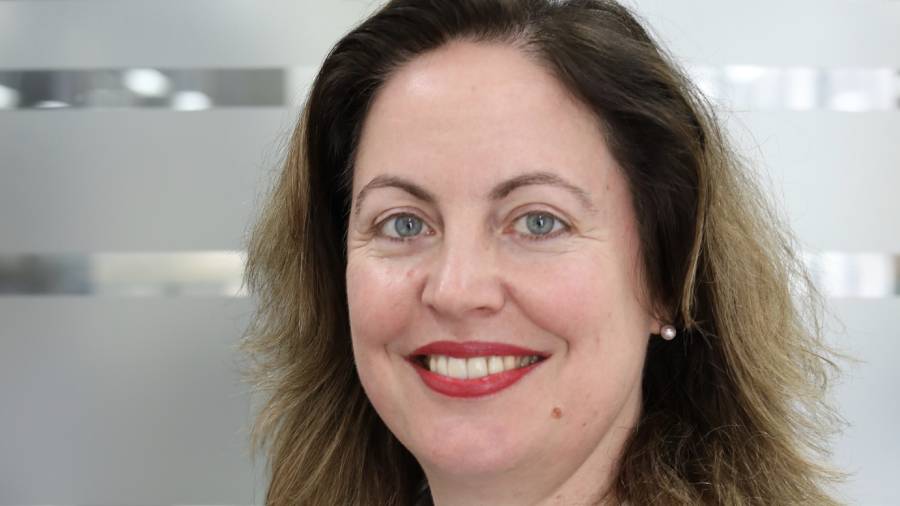
Alexandra Anders is an innovative HR leader and currently Senior Director of Talent at Cornerstone OnDemand. With over 10 years’ experience in a diverse range of industries, her particular expertise lies in the implementation of successful change management and performance management tools. She is passionate about diversity, inclusion, effective training, development and recruitment processes and also highly competent at implementing strategic HRM, with a focus on driving performance and retaining talent in the global economy.




