

The 12th April marks a significant day for many UK businesses – it sees non-essential companies opening their doors for the first time in months. However, with a sudden transition for employees within sectors such as retail and hospitality, how can HR support their staff as they return to work?
As part of the Government’s roadmap out of lockdown restrictions, the 12th April 2021 is a day where many non-essential businesses will be re-opening for the first time since the third national lockdown began.
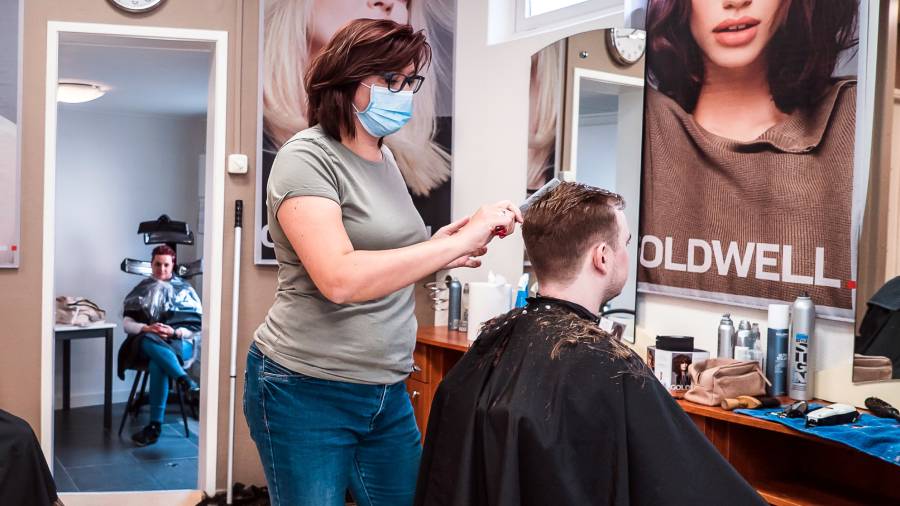
Gyms, hairdressers, beauty salons, shops, restaurants and pubs are all permitted to be open from today for the first time since 2020. However, this is still dependent on businesses closely following COVID safety guidelines and is subject to change based on the number of COVID-19 patients admitted to hospital.
As such, many workers within the retail and hospitality sectors will be facing an intense first week, with little time to ease themselves in to the sudden change. So, how can HR assist these staff?

Protecting staff against abuse
According to a report carried out by the Union of Shop, Distribution and Allied Workers (USDAW), since the beginning of the coronavirus outbreak, the number of retail staff reporting abuse has doubled compared to figures from the year prior.
Additionally, the average shop-worker had been assaulted, threatened or abused every 6.5 days. Out of a total 4,928 shop workers surveyed, 3,069 had reported being abused (62 per cent), 1,426 reported being threatened (29 per cent) and 196 said they had been physically assaulted (4 per cent) whilst at work.
As such, HR have a duty of care to protect employees whilst carrying out their role. This can come in the form of clearly briefing managers on how to deal with incidents of conflict that may arise. The CIPD have also encouraged employers to promote resources available to support staff’s health and wellbeing generally, including through an employee assistance programme. If the Assaults on Retail Workers (Offences) Bill is formally passed, employees will also have legal protection against abusive behaviour whilst undertaking their role.
Furloughed employees
ONS statistics showed that almost 1 million people (938,500) within the wholesale and retail sectors and 1.15 million employees within the accommodation and food services sector were placed on furlough by the 31st January 2021.
Therefore, this sudden shift back to work from today (the 12th April) will be a significant change for many staff.
Again, the CIPD have stressed the need for a re-induction process which could help to alleviate stress or anxiety staff are feeling about returning back to work. This involves discussing new company policies and procedures and how work duties may have changed since the staff member was last at work.
In addition to this, the body state that rebuilding connections and a strong company culture must be “a priority” for businesses. This will allow a faster adaptation when it comes to returning to the workplace.
The CIPD also suggest that this could be a good opportunity to streamline traditional processes which could include a phased return to work, ensuring that the staff member can ease back into the role slowly.
Recognising staff effort
According to a recent study by YOOBIC, a frontline digital workplace platform, a third (32 per cent) of retail staff say they do not feel recognised in their roles.
As such, a quarter (24 per cent) reported feeling unempowered when it comes to their job.
During a time where public-facing staff are subject to potential abuse and the risk of catching COVID-19, it is important for HR to recognise staff effort which will ultimately improve employee experience.
This can be carried out in many different ways including remuneration, offering staff benefits or managers recognising staff efforts verbally. It will be HR’s role to find ways to ensure staff consistently feel appreciated which will lead to better talent retention in the long-term.

Monica Sharma is an English Literature graduate from the University of Warwick. As Editor for HRreview, her particular interests in HR include issues concerning diversity, employment law and wellbeing in the workplace. Alongside this, she has written for student publications in both England and Canada. Monica has also presented her academic work concerning the relationship between legal systems, sexual harassment and racism at a university conference at the University of Western Ontario, Canada.
- Monica Sharma

- Monica Sharma
- Monica Sharma
- Monica Sharma








