
HRreview 20 Years
This field is for validation purposes and should be left unchanged.
Subscribe for weekday HR news, opinion and advice.
This field is hidden when viewing the form
Optin_date
This field is hidden when viewing the form

Manufacturers likely to turn to temporary labour

-

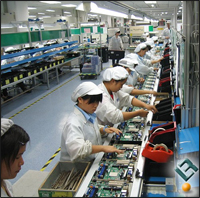
The UK manufacturing sector is likely to turn to temporary recruitment due to poor visibility on how the sector is likely to fare, according to Chris Williamson, director and chief economist at Markit.

The latest data from Chartered Institute of Purchasing and Supply (CIPS)/Markit shows UK industrial production was down 1.5% in the last quarter (March to June) compared to the previous three month period, with manufacturing down 0.2%.

Industrial production rose 0.9% in May, offsetting a 1.7% decline seen in April. Manufacturing saw a strong 1.8% rise in June, though this also needs to be looked at in the context of the 1.5% fall seen in April.

Williamson told Recruiter: “The rate of growth in manufacturing has cooled very significantly since earlier in the year. We were seeing good payroll growth then. Over the next few months what we are likely to see is firms becoming increasingly reluctant to take on extra staff. Those that they do take on, they will be tempted to take on as temporary or contract workers.

HRreview Logo

Get our essential weekday HR news and updates.

This field is for validation purposes and should be left unchanged.
Keep up with the latest in HR...
This field is hidden when viewing the form
Optin_date
This field is hidden when viewing the form


“Firms are operating under flexible conditions because there is uncertainty about the next 12 months. I think that despite AWR [Agency Workers Regulations] legislation, companies will continue to have workers on short-term contracts and see how the next few months go.

“There is so little clarity at the moment in terms of both domestic demand that they will be tempted to hold off hiring permanent employees, and if it means using staff for less than three months, then so be it.”


Latest news

Felicia Williams: Why ‘shadow work’ is quietly breaking your people strategy

Employees are losing seven hours a week to tasks that fall outside their core job description. For HR leaders, that’s the kind of stat that keeps you up at night.

Redundancies rise as 327,000 job losses forecast for 2026

UK job losses are set to rise again as redundancy warnings hit post-pandemic highs, with employers cutting roles amid rising costs and economic pressure.

Rise of ‘sickfluencers’ and AI advice sparks concern over attitudes to work

Online influencers and AI tools are shaping how people approach illness and employment, heaping pressure on employers.

‘Silent killer’ dust linked to 500 construction deaths a year as 600,000 workers face exposure

Hundreds of UK construction workers die each year from silica dust exposure as a new campaign calls for stronger workplace protections.
- Advertisement -

Leaders ‘overestimate’ how much workers use AI

Firms may be misreading workforce readiness for artificial intelligence, as frontline staff report far lower day-to-day adoption than executives expect.

Cost-of-living pressures ‘keep unhappy workers in their jobs’

Many say economic pressures are forcing them to remain in jobs they would otherwise leave, as pay and financial stability dominate career decisions.

Must read

Derek Kelly: Handling HR disputes with contractors and freelancers

First things first, allow me to be clear. Contractors...

Karen Fletcher: Employers beware: difficult pay conversations ahead

“Britain needs a pay rise”. This is the slogan...
- Advertisement -

You might also likeRELATED
Recommended to you


