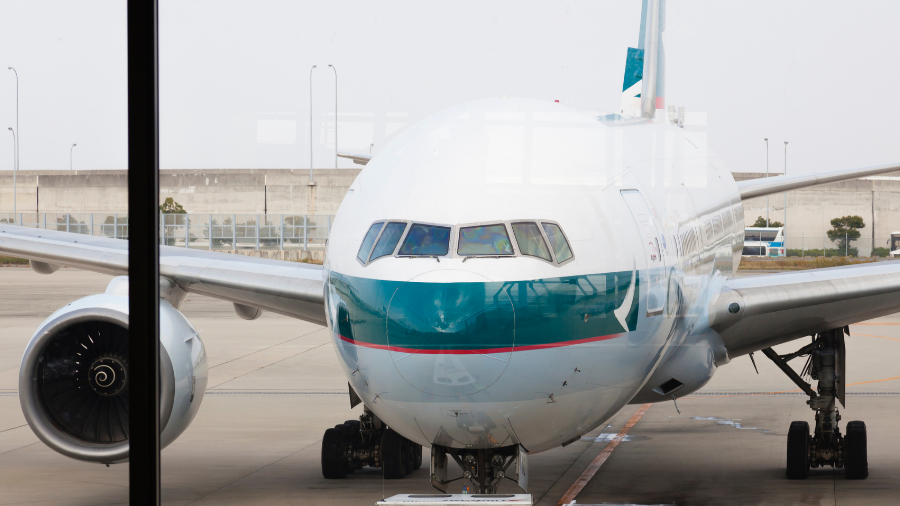
The airline, Cathay Pacific, has been unable to continue with its plan to hire hundreds of pilots after a mass exodus in November last year (2021), due to strict quarantine rules in Hong Kong.
It has been reported that morale amongst the airline’s flight crew had been low due to the issues surrounding the pandemic, especially when flying into and out of Hong Kong, due to what’s been described as the city’s ‘permanent quarantine’.
Crews flying to Hong Kong have to spend a week in hotel quarantine before being allowed to return home. However in November, three Cathay Pacific pilots who tested positive for Covid breached the regulations by leaving their hotel rooms. This led to 130 other pilots who had stayed at the same hotel being forced to isolate in Hong Kong for 21 days, which caused the mass exodus.
Looking to incentivise pilots, Cathay Pacific started to offer bonuses last week of around £2,700 to those who would fly to Hong Kong in so-called ‘closed loops’. This is when crews spend a few weeks either quarantining in a hotel or working before being allowed to return home.

Bloomberg reports that at a company town hall this week, senior executives said there are still pilots leaving and the firm needed to consider its hiring options.
The company said its recruitment activities have generated interest from pilots across the world. Part of its plans include training 140 new cadets, taking on ex-graduate aircrew and rehiring pilots from its inoperative sister company, Cathay Dragon by the end of March.
Airlines in general have reported there is a global shortage of talent in the industry, especially as many senior pilots were offered early retirement at the start of the pandemic. This was an attempt to curb costs due to senior pilots’ salaries being significantly higher than new recruits. Furthermore, not all major airlines have cadet programmes and due to the expense of pilot training, many individuals who aspire to the role are unable to fund the cost of exams, fuel and flight time.

Feyaza Khan has been a journalist for more than 20 years in print and broadcast. Her special interests include neurodiversity in the workplace, tech, diversity, trauma and wellbeing.
- Feyaza Khan

- Feyaza Khan
- Feyaza Khan
- Feyaza Khan