

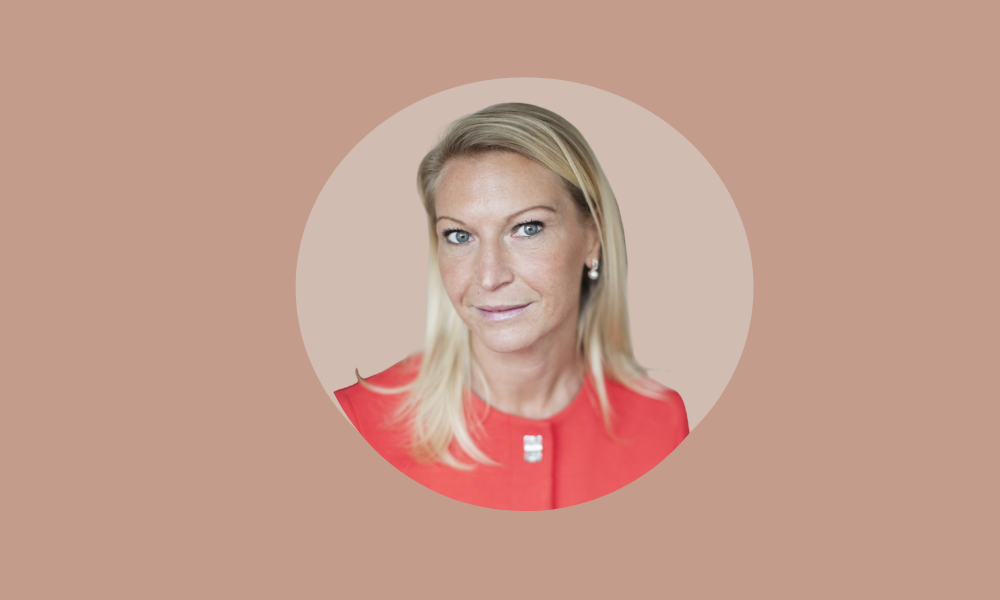
All too often, writes Hanne Engberg, annual appraisals and periodical reviews are met with a sense of dread.
Managers think they’re a huge time suck, line-managers think they’re a nauseating process of filling in endless self-congratulatory forms, and employees find the whole process a demoralising experience.
What’s more, after hours of time being spent agonising over reviews, the documents themselves create a huge paper trial and simply end up gathering digital dust – in many cases never to be seen again.
So, six years ago, I thought that there had to be a better way of going about this.

We advised our management staff to switch away from formal reviews and to adopt a far more informal approach. A simple chat, preferably twice a year over lunch or a walk, with no paperwork requirement from HR.
It should be noted that these reviews are still a thorough process. HR provides a list of questions and topics to the people leaders to help guide the conversations.
Several years on and we are not looking back
Medius has tripled headcount over the last five years, and globally our churn is less than 10 percent, while “regrettable staff losses” are below 5 percent. Added to this, we have a steady stream of employees who are returning to Medius after leaving, chiefly because they miss the culture and colleagues.
This speaks volumes for the work environment and company culture that we are building here, and the review process is just one small albeit important component. For instance, in the latest yearly staff satisfaction survey, when asked how much employees trust their manager and if they feel their manager trusts them, the response was an impressive 5.4 out of 6.
Moreover, the switch in approach has certainly supported our response to the COVID-19 pandemic and all the disruption brought with it. As a business we were prepared not least because there was already trust and collaboration between employees and managers, and we believe that culture and talent go hand-in-hand. Building a remote-first global workforce with a strong culture is undoubtedly a challenge, and we wanted to establish innovative approaches to talent development that put our employees in the driving seat.
The business case has been proven, too. What has allowed Medius to triple headcount over the past five years has been a strong financial performance. Between 2020 and 2021 alone, revenue increased by 50 percent, and we have plans to hire another 100 people by the end of this year.
Our job as culture curators is never complete
Now we’re operating with a remote workforce, it is more important than ever to place trust at the front and centre of our HR strategy. That means continuing to monitor our current processes and innovate new ideas – you never know when the next game-changer might be around the corner.
—–
Hanne Engberg is the Senior Vice President of HR at Medius

Hanne Engberg is Senior Vice President of HR at Medius, where she leads human resources strategy and organizational development. With expertise in process and project management focused on business optimization, Engberg specializes in creating structure, coherence, and measurable results through effective project leadership. Her professional focus encompasses workplace culture, employee experience, and performance management practices. She has contributed thought leadership to industry publications including HRreview, where she has written about improving annual appraisals and performance review processes to enhance employee engagement and reduce workplace anxiety. Based in the Stockholm region, Engberg brings extensive experience in HR operations and organizational transformation.






