

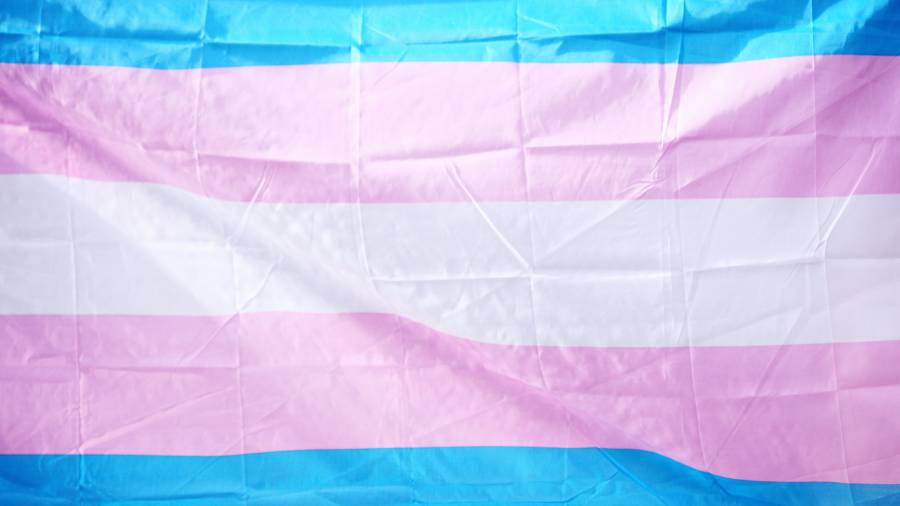
In a survey of 410 workers, two-thirds of transgender employees have had to hide their identity at work in comparison to just over half of workers who did the same five years ago.
A new survey by Totaljobs highlights that almost two-thirds (65 per cent) of transgender workers say they feel it is necessary to hide their trans status in the workplace.
This raises questions of how HR can better support these employees as only half of transgender workers (52 per cent) felt the need to conceal this part of their identity when the same survey was conducted in 2016.
Finding employment is harder due to who they are, according to over half of employees surveyed (56 per cent). As such, half confessed that they do not reveal their trans status when applying for a new role.

This may be explained by the significant levels of discrimination reported by transgender employees, with one in three (32 per cent) having experienced discrimination at work over their status over the last five years.
In specific, the most commonly experienced forms of abuse cited by the respondents include bullying or insults (32 per cent) and colleagues deliberately misusing pronouns (30 per cent). Over a quarter (27 per cent) also cited ‘deadnaming’ as a frequent form of discrimination, where people are consciously called by the former name that was used prior to coming out as transgender.
Remote working has proved to be a respite for many transgender employees with almost a third (31 per cent) citing a rise in confidence. A fifth (20 per cent) said working from home removed the microaggressions they typically experience at work.
Due to this, there are key ways in which this group desire more support in the workplace.
Under one in three (29 per cent) stated that their workplace had gender-neutral facilities and less than a quarter (24 per cent) said their work offers information on trans issues, leaving room for raising awareness and creating an inclusive environment.
In addition, only a third (33 per cent) of trans workers state their employers have dedicated anti-trans discrimination policies for trans employees in place. Over a third (36 per cent) of trans workers are not aware of any official process for them to report discrimination whilst at work, meaning many are lacking routes to keep themselves safe from harrassment at work.
Despite this, HR has generally been an effective source of support for transgender employees with half of those who transitioned at work expressing that the support offered was ‘good’ or ‘very good’.
However, almost a fifth of people (18 per cent) received no support from HR when medically transitioning and 19 per cent did not receive support when undergoing a social transition.
Jon Wilson, CEO of Totaljobs, expressed the need to create an inclusive company culture in order to support transgender staff:
Having a situation where any employee feels that they have to hide who they are in the workplace, or even decide to leave a role as a consequence of not feeling accepted, is simply wrong. To hear that the number of trans people experiencing this has increased since our last report in 2016, is deeply concerning. As employers, we need to ask serious questions as to what we can do to improve this state of affairs and ensure we’re championing a culture that is inclusive of trans individuals, to ensure they have happier, healthier working lives.
I call upon all companies, big or small, to consider the steps they can take across their attraction, recruitment and retention strategies to remove the barriers faced by trans people. In particular, having a firm stance against anti-trans behaviour or abuse at work is non-negotiable; nobody should have to feel unwelcome or unsafe at work.
*This survey was conducted between 2nd – 12th February 2021 in collaboration with YouGov and surveyed 410 trans or non-binary adults in employment. It can be viewed here.

Monica Sharma is an English Literature graduate from the University of Warwick. As Editor for HRreview, her particular interests in HR include issues concerning diversity, employment law and wellbeing in the workplace. Alongside this, she has written for student publications in both England and Canada. Monica has also presented her academic work concerning the relationship between legal systems, sexual harassment and racism at a university conference at the University of Western Ontario, Canada.
- Monica Sharma

- Monica Sharma
- Monica Sharma
- Monica Sharma








