

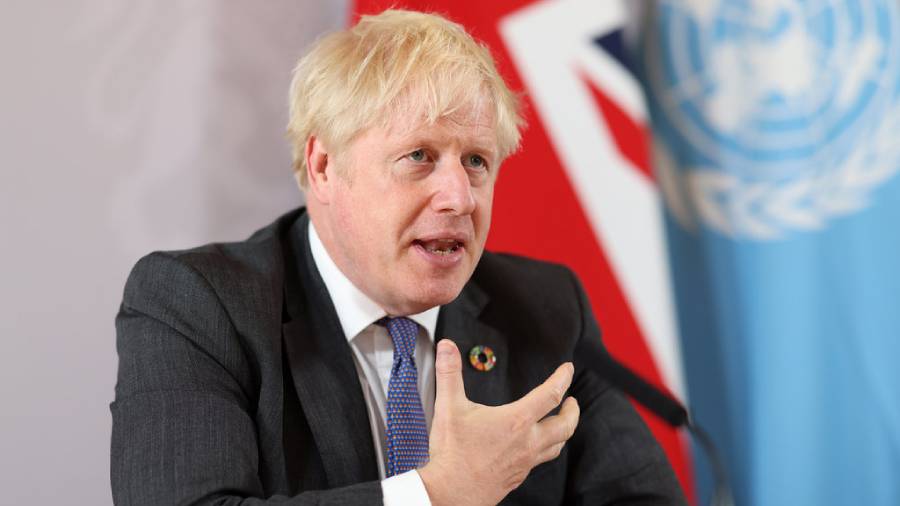
Prime Minister Boris Johnson has unveiled the new plan for England following the easing of national lockdown on December 2nd. Employees that can work from home are being urged to do so, regardless of what Tier level their local area falls into.
As part of COVID-19 measures, the Government have told employees that they should work from home until April 2021 after the national lockdown ends on 2nd December. Prime Minister Boris Johnson cited Easter as a turning point where “things will really look and feel very different” as potential vaccines begin to roll out.
Outlined in a 64 page document, the COVID-19 winter plan clearly instructs employers to allow their workers to work from home.
Stating the health benefits, the document states that “working from home can reduce transmission” of the virus and that the “Government encourages employers to enable a greater degree of home working”. It further states that it will “strengthen guidance to be very clear that anyone who can work from home should do so”.

Citing ONS statistics, the Government explained that over a third (36 per cent) of the UK’s workforce was working from home between 24th April and 3rd May. However, these numbers did decline over the summer as the UK came out of the first national lockdown.
Advice from the Scientific Advisory Group for Emergencies (SAGE) expressed the safety risks returning to the workplace poses. According to its data, over one third of contacts are made whilst at work which are of “long duration and highly clustered”. This means that working from home can have a “significant effect” on reducing the transmission of COVID-19 if everyone that can work from home does so.
However, the plan does acknowledge instances where employees cannot work from home, citing mental health issues and concerns in addition to employees that work in industries where they must be on site.
In these instances, the Government have stated that businesses have taken clear steps to protect the health and safety of staff and followed the Government guidance to make the workplace COVID-19 secure including the implementation of social distancing and adopting behaviours that would reduce transmission.
However, to deal with the “small number of businesses” that are not complying with the law, the Government are planning to provide Local Authorities with streamlined powers to enforce the immediate closure of businesses who are not compliant with COVID-secure rules and regulations.

Monica Sharma is an English Literature graduate from the University of Warwick. As Editor for HRreview, her particular interests in HR include issues concerning diversity, employment law and wellbeing in the workplace. Alongside this, she has written for student publications in both England and Canada. Monica has also presented her academic work concerning the relationship between legal systems, sexual harassment and racism at a university conference at the University of Western Ontario, Canada.
- Monica Sharma

- Monica Sharma
- Monica Sharma
- Monica Sharma








