
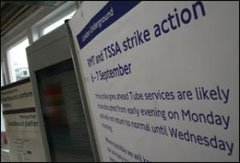
CBI seeks ban on strikes

-

The CBI has called for the law to be changed, so that strikes can only go ahead if at least 40% of balloted members vote in favour of industrial action.

This mirrors a report from thinktank Policy Exchange earlier this month, which argued that the legal balance between trade unions, union members and employers no longer reflects the realities of low union membership in most sectors. It also coincides with calls this weekend from London mayor Boris Johnson.

The CBI is also calling for companies to be able to recruit agency staff to “provide essential cover” for striking workers. Currently, organisations can recruit temporary workers directly but are not able to use an agency.

John Cridland, CBI deputy director-general, said: “Industrial action is never inevitable, and we want to see public sector managers and unions going the extra mile during difficult times ahead. By constructively working together, damaging industrial action can be avoided.

HRreview Logo

Get our essential weekday HR news and updates.

This field is for validation purposes and should be left unchanged.
Keep up with the latest in HR...
This field is hidden when viewing the form
Optin_date
This field is hidden when viewing the form


“The public increasingly expects it to be business as usual, even during a strike, so firms must be allowed to hire temporary workers directly from an agency to provide emergency cover for striking workers.”

TUC general secretary Brendan Barber commented: “The UK has some of the toughest legal restrictions on the right to strike in the advanced world. Already the courts regularly strike down democratic ballots that clearly show majority support for action.

“The CBI proposals are a fundamental attack on basic rights at work that are recognised in every human rights charter, and will be dismissed by any Government with a commitment to civil liberties.”




Latest news

Dr. Poornima Luthra: What HR leaders should, and shouldn’t, say in moments of societal crisis

Times of social tension offer an opportunity for learning and growth, for fostering truly inclusive workplaces, if approached intentionally.

BBC job cuts ‘risk legal fallout’ if consultation and communication fall short

Legal experts warn large-scale redundancies must follow strict consultation rules as employers face rising financial pressures and workforce scrutiny.

CIPD appoints Neil Carberry as chief executive amid ‘new era of work’

New leadership announced at the UK’s professional body for HR as organisations prepare for rapid changes in work, skills and technology.

NDA clampdown planned as government targets workplace harassment cover-ups

Government plans to curb misuse of confidentiality clauses aim to stop workers being silenced over harassment and discrimination.
- Advertisement -

‘Nearly half’ of UK workers fear robots could replace their jobs

Security risks emerge as the biggest concern about workplace automation.

Britain now an ‘overqualified nation’ with millions stuck in dead-end jobs

Millions of graduates are stuck in low-progression roles as rising qualification levels outpace the number of jobs that fully use their skills.

Must read

Helen Ives: Who should you hire?

Anyone who works in people management knows the pains...

Alessandro Bonatti: Can AI make hiring smarter?

Of all the hot button topics in HR, AI is easily the most controversial. It has transformed talent attraction and hiring - but did it make it smarter?
- Advertisement -

You might also likeRELATED
Recommended to you



