

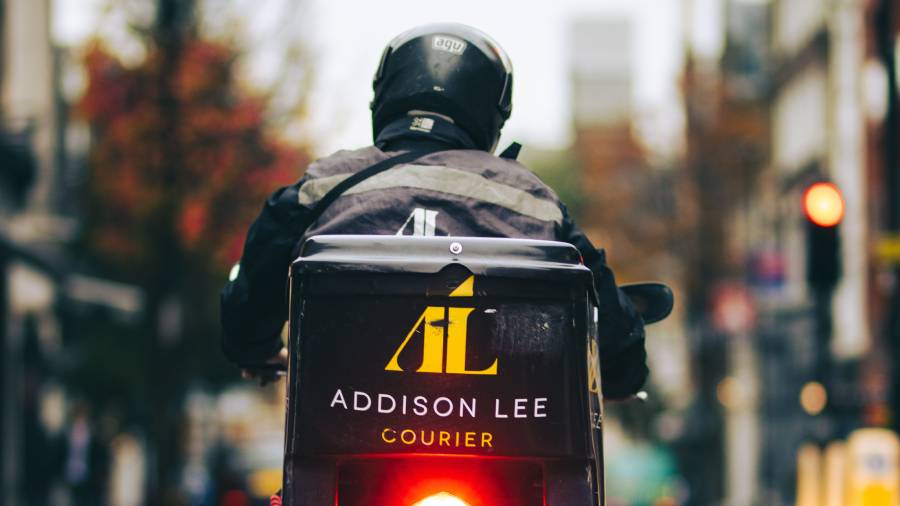
Addison Lee, a private hire and cab and courier service, may be required to pay out large sums to drivers after a court has deemed these staff “workers”.
Following suit after the Uber case, a ruling has now confirmed that Addison Lee drivers should be classed as “workers” and will therefore will be entitled to receive workers’ rights.
This will include the National Minimum Wage, the statutory minimum level of paid holiday, protection against unlawful dismissal and the statutory minimum length of rest breaks,
This ruling has been declared after the Supreme Court, in February, stated that Uber drivers should also be classed as workers .

Lina Wood, a solicitor at Leigh Day called this “another blow to big firms operating in the gig economy” but a “huge decision in favour of Addison Lee drivers”.
Ms. Wood continued:
We hope other companies with similar business models to Uber and Addison Lee recognise that they cannot continue to deny people basic rights such as holiday pay and the national minimum wage.
In particular, this may also mean a significant amount in pay-outs for Addison Lee drivers, with the workers being entitled to an average of £10,000 in compensation each. This could include claims linked to annual leave as well as not receiving the National Minimum Wage.
Steve Garelick, Regional Organiser of GMB, a general trade union, said:
Addison Lee had ample opportunity to do the right thing by drivers and sit down and talk with GMB about ensuring their workers were treated within the law.
They chose instead to pay lawyers to try and argue the impossible. This judgment is not based just on law but good common sense and sends a further message to those who would continue to exploit workers through a bogus self-employment model.
This criticism follows various attempts by Addison Lee, in 2017 and 2018, to appeal against the decisions made by Employment Tribunals which sided with the workers on the issue.
However, when asked about the situation now, a spokesperson for Addison Lee, calling this a “historic case”:
Since then, we have since changed our working practices and the way we engage with drivers to ensure we maintain the flexibility our drivers demand while continuing to provide the best earning opportunity for the highest calibre professional drivers.
In the last 12 months, under new management, Addison Lee has invested heavily to support our drivers’ livelihoods and to keep them and our passengers safe during the pandemic. We will continue to evolve our business model to ensure we continue to deliver for our drivers and customers alike.

Monica Sharma is an English Literature graduate from the University of Warwick. As Editor for HRreview, her particular interests in HR include issues concerning diversity, employment law and wellbeing in the workplace. Alongside this, she has written for student publications in both England and Canada. Monica has also presented her academic work concerning the relationship between legal systems, sexual harassment and racism at a university conference at the University of Western Ontario, Canada.
- Monica Sharma

- Monica Sharma
- Monica Sharma
- Monica Sharma








