

HRreview 20 Years
This field is for validation purposes and should be left unchanged.
Subscribe for weekday HR news, opinion and advice.
This field is hidden when viewing the form
Optin_date
This field is hidden when viewing the form

Justice minister proposes measure to increase diversity within the judiciary

-


Justice secretary Kenneth Clarke has announced a consultation on a number of measures designed to increase the cultural diversity of the UK’s judiciary.

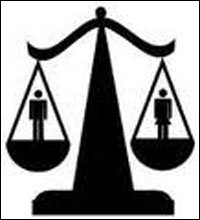
It will seek views on whether, when considering two candidates of genuinely equal ability, there should be a presumption in favour of selecting the person from an underrepresented group, such as women or ethnic minorities.

However, Mr Clarke emphasised that judges should always be selected on merit first.

“The calibre of our judges should never be compromised – their role is too important. Candidates should always be assessed on merit,” he said.

HRreview Logo

Get our essential weekday HR news and updates.

This field is for validation purposes and should be left unchanged.
Keep up with the latest in HR...
This field is hidden when viewing the form
Optin_date
This field is hidden when viewing the form


However, the minister added: “But swathes of talent are going untapped. Ability is not confined to certain narrow sections of society, in certain racial, social or other groups. The more widely we search, the more likely we are to find the best candidates.”

According to government figures, 13.7 per cent of senior judges are women and 3.1 per cent are from black and Asian groups, compared to 51 per cent and 12 per cent of the wider population.

The new consultation also proposes extending salaried part-time judicial roles to the High Court and Court of Appeal to increase the diversity and inclusion of women and minorities at senior levels of the judiciary.

“I am especially concerned to open up the judiciary to those with caring responsibilities,” said Mr Clarke.

“It should no longer be the case that an able woman who seeks a post in the senior judiciary is at a disadvantage because she chose to pause her career to have a family.”

It follows recent comments from Lord Neuberger of Abbotsbury, the country’s second most senior judge, who, in an interview with the Times, said he would have no problem with female or ethnic minority candidates for top judicial positions being favoured over white men when the two applicants are otherwise equal in order to increase diversity.


Latest news

Felicia Williams: Why ‘shadow work’ is quietly breaking your people strategy

Employees are losing seven hours a week to tasks that fall outside their core job description. For HR leaders, that’s the kind of stat that keeps you up at night.

Redundancies rise as 327,000 job losses forecast for 2026

UK job losses are set to rise again as redundancy warnings hit post-pandemic highs, with employers cutting roles amid rising costs and economic pressure.

Rise of ‘sickfluencers’ and AI advice sparks concern over attitudes to work

Online influencers and AI tools are shaping how people approach illness and employment, heaping pressure on employers.

‘Silent killer’ dust linked to 500 construction deaths a year as 600,000 workers face exposure

Hundreds of UK construction workers die each year from silica dust exposure as a new campaign calls for stronger workplace protections.
- Advertisement -

Leaders ‘overestimate’ how much workers use AI

Firms may be misreading workforce readiness for artificial intelligence, as frontline staff report far lower day-to-day adoption than executives expect.

Cost-of-living pressures ‘keep unhappy workers in their jobs’

Many say economic pressures are forcing them to remain in jobs they would otherwise leave, as pay and financial stability dominate career decisions.

Must read

Binna Kandola: How can you create an environment of psychological safety in the workplace?

Professor Kanfola explores what psychological safety is, and how can it be achieved within the modern workplace!

Michael Mercieca: Funding the future with a fiver

70 percent of teachers reported that their pupils are encountering “money and financial decisions” earlier than they used to, while 60 percent of UK adults believe that managing money is more difficult now than it was ten years ago. If education programmes are not in place to support this, the UK’s economy clearly faces a challenge.
- Advertisement -

You might also likeRELATED
Recommended to you


