


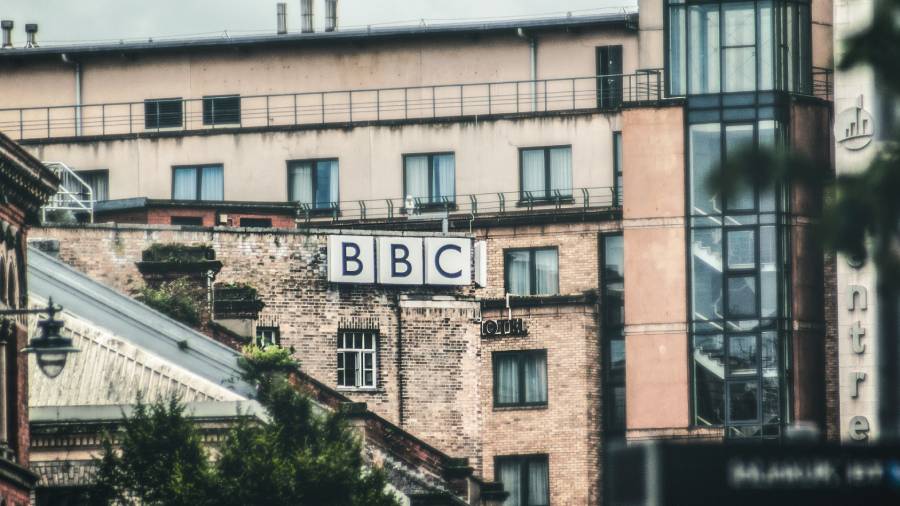

The Equality and Human Rights Commission (EHRC) has ruled that the BBC are not guilty of unlawful pay discrimination. This comes after an investigation was carried out to assess the situation following many high profile female staff at the BBC stating that male co-workers were earning significantly more for the same type of work.
The EHRC have ruled, following an investigation into unlawful pay discrimination at the BBC, that there was “no evidence of ‘systematic gender discrimination’ at the broadcasting company.
It stated that although there were themes relating to past pay practices that could “give rise to the risk of pay discrimination”, it ultimately concluded that these have mostly been resolved now through reforms made to pay.
Most notably, the Commission gave credit to the implementation of the Career Path Framework (CPF) which “was developed to create a standardised approach to pay and grading”. Implementing this, the report argues, was a route to addressing its previous pay structure which the report stated was “complex and decentralised”.
 |
Get our essential weekday HR news and updates.
|

However, the Commission did acknowledge that they could not rule out the possibility of individual equal pay issues.
There have indeed been several individual cases where female presenters have successfully argued they were being underpaid for fulfilling the same type of work as male colleagues.
In January 2020, Samira Ahmed, a presenter for the BBC, won an employment tribunal which ruled that Ms. Ahmed was paid £700,000 less in comparison to Jeremy Vine, the presenter of Points of View. The judge stated that this case was “striking” as Mr. Vine was being paid six times more than Ms. Ahmed for “doing the same work”.
Other reporters who put forward claims of unequal pay include Carrie Gracie who left the BBC after 33 years due to this and Sarah Montague, a radio presenter, who was paid £400,000 by the BBC after years of allegedly being underpaid. On Twitter, Ms. Gracie described this report clearing the BBC of wrongdoing as a “whitewash” and questioned why only 10 cases were examined within the BBC to reach this conclusion.
The report offered some key findings to the BBC including:
- Recording issues related to equal pay “in every case and at every stage of the process” – Within this, the report outlines that if a pay adjustment occurs, BBC should tell employees whether this has happened on an equal pay or fair pay basis
- Measure staff confidence in grievance processes and in independent scrutiny of complaints
- Improving transparency when communicating with employees about decisions related to pay
- Improving training and guidance on the Equal Pay Act, equality, inclusion and diversity
- Frequently reviewing pay schemes to ensure “their continued integrity and ability to meet changing job requirements”
- Conducting equal pay audits at least every five years
However, the conclusion of this report from the EHRC have not been entirely well received.
Michelle Stanistreet, NUJ general secretary, said:
There will be many NUJ members who read this report and feel it doesn’t address their lived experiences. The fact that so many individual settlements, including Samira Ahmed’s NUJ-backed tribunal win, have taken place underlines the clear problems that have existed. It’s also important to acknowledge that where settlements have taken place, it’s taken an enormous amount of determination, effort and persistence on the part of individuals determined to hold the BBC to account and that comes at a practical and emotional cost.
The BBC has held its hands up and accepted that its pay processes before 2015 were not fit for purpose. The changes acknowledged by the EHRC since have been achieved with enormous effort and pressure from the joint unions but they are very much a work in progress. There are still vital changes that need to take place as the EHRC makes clear – we need urgent action to tackle problems with pay progression, to resolve the issues of outliers, and to improve transparency.
The report rightly points to a breakdown of trust between staff and BBC management when it comes to ensuring genuine equality and pay parity at work – that has to change and achieving that must be a key priority of the new BBC leadership.


Monica Sharma is an English Literature graduate from the University of Warwick. As Editor for HRreview, her particular interests in HR include issues concerning diversity, employment law and wellbeing in the workplace. Alongside this, she has written for student publications in both England and Canada. Monica has also presented her academic work concerning the relationship between legal systems, sexual harassment and racism at a university conference at the University of Western Ontario, Canada.
- Monica Sharma

- Monica Sharma

- Monica Sharma

- Monica Sharma



