




In July of this year British Gas announced it was increasing its prices. Bills would rise for gas customers by an average of 18% and 16% for electricity customers.
Of course British Gas aren’t the only energy company to have put their prices up, but inevitably, the announcement didn’t go down very well. After all, people everywhere are feeling the effects of food, fuel and other rising costs.
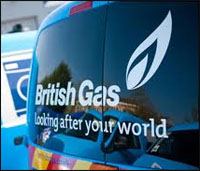
However, I would like to say something nice about British Gas. It’s nothing to do with their prices, but with their approach to a particular work-related health and safety problem that often gets ignored. Road safety.
Around 740 people are killed and over 8,000 seriously injured each year while working on the roads, or driving for work. With a fleet of 10,200 vans, 1,800 company cars and 1,950 private cars, British Gas decided five years ago it would try and reduce the number of incidents its employees were involved in.
It developing a plan which included measures such as incident analysis, speed limiters on vehicles, driver licence checks and pre-employment driver risk assessments. For employees using their own cars, licence, vehicle roadworthiness and insurance checks were done more frequently, and extra attention was paid to younger drivers.
 |
Get our essential weekday HR news and updates.
|

It introduced a system for rating its drivers red, amber or green according to the incidents they were involved in and the complaints received about their driving. Good records were rewarded and the “right to drive” removed for those that didn’t come up to scratch.
Turns out, these measures had quite an impact. British Gas managed to cut road incidents among its drivers by 30% in 5 years. It also saved itself quite a bit of money.
The company actually spends £6.7million a year on damage to its own vehicles and third party costs. However, the measures it introduced have actually saved British Gas over £2m in repair costs to its own fleet alone.
Proof then that a positive approach to health and safety doesn’t only save lives and prevent injury, but can also save a business quite a bit of money too.
You never know, our gas bills might have been even higher without their five year fleet safety plan. So well done British Gas!
About Teresa Budworth


Teresa Budworth, Chief Executive of the National Examination Board in Occupational Safety and Health
During a 30 year career in health and safety, she has specialised in safety consultancy; working with a number of Boards of Directors on implementing safety governance within large and diverse organisations. Her work on competence, education and training culminated in her appointment as Chief Executive of NEBOSH; the National Examination Board in Occupational Safety and Health, in 2006.
Prior to joining NEBOSH, Teresa combined management of Norwich Union Risk Service’s (now Aviva) Consultancy operation with her post as a non-executive Director and Trustee of NEBOSH and was Senior Examiner for Diploma Part One from its inception in 1997. She is a Visiting Senior Teaching Fellow and member of the Examination Board for post graduate courses in Occupational Health at the University of Warwick’s Medical School. She is a member of RoSPA’s National Occupational Safety and Health Committee and also serves on the judging panel for RoSPA’s annual occupational safety and health awards. She is a member of IOSH Council.
- Teresa Budworth

- Teresa Budworth

- Teresa Budworth

- Teresa Budworth


