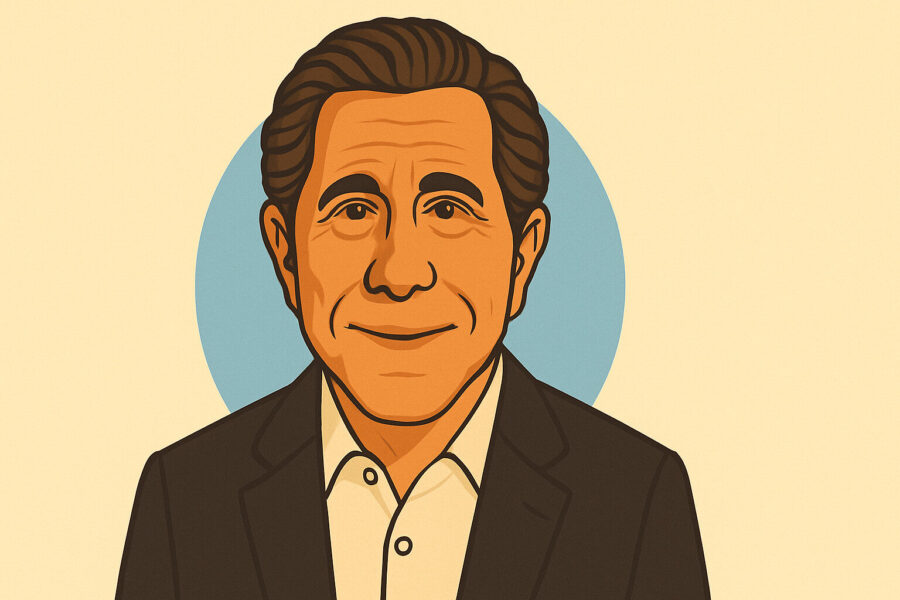

“Human resources isn’t a thing we do; it’s the thing that runs our business.”
Context
This quote from Steve Wynn, the American real estate developer and former casino magnate, continues to resonate with business leaders and HR professionals alike. Though his legacy is mixed due to later controversies, Wynn’s emphasis on the critical role of human resources as a business driver has endured.
At a time when organisations are re-evaluating their structures, talent strategies and leadership models, the quote has taken on fresh relevance. From hybrid working to digital transformation and a renewed focus on inclusion, many companies are recognising that HR is not a back-office function but a central force in shaping success.
Wynn’s statement is often cited in discussions about elevating HR’s role from administrative support to strategic leadership. In many businesses, particularly in fast-moving industries like tech, finance and healthcare, HR departments are now expected to lead on culture, capability building and change management.
 |
Get our essential weekday HR news and updates.
|

Meaning
The quote conveys several layered messages:
- Human resources is not merely about hiring, compliance or policy — it underpins every aspect of a business’s performance and future direction.
- HR plays a critical role in enabling leadership, shaping company culture and aligning people strategies with commercial goals.
- Treating HR as a peripheral or support function is a missed opportunity; it should be embedded in the core of strategic decision-making.
- For a business to thrive, people management cannot be siloed but must be integrated into every department and level of leadership.
Wynn’s framing positions HR not as a service, but as a vital operating system of the organisation.
Implications
For HR leaders and executives, the quote is a compelling reminder of the value and influence of the profession, especially in today’s dynamic work environment.
Key implications include:
- The need to embed HR strategy into the broader business plan, ensuring alignment with revenue, innovation and customer experience goals.
- Empowering HR teams to act as agents of transformation, guiding the organisation through workforce changes, skills development and leadership evolution.
- Recognising the potential of HR to drive measurable business outcomes — from improved engagement and retention to increased agility and adaptability.
- Investing in HR capability, technology and influence, so that people professionals can lead with data and insight, not just instinct and policy.
As UK employers continue to face challenges around retention, skills shortages and employee expectations, Wynn’s quote serves as both a provocation and a call to action: HR is not a support act but the engine room of sustainable business.


William Furney is a Managing Editor at Black and White Trading Ltd based in Kingston upon Hull, UK. He is a prolific author and contributor at Workplace Wellbeing Professional, with over 127 published posts covering HR, employee engagement, and workplace wellbeing topics. His writing focuses on contemporary employment issues including pension schemes, employee health, financial struggles affecting workers, and broader workplace trends.
- William Furney

- William Furney

- William Furney

- William Furney