


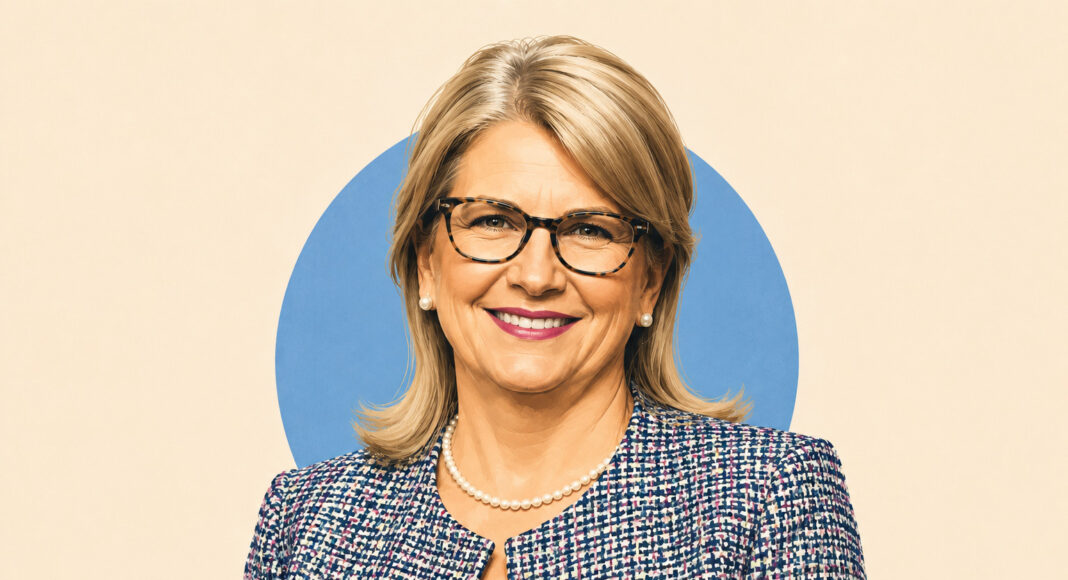

“Upward bullying is frequently buried within aggregated HR reporting, labelled as ‘conflict’ or ‘personality clashes’, masking its true impact and preventing meaningful oversight.”
Context
Concerns are growing that some workplace behaviour issues involving managers are being overlooked because they are recorded too broadly within HR systems.
Maureen Kyne, a leadership expert and workplace adviser, has warned that upward bullying is often hidden within wider reporting categories, making it harder for organisations to identify patterns or understand the scale of the issue.
Her comments come amid wider scrutiny of workplace culture, psychological safety and the quality of internal reporting processes used by employers.
Meaning
Kyne’s comment suggests that the language organisations use in HR reporting can shape how seriously issues are treated. By grouping serious behavioural concerns under vague terms such as “conflict” or “personality clashes”, employers may unintentionally minimise conduct that requires intervention.
 |
Get our essential weekday HR news and updates.
|

The warning also points to a potential blind spot in workplace governance. If incidents are not categorised accurately, leadership teams may struggle to recognise recurring problems or understand where management failures are occurring.
Implications
The issue raises questions for HR executives about how workplace behaviour is monitored and recorded. More precise reporting categories and stronger escalation processes may, experts say, be needed to ensure serious concerns are not lost within broader data.
The comments also reinforce the growing focus on psychological safety and accountability in management. Organisations that fail to identify patterns early may face wider cultural problems, including reduced trust, lower morale and higher staff turnover.


William Furney is a Managing Editor at Black and White Trading Ltd based in Kingston upon Hull, UK. He is a prolific author and contributor at Workplace Wellbeing Professional, with over 127 published posts covering HR, employee engagement, and workplace wellbeing topics. His writing focuses on contemporary employment issues including pension schemes, employee health, financial struggles affecting workers, and broader workplace trends.
- William Furney

- William Furney

- William Furney

- William Furney



