


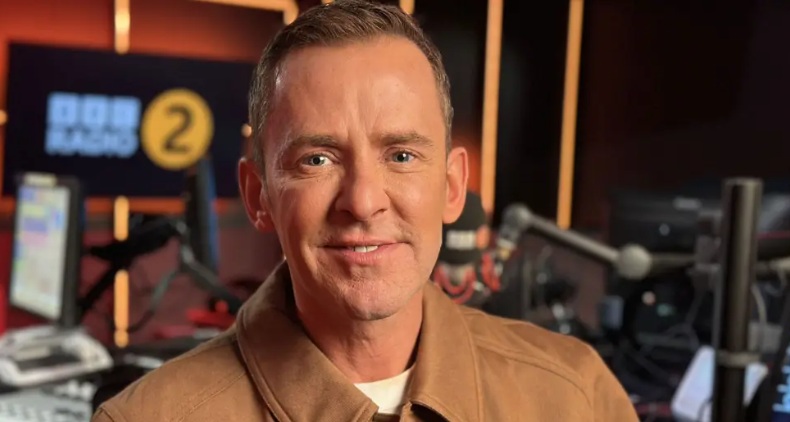

Former BBC Radio 2 presenter Scott Mills is preparing legal action against the broadcaster following his dismissal earlier this year, according to reports.
The long-serving presenter is reportedly planning to pursue an unfair dismissal claim after being removed from his role amid controversy surrounding a historic police investigation.
The development is likely to raise fresh questions about workplace investigations, safeguarding procedures and how employers handle historic allegations where no criminal charges were brought.
Legal challenge expected
The Mirror reported that Mills has instructed lawyers and intends to argue that BBC management had been fully informed about the police investigation years earlier, including the age of an accuser.
 |
Get our essential weekday HR news and updates.
|

The BBC previously said it had been aware of the investigation but that “new information” later came to light. A source quoted by The Mirror said: “It’s going to get very messy indeed.”
Mills, 53, was dismissed by the BBC in March after allegations relating to his “personal conduct” emerged publicly. The controversy centred on a Metropolitan Police investigation launched in 2016 into allegations of historic sexual offences involving a teenage boy under the age of 16.
Police confirmed Mills was interviewed under caution in 2018. A file was later passed to the Crown Prosecution Service, which concluded there was insufficient evidence to bring charges. The investigation was closed in 2019.
The BBC has not publicly detailed the exact “new information” that led to Mills’ dismissal.
Questions over BBC handling
The case has attracted significant attention because senior BBC management were aware of the historic investigation before Mills was promoted to Radio 2’s flagship breakfast programme in 2025. The BBC later acknowledged it should have investigated separate concerns raised with the corporation in 2025 more thoroughly.
Mills had worked for the broadcaster since 1998 and had become one of Radio 2’s highest-profile presenters after replacing Zoe Ball on the breakfast show. His dismissal formed part of a wider period of scrutiny around BBC safeguarding, workplace culture and accountability involving on-air talent.
The broadcaster has faced repeated criticism in recent years over its handling of complaints and allegations involving prominent presenters.
Mills has previously said he fully cooperated with the police investigation and stressed that no charges were brought. In a statement issued through lawyers after his dismissal, he thanked supporters and former colleagues.
“The recent announcement that I am no longer contracted to the BBC has led to the publication of rumour and speculation,” he said.
“An allegation was made against me in 2016 of a historic sexual offence, which was the subject of a police investigation in which I fully co-operated and responded to in 2018.”
He also said the investigation related to allegations dating back nearly 30 years and noted that the police inquiry had closed seven years ago.
Employment law implications
Jo Mackie, an employment law partner at national law firm Michelmores, told HRreview the case was likely to focus heavily on what the BBC knew and when.
“Mr Mills will understandably want to clear his name, and it will be interesting to see what he produces in order to do so,” she said.
“Has the BBC been overzealous in dismissing him, perhaps making him a scapegoat at a time when the BBC faces criticism for historical wrongdoing by other employees prior to Mr Mills’ sacking? Or will the BBC say they relied on the implied duty of trust and confidence to dismiss him when presumably because they learnt of historical investigations without him disclosing them.
“We will have to watch and see how this transpires,” she said.
Chloe Grant, an associate specialising in employment law at London-based legal practice Bellevue Law, said the case could hinge on whether the BBC acted consistently and reasonably in its handling of the allegations.
“If Mills goes down the road of an unfair dismissal claim, the case is likely to turn as much on the BBC’s timing as on the allegations themselves,” she told HRreview. “Reports suggest Mills will argue he had already disclosed the historic police investigation years ago, while by contrast, the BBC says his dismissal followed ‘new information’ becoming available.”
Grant said it could lead to issues about whether the dismissal was based on genuinely new evidence or information already known internally.
“That raises a key legal question about the basis for the outcome. Was decision-making genuinely based on receipt of new information, or was the organisation acting on something already known?”
She said tribunals would likely examine whether the BBC had acted reasonably and consistently.
“In employment law, employers must show a fair reason for dismissal and that they acted reasonably in treating that reason as sufficient to dismiss. If the BBC had prior knowledge, yet continued to employ and promote Mills for many years despite that fact, it may be harder to argue that dismissal was a proportionate response at this stage,” she said.
Grant also warned the broadcaster’s internal process could face scrutiny if the case proceeds.
“There is also the issue of process to consider. Even in sensitive and/or high-profile cases, employers are expected to investigate properly and act consistently. Acting only when a story risks becoming public can leave an employer exposed,” she said.
“If the matter ends up before a tribunal, much will depend upon why the BBC acted when it did, and why not sooner,” she said.
The BBC has not publicly commented on the reported legal action.


William Furney is a Managing Editor at Black and White Trading Ltd based in Kingston upon Hull, UK. He is a prolific author and contributor at Workplace Wellbeing Professional, with over 127 published posts covering HR, employee engagement, and workplace wellbeing topics. His writing focuses on contemporary employment issues including pension schemes, employee health, financial struggles affecting workers, and broader workplace trends.
- William Furney

- William Furney

- William Furney

- William Furney



