<

!Google ads have two elements of code. This is the 'header' code. There will be another short tag of code that is placed whereever you want the ads to appear. These tags are generated in the Google DFP ad manager. Go to Ad Units = Tags. If you update the code, you need to replace both elements.> <! Prime Home Page Banner (usually shows to right of logo) It's managed in the Extra Theme Options section*> <! 728x90_1_home_hrreview - This can be turned off if needed - it shows at the top of the content, but under the header menu. It's managed in the Extra Theme Options section * > <! 728x90_2_home_hrreview - shows in the main homepage content section. Might be 1st or 2nd ad depending if the one above is turned off. Managed from the home page layout* > <! 728x90_3_home_hrreview - shows in the main homepage content section. Might be 2nd or 3rd ad depending if the one above is turned off. Managed from the home page layout* > <! Footer - 970x250_large_footerboard_hrreview. It's managed in the Extra Theme Options section* > <! MPU1 - It's managed in the Widgets-sidebar section* > <! MPU2 - It's managed in the Widgets-sidebar section* > <! MPU - It's managed in the Widgets-sidebar section3* > <! MPU4 - It's managed in the Widgets-sidebar section* > <! Sidebar_large_1 - It's managed in the Widgets-sidebar section* > <! Sidebar_large_2 - It's managed in the Widgets-sidebar section* > <! Sidebar_large_3 - It's managed in the Widgets-sidebar section* > <! Sidebar_large_4 - It's managed in the Widgets-sidebar section* > <! Sidebar_large_5 are not currently being used - It's managed in the Widgets-sidebar section* > <! Bombora simple version of script - not inlcuding Google Analytics code* >

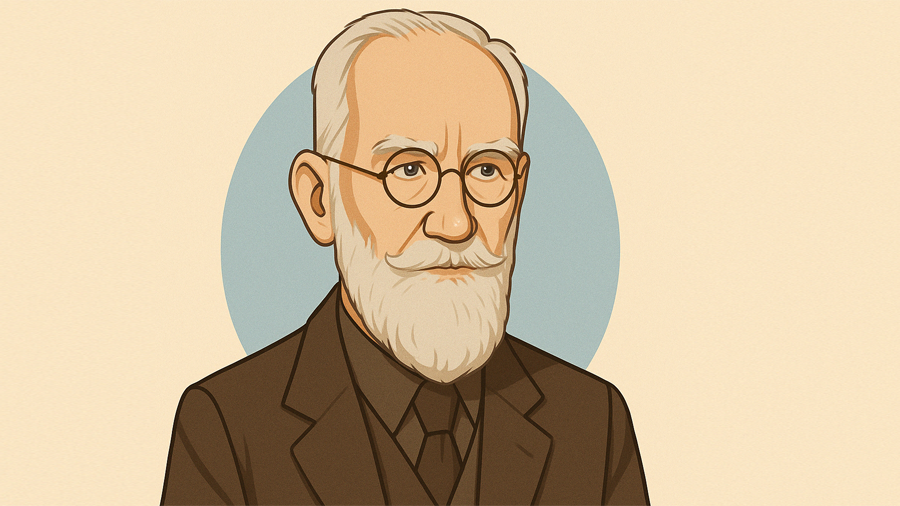
George Bernard Shaw on Miscommunication

-

“The single biggest problem in communication is the illusion that it has taken place”

is widely attributed to George Bernard Shaw, though there is no definitive written record of him having said or written it in any of his published works or speeches.

Context and Meaning

Whether or not Shaw actually said it, the quote captures a key insight often relevant in business, education, and interpersonal relationships:

People frequently assume they have communicated clearly, when in fact the message has not been fully understood—or sometimes not even received.

This “illusion” can lead to misunderstandings, errors, and frustration. The statement has become popular in communication training and leadership contexts as a reminder to check for understanding rather than assuming it.

Possible Origins

  • The phrase likely became popular in the late 20th century, and while it fits Shaw’s style of critical observation and wit, its attribution remains disputed.
  • Some communication scholars and business writers have cited it without a verified source, contributing to the confusion around its origin.

The Author

George Bernard Shaw (1856–1950) was an Irish playwright, critic, and polemicist, widely regarded as one of the most influential dramatists of the late 19th and early 20th centuries. Born in Dublin, Shaw moved to London in 1876, where he established himself as a writer and public intellectual.

Initially achieving success as a music and theatre critic, Shaw became best known for his plays, which combined social critique with sharp wit and engaging dialogue. His major works include Pygmalion, Man and Superman, Major Barbara, and Saint Joan. Through these and other plays, he challenged prevailing attitudes on class, education, marriage, religion, and political systems.

A committed socialist, Shaw was a founding member of the Fabian Society, promoting gradual social reform and contributing to the early Labour movement in the UK.

In 1925, he was awarded the Nobel Prize in Literature for his work, which was praised for its idealism and humanity. Shaw declined the monetary award, though he accepted the honour.

Shaw continued writing into his nineties and remained an active public commentator throughout his life. He died in 1950 at the age of 94, leaving a lasting legacy in both literature and public thought.

Latest news

Turning Workforce Data into Real Insight: A practical session for HR leaders

HR teams are being asked to deliver greater impact with fewer resources. This practical session is designed to help you move beyond instinct and start using workforce data to make faster, smarter decisions that drive real business results.

Bethany Cann of Specsavers

A working day balancing early talent strategy, university partnerships and family life at the international opticians retailer.

Workplace silence leaving staff afraid to raise mistakes

Almost half of UK workers feel unable to raise concerns or mistakes at work, with new research warning that workplace silence is damaging productivity.

Managers’ biggest fears? ‘Confrontation and redundancies’

Survey of UK managers reveals fear of confrontation and redundancies, with many lacking training to handle difficult workplace situations.
- Advertisement -

Mike Bond: Redefining talent – and prioritising the creative mindset

Not too long ago, the most prized CVs boasted MBAs, consulting pedigrees and an impressive record of traditional experience. Now, things are different.

UK loses ground in global remote work rankings

Connectivity gaps across the UK risk weakening the country’s appeal to remote workers and internationally mobile talent.

Must read

Candidates vs recruiters: how automation will change everyone’s hiring experience

The robots will take over, soon there’ll be no jobs left.” Sound familiar? We’ve been hearing all about the threat of AI in the news for months now, but is all of this scaremongering really necessary?

Luke Menzies: Tougher-than-expected Gender Pay Gap enforcement

In all the commentary written on the Gender Pay Gap reporting (GPGR - not to be confused with GDPR) legislation, very little has touched on the consequences of an employer failing to comply with its duty to report and publish.
- Advertisement -

You might also likeRELATED
Recommended to you

Exit mobile version