


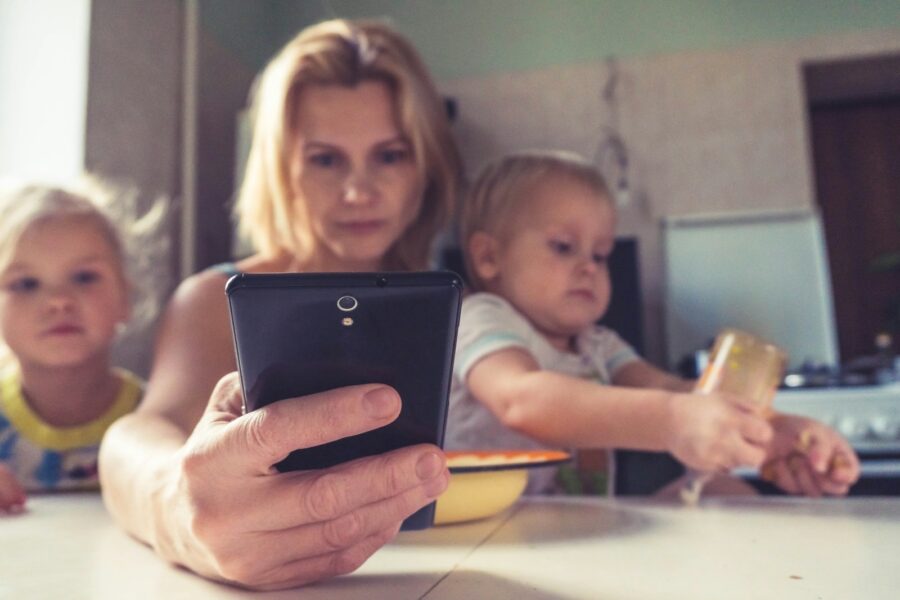

UK workplaces are still falling short when it comes to supporting working mothers, according to a new report, with 84 percent saying they have encountered either gender-based or motherhood-related discrimination at work.
The report, from recruitment agency Randstad UK and produced in partnership with online forum for parents mumsnet, is based on responses from thousands of parents. According to the findings, 75 percent of working mothers percent believe that having children has negatively impacted their career.
Nearly 70 percent say they have had to pass up promotion opportunities due to their parental responsibilities.
Working mothers: the lived experience
Although nine in ten mothers identify flexibility as their highest workplace priority, many still struggle to access arrangements that allow them to balance work and family without consequence. For some, flexible options are better than expected – but for many others, inflexible working hours remain the leading cause for leaving a role.
 |
Get our essential weekday HR news and updates.
|

Victoria Short, CEO of Randstad UK, said that employers “cannot afford” to ignore the lived experience of working mothers.
“We know flexibility is key to retaining and advancing female talent, yet too often, policies don’t translate into meaningful change,” she said. “Organisations that fail to offer genuine, career-friendly flexibility risk losing a critical segment of their workforce.”
Parental leave imbalance and loss of benefits
The report draws attention to unequal parental leave practices and challenges faced when returning to work. While mothers in the UK typically take around 10 months of maternity leave, fathers usually take only four weeks. Just 18 percent of mothers expressed satisfaction with their partner’s paternity leave package.
On returning to work, over 40 percent of mothers reported losing job-related benefits after having children. These losses contribute to longer-term career setbacks – an example of the structural gaps that hinder working mothers trying to regain professional momentum post-parental leave.
Despite these challenges, the report found that a large majority of parents – 86 percent of mothers and 97 percent of fathers – return to the same employer following parental leave. This suggests that most working parents are not seeking to change employers, but are instead hoping for more inclusive and supportive workplace conditions.
A more supportive approach may help close the gender gap in career progression and ensure that employees feel able to contribute fully after starting a family.
Workplace culture and performance gaps
Although many employers now promote flexible working policies, the report noted a gap between what is written in policy and what is practiced in the workplace. Mothers continue to report difficulties accessing flexibility that supports both their family responsibilities and career aspirations.
Justine Roberts, Founder and CEO of Mumsnet, said that it is in businesses’ best interest to support working mothers – and indeed all employees – with flexible work arrangements.
“Mumsnet users repeatedly tell us that flexibility is the single most important factor when it comes to juggling work, childcare and career progression. But it’s not just employees who benefit from a culture of flexibility – all of the evidence suggests that flexible working increases productivity and helps with staff retention,” she said.
“Companies who take the leap are rewarded with a dedicated, hard-working and loyal workforce.”
The UK economy is facing labour shortages and businesses are looking to strengthen employee retention. With women overrepresented in essential services and underrepresented in high-growth sectors, improving access to family-friendly work arrangements could enable more mothers to pursue roles that match their skills and ambitions.


Alessandra Pacelli is a journalist and author contributing to HRreview, where she covers topics including labour market trends, employment costs, and workplace issues.
- Alessandra Pacelli

- Alessandra Pacelli

- Alessandra Pacelli

- Alessandra Pacelli



