


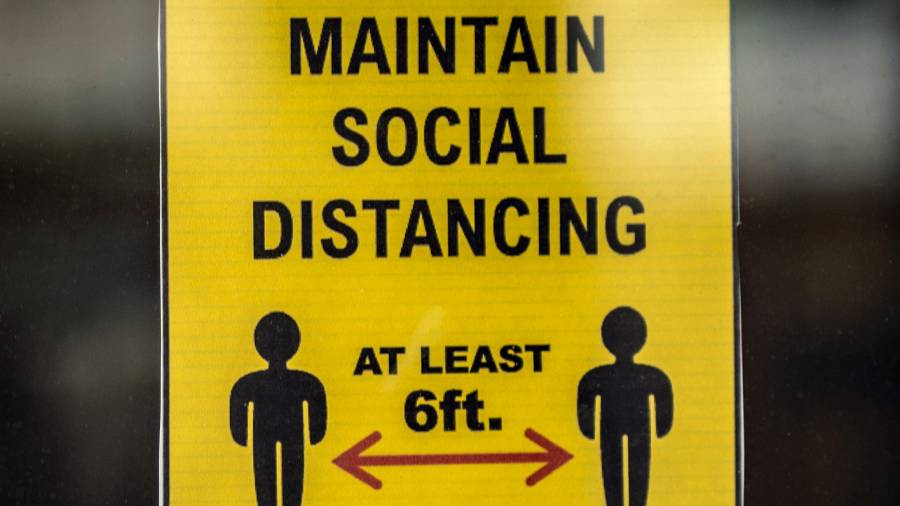

Today (Wednesday, 28th April) marks World Day for Health and Safety at Work.
Throughout the COVID-19 pandemic, the government provided instructions and guidance to employers aimed at ensuring the safety of workers. For example, during the lockdown, businesses have been receiving guidance on making workplaces covid-19 secure. To safeguard against the threat of the virus, work from home guidance is firmly in place in line with government advice and backing from key authorities such as the Health and Safety Executive.
However, with growing optimism ahead of June 22, the next key step on the government’s ‘roadmap’, workers and employers are anticipating a return to (some form of) normality and office life. Joseph Lappin, Partner and Head of Employment at Stewarts, the UK’s litigation-only law firm, offers expert insight into five things employers need to do to meet their health and safety objectives.
1. Business travel: Protecting your staff
 |
Get our essential weekday HR news and updates.
|

There are growing concerns among Procurement Managers about potential future compensation claims from employees who travel on business in their roles and contract COVID-19.
Employees in some industries, for example hospital and construction workers, face a significant risk of being exposed to covid-19 whilst at work.
However, most employers should not expect to face a tidal wave of covid-19 claims and we are unlikely to see an avalanche of negligence claims being pursued by employees who regularly undertake business travel. Such claims are notoriously difficult to pursue successfully.
Employers should protect their staff by:
- Conducting a risk assessment for every trip;
- Documenting the necessary steps they have taken in order to provide a safe system of travel for staff;
- Ensuring that staff are only travelling with reputable tour operators;
- Covering the costs for a clean and safe hotel;
- Empowering staff with adequate information about where they’re traveling and who they’re meeting.
2. Common law: Knowing where you stand as an employer
There are several health and safety duties all employers have under common law. These duties applied before Covid-19 and will continue to apply during the pandemic and after it.
Employers:
- Have a duty to take reasonable care for the health and safety of their employees;
- Must provide and maintain a safe place of work and a safe system of work;
- Can, in certain circumstances, be liable for the negligent acts of their employees.
- Make sure you know where you stand as an employer.
3. Introduce additional safety measures
Some staff will have concerns about returning to the workplace in the summer. In particular many will be worried about catching COVID-19.
Employers should:
- Ask staff if they have concerns about returning to their workplaces.
- Take all necessary steps to ensure that staff feel safe at work.
- Reassure staff by explaining how the workplace has been made Covid-secure.
4. Written policy for larger teams
It is the responsibility of all employers with a workforce of five or more to have a written health and safety policy.
This is a statutory duty both pre-pandemic and is also vital when it comes to making a workplace COVID-19 secure.
An employer also has a duty to bring the written statement to the attention of all its employees under the Health and Safety at Work Act 1974.
5. Health and safety duties
The Health and Safety at Work Act 1974 imposes statutory obligations on employers. Employers have a general duty to ensure, so far as is reasonably practicable, the health, safety and welfare at work of all their employees.
This means that employers must seek the views of and consult with their employees on matters concerning health and safety at work.


Joseph Lappin is a Partner and Head of Employment at Stewarts, a litigation-only law firm. Joseph is instructed by employees and employers to advise on all employment and HR issues. He is recognised for his expertise in assisting clients at all stages of Employment Tribunal litigation, particularly with whistleblowing complaints.



