


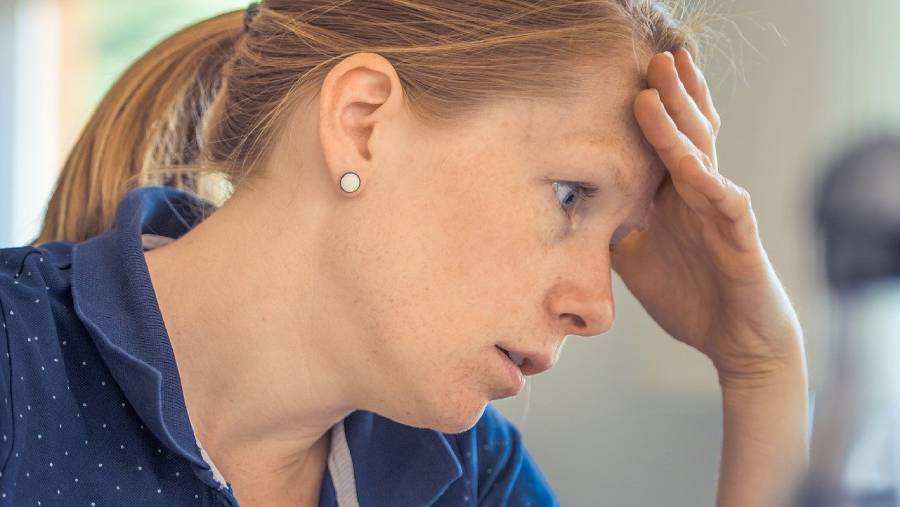

New research indicates a significant gap between men and women’s work-related stress levels, ultimately revealing the impact that COVID-19 has had on women’s careers.
New research by LinkedIn, the global professional networking site, has shown the disproportionate impact that COVID-19 has had and is still having on women’s careers and, therefore, how this has impacted their stress levels linked to work.
Findings from LinkedIn’s Workforce Confidence Index shows that almost three-quarters of women (73 per cent) reported feeling work-related stress over the last month. This was in comparison to less than six in 10 men (57 per cent) that felt the same during this time period.
In addition, further research shows what factors could be driving this work-induced stress. In 2020, almost half of women (45 per cent) spent more time than in 2019 searching for their next job or project. However, this was only true for a third of men (33 per cent).
 |
Get our essential weekday HR news and updates.
|

Furthermore, almost four in 10 women (37 per cent) spent a longer amount of time this year checking in on work during off-hours and fewer than three in 10 men (29 per cent) reported doing the same.
Finally, over a third of women (34 per cent) spent more time working at their primary job. Only around a quarter of men (26 per cent) said they did this too.
However, despite the extra time spent on employment related activities, women are also spending less time away from their jobs. Over half (55 per cent) of female employees said they spent less time taking holiday or time-off this year in comparison to fewer than half (46 per cent) of men.
In November, the hiring rate for women also dropped for the second month in a row. Previous research from LinkedIn showed that working mothers and women aged over 30, as well as candidates without a university degree, were hardest hit during the initial stages of the pandemic.
Emily Spaven, UK Editor at LinkedIn, said:
The pandemic is taking a particularly heavy toll on women and their careers. We’ve already seen that women have been more likely to lose their jobs in this recession, which is even more worrying when LinkedIn’s data shows that women have also been less likely to start a new job during the pandemic.
Our latest data shows women are spending more time than men working out of hours or searching for new roles – often while juggling work with increased family responsibilities. If we’re going to create a fair recovery, we have to recognise the impact the pandemic is having on individuals and offering greater flexibility to women and working parents who are balancing ever-more demanding workloads.
*This research was taken from LinkedIn’s Workplace Confidence Index. This It reflects professionals’ current sentiments about the labour market and their confidence about getting or holding a job, improving their financial situation or advancing in their careers. This data is based on responses from 1,697 professionals in the UK from 2 November to 29 November 2020.


Monica Sharma is an English Literature graduate from the University of Warwick. As Editor for HRreview, her particular interests in HR include issues concerning diversity, employment law and wellbeing in the workplace. Alongside this, she has written for student publications in both England and Canada. Monica has also presented her academic work concerning the relationship between legal systems, sexual harassment and racism at a university conference at the University of Western Ontario, Canada.
- Monica Sharma

- Monica Sharma

- Monica Sharma

- Monica Sharma



