


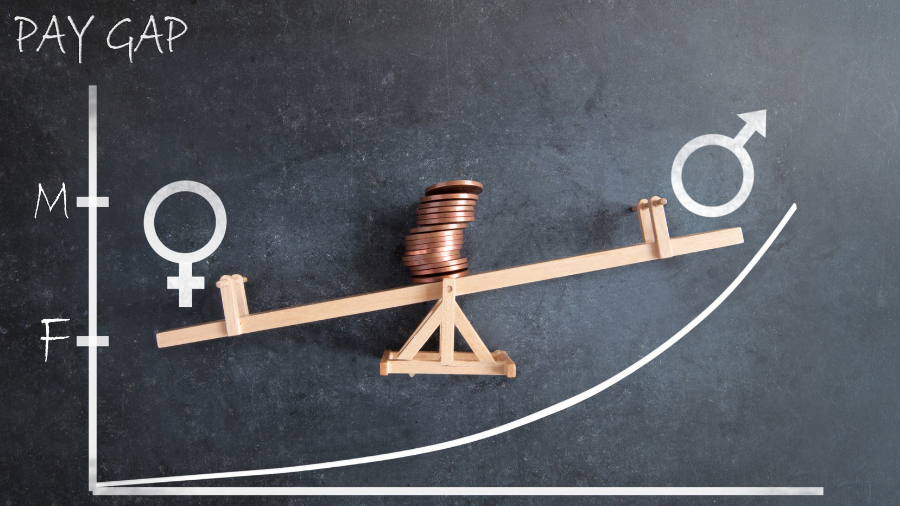

A lack of salary transparency is causing a disadvantage to women, says research released today on Equal Pay Day.
Only one in four full-time employees in the UK strongly agree their workplace is transparent about pay, says research from Glassdoor.
Many more women admit they don’t feel comfortable discussing their salary with management.
This is bolstered by the figures, which found 67 percent of women did not ask for a pay rise in 2020, in contrast to 37 percent of men.
 |
Get our essential weekday HR news and updates.
|

However, women working in traditionally male-dominated arenas like finance and tech were more likely to address a pay gap.
Dr Zara Nanu, who is a champion of gender and pay equality said: “The Equal Pay Act was passed 50 years ago, yet in many ways it feels like very little progress has been made. Though some organisations have made great strides in addressing disparities in pay by being more open and transparent and taking the necessary steps forward, others are still lagging way behind.”
Gender pay gap still too high
ONS figures show the gap for full-time employees in 2021 is 7.9 percent, up from 7 percent in 2020.
Glassdoor’s report blames the lack of discussion around pay for contributing to inequality for women.
It says nearly three in four of all employees got the wage increase they asked for last year, demonstrating that women will continue to miss vital opportunities to increase their earning potential.
Career Expert Jill Cotton said companies need to take a stance and be more transparent: “Having clear salary bands limits the need for negotiation which, as the Glassdoor research shows, has a detrimental effect on female employees’ ability to earn throughout their career.”
Women less likely to ask for pay rise in 2022
Women are also 26 percent less likely than their male counterparts to ask for more money in the next 12 months, with the survey finding just 37 percent of women plan to ask for a pay rise next year.
Meanwhile, a study on workplace pensions from Barnett Waddingham shows women at more risk of being financially underprepared for retirement.
It found that 37 percent of women did not have a workplace pension, five percent lower than their male counterparts.
The study called for workplaces to have education initiatives to help staff be more financially savvy.
It also said “The existing framework is letting too many women down, when it is in the interests of wider society for people to be well prepared for retirement.”
Dr Nanu said: “Employees today are smarter, more connected and more proactive about equality than ever before. Now is the time to be building workplace structures with equal pay and diversity in mind – not only as a legal requirement but also (as) a core value for those who want to recruit the best talent.”
Women have to do it all but get less pay
She also pointed to studies, which showed that during lockdowns, women bore the brunt of any impact, juggling work and childcare.
“Research from the World Economic Forum has shown that jobs in increasing demand that are female dominated only average £28,053 per year, while those that are male dominated average over £46,000. Even in roles of growing demand, women are more likely to earn around 60% of what men earn by 2025. And disappointingly, jobs with decreasing demand are female dominated.”
Dr Nanu called for workplaces to be restructured and said senior management needed to reconsider what leaders look like. She said:
“In a time where we can send people to Mars and talk about self-driving cars, we should be using the volume of technology and data available to us to help focus minds and make gender pay parity a key management issue. While fixing pay inequality is not the silver bullet solution, we need an innovative rewiring of jobs, coupled with a new approach to reward and compensation.”




