


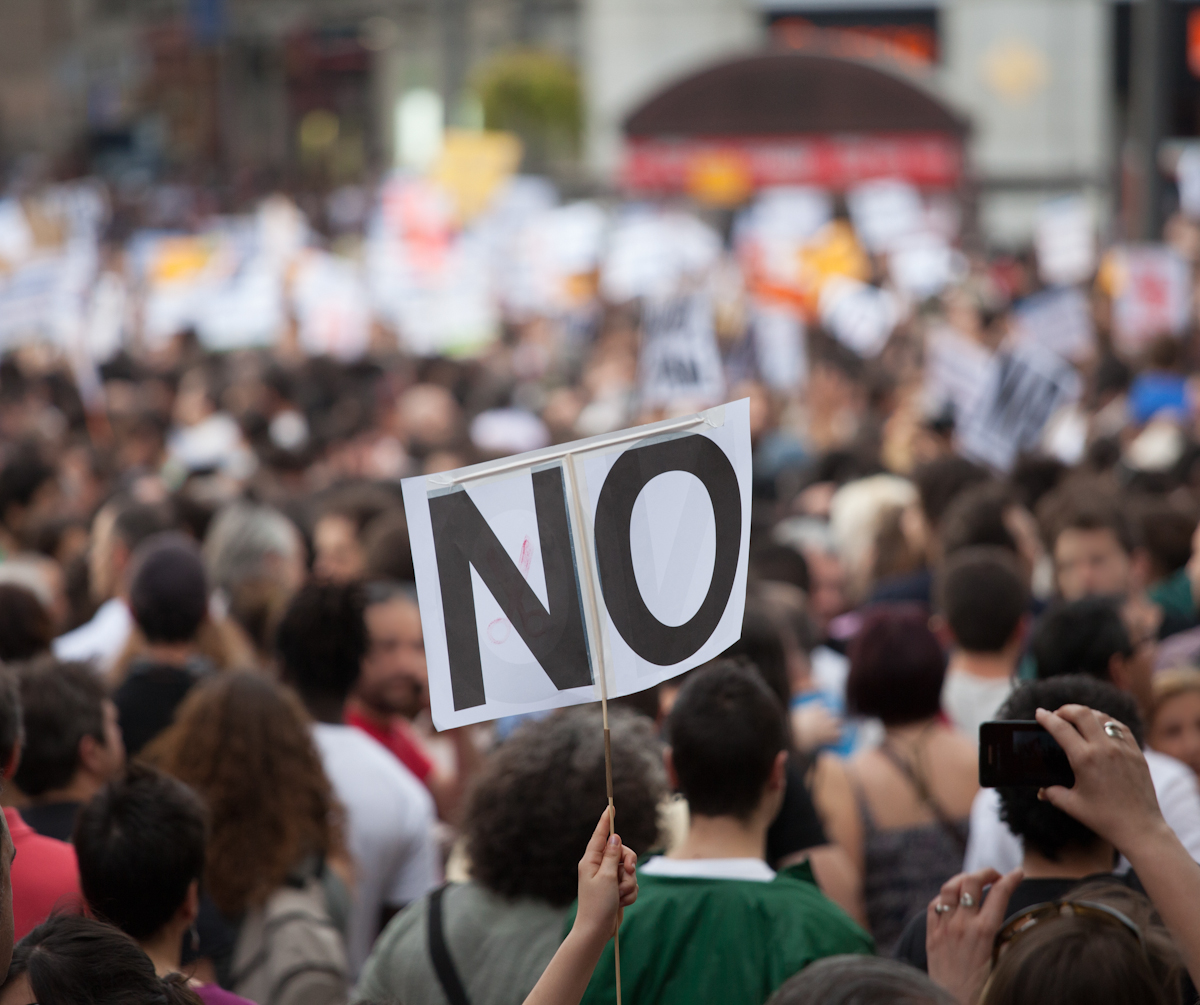
University staff across the UK will walk out for a second day of strike action on Tuesday 3 December, announced trade unions representing university staff.
The three unions, UNISON, Unite and the University and College Union (UCU), that took strike action on Thursday 31 October confirmed their members would walk out again in three weeks’ time and be joined by Scottish education union, the EIS, unless the dispute over pay could be resolved.
Union members are angry at a 1% pay offer, which has seen their pay fall in real-terms by 13%. The squeeze on staff pay comes at a time when pay and benefits for university leaders increased, on average, by more than £5,000 in 2011-12, with the average pay and pensions package for vice-chancellors hitting almost £250,000.
 |
Get our essential weekday HR news and updates.
|

UNISON head of higher education, Jon Richards, said: “Members have had enough. It is a disgrace that universities are sitting on billions of pounds, but are not ready to reward those who make UK universities the best in the world. The 1% pay rise on offer is an insult to the services they deliver especially those staff who are currently paid below the Living Wage. We have the ridiculous situation where a university vice-chancellor can spend £1.5 million on a work of art, but not give decent pay to his own staff. We are calling on employers to get back into talks as a matter of urgency.”
UCU head of higher education, Michael MacNeil, said: “Staff have suffered year-on-year cuts in the value of their pay and have made it clear that enough is enough. We remain committed to trying to resolve this dispute and the employers now have until 3 December to sit down and positively engage with the unions. If they don’t, then our members and those from our sister unions will be out on strike again, as well as continuing to work to contract.”
Unite national officer for education, Mike McCartney, said: “We had a very successful joint union action on 31 October to highlight the five year pay drought that our members have endured which has meant a 13 per cent drop in their incomes since 2008. However, the employers have refused to budge from their hard line in refusing to recognise the contribution that the workforce makes to the excellent global reputation that Britain’s universities currently enjoy. We hope that this latest strike will drive home the determination of our members to achieve a fair pay deal and focus the minds of the employers that they need to get around the table promptly to negotiate in a constructive and positive manner.”
General secretary of the EIS, Larry Flanagan, said: ”Staff in our higher education establishments have simply had enough after years of real-terms decline in salaries and are determined to make a stand in defence of their pay. EIS-ULA lecturer members will stand united with colleagues from our sister academic and support staff unions in the ongoing campaign for fair pay for all workers in our HE institutions. Our members never choose to take industrial action lightly, but now feel that they have no other option in light of the current stance of their employers.”
The first day’s strike, on 31 October, left some campuses deserted. Around the country, lectures were cancelled, libraries shut and deliveries turned away. Services such as cleaning, catering and security were also affected.
The cumulative operating surplus in the higher education sector is now over £1 billion and many higher education institutions have built up cash reserves. Overall staff costs in higher education, as a proportion of income, have fallen from 58% in 2001/02, to 55.5% in 2011/12.


