


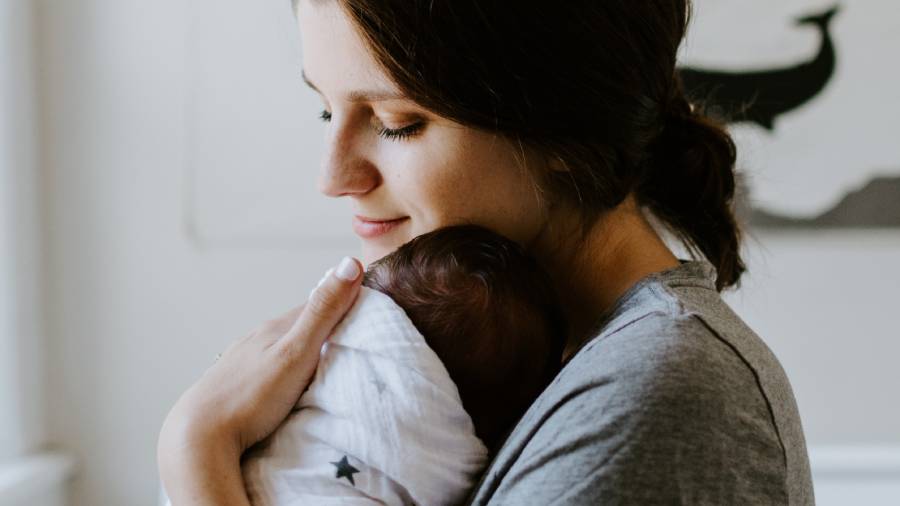

Research highlights the various difficulties that working mothers face when returning back to work after maternity leave. Over a third found it “harder than expected” to return back to work after having a child.
Research by TENA, a brand that provides products for incontinence, outlines the struggles that female employees face when returning from maternity leave.
Over one third (31 per cent) of women stated that they found it “harder than expected” to return after an average of 10 months leave.
Additionally, around one-fifth of working mothers felt that their bosses and colleagues did not understand what they had been through, both mentally and physically.
 |
Get our essential weekday HR news and updates.
|

Almost a quarter of women felt that the work place was “completely different” when they returned – not even accounting for the huge shift caused by COVID-19.
However, the range of emotions felt by working mothers before returning to work varied hugely. Almost a third (27 per cent) felt excited, over half (52 per cent) expressed worry over the return and over a third (37 per cent) confessed that they were dreading returning to work.
Four in 10 working mothers (40 per cent) felt guilt over going into work instead of remaining at home with the new baby.
The research has also analysed how these feelings towards the return to work after maternity leave may have been impacted by COVID-19.
Over a third (31 per cent) of mothers felt that COVID-19 will make it easier for women to return to work. Of those, over half (53 per cent) stated this is because it is now seen as more acceptable – and even, strongly encouraged/enforced – to work from home.
Just under four in 10 mothers viewed bosses as becoming more understanding towards everyone’s individual issues and how this may affect their working lives. Over half felt that bosses have more an insight into the pressures that those with children face.
Kirsty Senior, Director and Co-founder of Citrus HR, a HR consultancy firm which provides software for businesses, offers advice to HR teams on how they can make this process for working mothers run even more smoothly:
Most people who have had time off work have a small sense of anxiety about returning to work, what they might have missed and what they are going to find on their return. We know that this anxiety grows the longer the period of absence, up to 12 months for maternity or adoption leave means that the anxiety levels are already going to be pretty high, not to mention the fact that a new addition to the family changes your outlook on the world.
Returning to work means you now have to juggle work and childcare which is new and places restrictions on your working day that you may not have had before. Then you need to get back up to speed with what has changed in your industry and company whilst you were away. The biggest challenge for working parents is feeling the need to prove themselves- we’re seeing even more evidence of this when people are working remotely.
To help this transition back into the workplace employers should encourage the use of Keeping in Touch days, and ensure that maternity returners are essentially given an induction back into work, a period of time when they can get back up to speed with what is happening. Making them feel comfortable and settled in will reduce their anxiety levels and therefore improve productivity.
*This research was taken from Tena who surveyed 1000 mothers to obtain these results.


Monica Sharma is an English Literature graduate from the University of Warwick. As Editor for HRreview, her particular interests in HR include issues concerning diversity, employment law and wellbeing in the workplace. Alongside this, she has written for student publications in both England and Canada. Monica has also presented her academic work concerning the relationship between legal systems, sexual harassment and racism at a university conference at the University of Western Ontario, Canada.
- Monica Sharma

- Monica Sharma

- Monica Sharma

- Monica Sharma



