



A recent study by Aspire found that 42 percent are calling on the government to raise the National Minimum Wage and the National Living Wage, in light of the cost-of-living crisis.
In addition, 15 percent of these candidates – who work across the marketing, sales, technology and the creative industries – want to see Employers’ National Insurance reduced, to make it more attractive for businesses to employ staff.
The National Minimum Wage and the ‘mini budget’
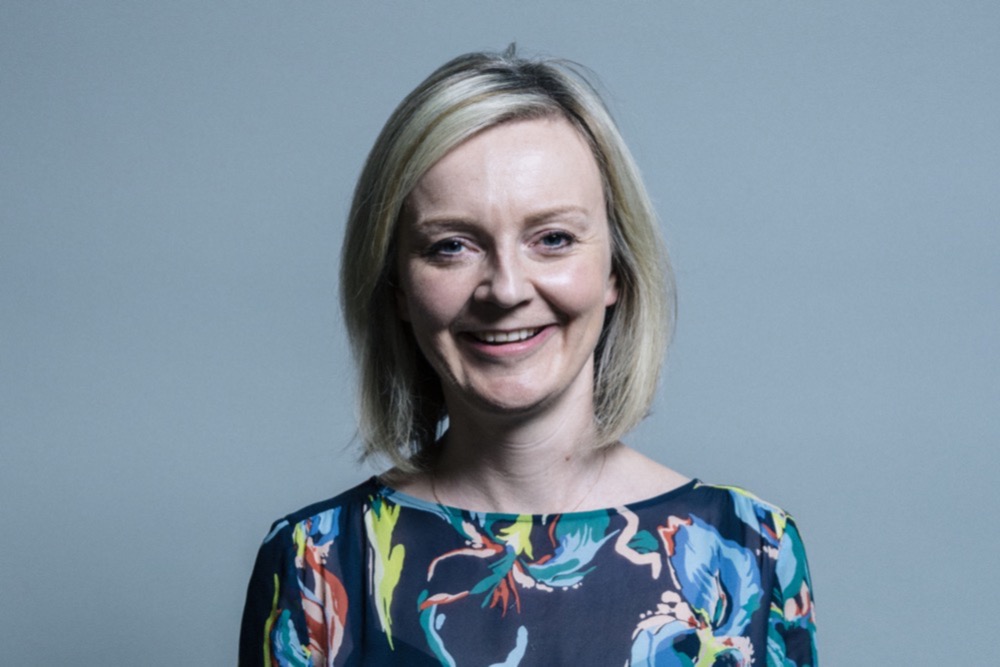
Ahead of the ‘mini Budget’ this Friday, the new Prime Minister, Liz Truss, has been urged by workers to raise the National Minimum Wage.
 |
Get our essential weekday HR news and updates.
|

She has also been urged to raise the National Living Wage, along with cutting Employers’ National Insurance, to protect them from soaring inflation and stimulate growth in the jobs market.
Paul Farrer, chairman and founder of Aspire, commented on the appointment of Mrs Truss as Prime Minister and the Workplace Trends insight: “The new Prime Minister has an opportunity to support workers and stimulate growth in the jobs market as candidates and businesses grapple with the cost of living crisis. Needless to say, a thriving jobs market holds the key to economic growth, and our study offers Liz Truss food for thought in her new job.
“Businesses are facing challenges on several fronts – with inflation and an ongoing skills shortage that’s hampering economic growth – and so it’s essential that the Prime Minister and her government do what they can to create more favourable conditions.
“The range of options include raising the tax threshold to remove more of the lowest paid from tax, increasing the National Minimum and Living Wages – as long as shifting tax thresholds doesn’t negate any rise – and a cut to National Insurance, or a combination of these.
“It’s no surprise people want a pay increase, with inflation rising fast. But businesses also need considerable help to avoid large-scale redundancies and a reversal of our high employment economy. Many businesses are still rebuilding their balance sheets from the pandemic and whilst many will plan for rises in costs, no one would have planned for inflation on this scale. There’s only so much margin a business can absorb before either passing it on or making cuts. Cuts are likely to be people.”


Amelia Brand is the Editor for HRreview, and host of the HR in Review podcast series. With a Master’s degree in Legal and Political Theory, her particular interests within HR include employment law, DE&I, and wellbeing within the workplace. Prior to working with HRreview, Amelia was Sub-Editor of a magazine, and Editor of the Environmental Justice Project at University College London, writing and overseeing articles into UCL’s weekly newsletter. Her previous academic work has focused on philosophy, politics and law, with a special focus on how artificial intelligence will feature in the future.
- Amelia Brand

- Amelia Brand

- Amelia Brand

- Amelia Brand




