


The impact of poor mental health on workplace wellbeing continues to be a significant problem for businesses. Last year’s Government-backed Thriving at Work report estimated that mental ill-health costs employers between £33 billion and £42 billion annually in the UK alone. Whilst initiatives from charities such as Time to Change, Mind, Rethink and the Lord Mayor’s ‘Green Ribbon’ campaign have made huge strides to raise awareness of mental health conditions in the workplace, we still have some way to go before we feel comfortable enough to talk about mental health in the same way as we do physical illness.
Research we conducted last year as part of our ‘Not A Red Card’ campaign revealed that only 4% of employees who have experienced depression, and 5% who have experienced anxiety, feel able to talk to their manager or superior about it. In stark contrast, a huge 78% of employers believed their staff would be able to talk to them about their concerns, highlighting the scale of the issue.
Clearly, the vast difference between employers’ perceptions and the reality of the situation shows there is still much more to be done to banish the taboo and normalise conversations around mental health. Senior leaders and managers need to recognise that they are in a unique position to help by ensuring their workforce has access to the support they need, by creating an open and caring environment.
 |
Get our essential weekday HR news and updates.
|

In 2015 my Mum was diagnosed with terminal cancer. The following two years were a whirlwind of emotions. I was juggling a busy Group HR Director job, three small children, a terminally-ill Mum and the emotions of family and friends. What’s interesting is that my entire job is about providing support to others, yet it didn’t occur to me that I might need that support myself. One day I spoke to someone who told me about her own experiences of bereavement and how difficult she had found it. Through that one conversation I was able to admit to myself (and her) how tough I was finding it. Talking to her gave me permission to seek the help I needed and to not feel the need to be ‘strong’ or hide my emotions. I speak about that personal experience a lot with people at work; more often than not, it creates the space for a very different conversation between us.
The importance of senior leaders bringing mental health to the forefront through open discussion cannot be overstated. By talking openly about mental health and what they do to look after their mental and physical wellbeing, managers can lead by example.
Last year, we held our inaugural ‘Not A Red Card’ forum bringing together business leaders and mental health experts to share their experiences and identify the key challenges to talking about mental health in the workplace. One of the potential barriers identified was a clear lack of role models speaking out about their stories and creating an environment where people feel they can ask for help and support.
At Legal & General, we want to create the right culture which values inclusiveness and embraces difference, where our employees are involved and empowered. The introduction of mental health first aiders is helping to create an open environment where people feel they can bring their whole selves to work. The tone is set from the top.
As a large private sector employer, we are working with City Mental Health Alliance and other members to step up our ‘doing’ as well as our ‘thinking’. This includes increasing our transparency and accountability in internal and external reporting, the implementation of better digital tools, more ‘active listening’ by managers and increased training for employees. We aspire to achieve the ‘enhanced’ status as described in the report and hope others will do the same.
With stress, anxiety and depression being the biggest cause of sickness absence in the UK, now is the time for all businesses to act and put the wellbeing of their staff at the heart of everything they do. Employers must tackle these issues from the top down and champion the need for mental health support services. Taking proactive steps to encourage everyone to talk about mental health we can break down stereotypes, improve professional and personal relationships, aid recovery times and help remove the stigma once and for all.


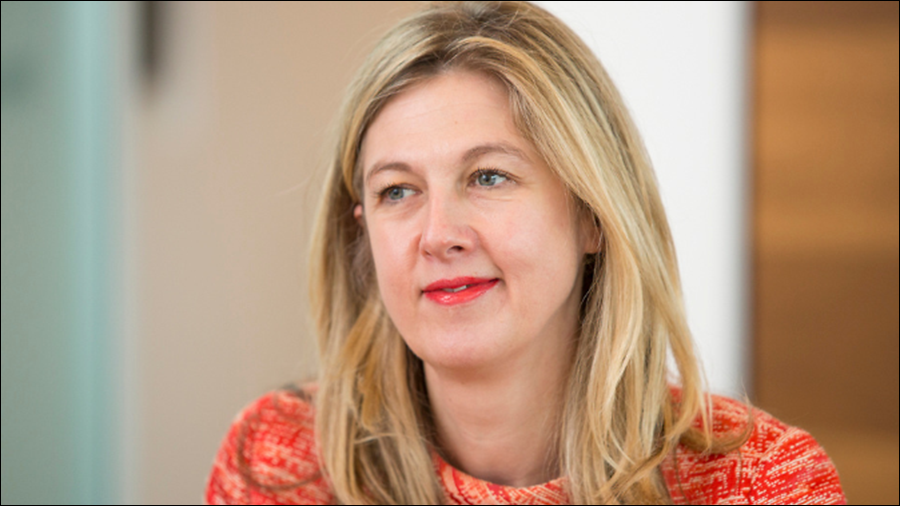
Emma joined Legal & General as Group HR Director in 2017. Emma's previous role was a Global HR Director and Board Director at PA Consulting, co-leading the successful sale of 51% to The Carlyle Group in 2015.
Emma has spent a number of years as Group Head of Talent and Resourcing at BP. Emma has also had roles at Prudential and the Bank of England and was the co-founder of a dot come start-up, Skillvest.com. Emma has significant international experience having worked in Europe, North America, Asia and Africa.


